




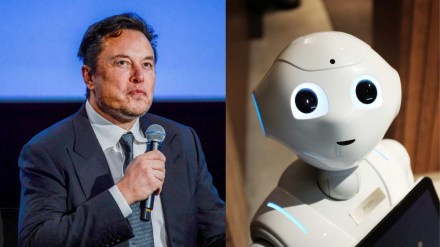
Elon Musk has done it again. In between launching rockets, wiring brains to computers, and arguing with strangers on X at 3 am, the world’s most prolific futurist-in-chief has made yet another promise to civilisation: artificial intelligence (AI) will make work optional.
Let that sink in. In the brave new world, humans won’t work for survival. We’ll work only if we want to. This is excellent news for millions who hate their jobs, but deeply unsettling for managers whose sole purpose in life is “touch base”, “quick calls”, “circling back”, and “synergy”. AI may not just kill jobs—it may kill corporate vocabulary.
Problems with Musk’s promise
AI, Musk assures us, will outperform humans at everything and tomorrow’s “offices” will be populated by machines that don’t demand coffee breaks or emotional validation. Humans, relieved of labour, will finally be free to pursue “meaning”.
The problem, however, is that no one is prepared for a world where nobody has to pretend they are busy. Entire industries are built on the performance of productivity. PowerPoint presentations, strategy offsites, brainstorming sessions that produce no brains and very little storm—all now face extinction.
In the Muskian future, you cannot be “looped in” because nothing needs looping. You cannot “circle back” because there is no circle. You cannot “touch base” because, frankly, the base has been automated. In this so-called brave new world, the real crisis will be boredom without guilt. When no one has to work, laziness no longer feels rebellious; it feels empty. The thrill of procrastination dies when there is nothing to postpone.
Musk’s version of the future feels like an OTT series that has not yet figured out its plot. For a species built around jobs, deadlines, and performance reviews, “optional work” sounds less like heaven and more like an identity crisis in sandals.
How this version of future can challenge set conventions
Marriage will be tested. When both spouses are home all day, indefinitely, “go to work” will no longer be a legal excuse for peace and quiet. Divorce courts will record a new reason for separation: “Exceeded safe dosage of togetherness.” Parents, too, are nervous. Children who once dreamed of becoming engineers and doctors will now announce their career ambitions as “professional sleeper”.
The most distressed group, however, will be alphas and hustlers who drink ambition for breakfast. Without work, how will they humblebrag about being “on the grind”? Work, after all, is not just about money. It’s how people introduce themselves at parties. “What do you do?” is not a financial inquiry; it’s a social GPS.
There’s a small question though: who pays for all this bliss? Musk has suggested a version of universal high income, where AI makes everything so cheap and abundant that money basically becomes emotional luggage. You get it, but you don’t really need it. In theory, this is lovely. In reality, this assumes governments can run a global benevolence engine without converting it into a bureaucratic horror show.
Musk does admit there’s a twist in his fairy tale: when AI becomes better than humans at everything, humans might feel… unnecessary. When the smartest being in the room is a server rack, ego becomes an endangered species.
Of course, there’s a small chance Musk is doing what he does best: overclocking the present into a future that’s 20 years away—or 200. For now, most of us will return to work tomorrow morning, not because we’re passionate about Excel sheets, but because the landlord is not yet impressed by AI.
But if he’s right, one day soon you might wake up, look at your alarm clock, and say four magical words humanity has never meant sincerely before: “I don’t have to.” And then you’ll panic—because you’ve forgotten what you actually want to do.
So do the most human thing possible. Turn over, and go back to sleep.


