


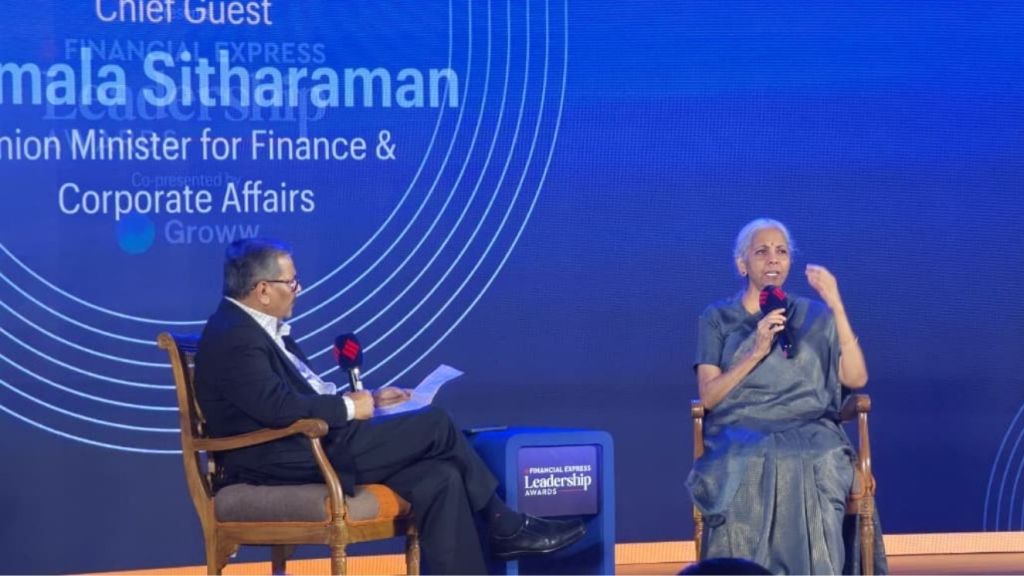

Finance Minister Nirmala Sitharaman’s appeal for an amicable resolution of the Tata Group’s internal differences was both timely and statesmanlike. Speaking at the FE Leadership Awards in Mumbai on Monday, she called the conglomerate a “critical component of the Indian economy” and urged commercial acumen, cordiality, and maturity from its leadership. Just as importantly, she resisted the temptation to prescribe government intervention. The responsibility for ending this damaging confrontation rests, first and foremost, with those entrusted with the institution. The stakes extend well beyond a boardroom quarrel. The challenge is especially acute because these projects demand patient capital, consistent strategic direction, and confidence among partners who must make commitments stretching across several years. At a moment when India is seeking greater industrial depth and technological self-reliance, the Tatas have placed ambitious bets on semiconductors, electronics manufacturing, electric mobility, and aviation. These investments matter not only to the group’s future but also to the country’s manufacturing capabilities, supply chains, and employment prospects. Prolonged uncertainty within one of India’s most consequential business houses risks distracting attention from precisely the enterprise and execution the economy needs.
That contrast was evident at the same awards function. JSW’s Parth Jindal spoke of plans to invest more than $50 billion over the next five years, reflecting confidence in India’s growth prospects. Nykaa’s Adwaita Nayar located her company’s journey in the larger Indian consumption story. Their optimism illustrates the appetite for investment, innovation, and expansion that India must nurture. The Tata dispute, by comparison, is an unfortunate reminder of how internal discord can overshadow the ambitions of even the most established enterprises. Sitharaman also acknowledged the Parsi community’s extraordinary role in building the Tata Group into a global conglomerate. That recognition carries particular weight now. For generations, the Tata name has stood for philanthropy, ethical conduct, institution-building, and a commitment to national development. Its reputation was painstakingly earned and cannot be treated as an incidental casualty of competing claims to authority. Those who hold positions of stewardship have obligations larger than their personal interests or immediate victories.
The disagreements are not trivial. Questions surrounding the proposed listing of Tata Sons, the powers of Tata Trusts, boardroom decisions, and the governance of charitable trusts deserve serious consideration. Regulatory requirements, including those of the Reserve Bank of India, and shareholder rights cannot simply be wished away. Yet legitimate differences should be addressed through established governance processes, not through an escalating exchange of allegations and counter-allegations. Too much dirty linen has already been washed in public, at considerable cost to the group’s standing at this juncture. The finance minister’s restraint is also a useful answer to attempts to politicise the affair, including Congress leader Rahul Gandhi’s suggestion that the government has ruined the Tatas. Corporate leaders must be accountable for corporate decisions. Government has a duty to uphold the regulatory framework, not to referee every internal power struggle or become a convenient scapegoat for it.
With another important Tata Sons board meeting approaching, the rival camps have an opportunity to demonstrate the maturity Sitharaman has requested. Compromise need not mean surrendering principle; it means finding a lawful, workable settlement that protects the institution. India needs private enterprise confident enough to invest for the long term, and institutions stable enough to deliver on those commitments. The Tatas owe their employees, shareholders, and the country nothing less than a resolution worthy of their legacy.