



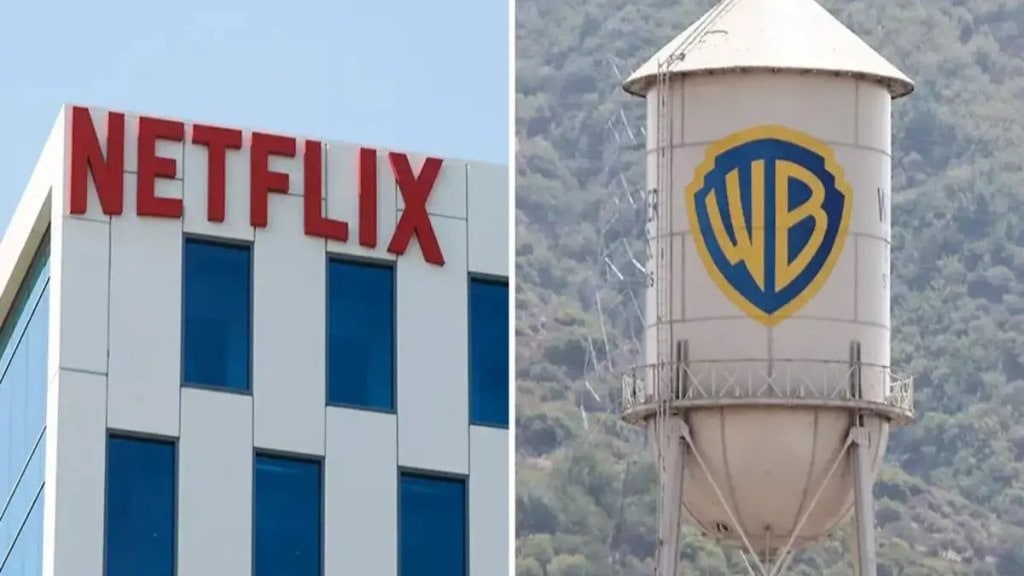
It’s a string of claptrap dialogues that fall flat without a credible plot. The multiplex industry’s concerns about Netflix’s potential acquisition of Warner Bros are precisely that. The summary of the argument is that the deal—which Paramount attempted to thwart by launching a hostile bid for Warner Bros. on Monday—is an unprecedented threat to the exhibition business as Netflix’s business model does not support theatrical exhibition.
The Multiplex Association of India has also slammed the deal as it could lead to cinema closures and job losses as Netflix has time and again made it clear that it doesn’t believe in cinemas and their business model. Some of the concerns are justified, no doubt. Warner Bros. is the biggest winner of 2025 so far at the box office and owns some of the timeless Hollywood classics.
What’s the main concern?
The main concern obviously is the question of the “window”—the period of exclusivity physical theatres get to show a film before it heads to home entertainment formats—and it’s significant that Netflix moved quickly to reassure cinemas that Warner Bros.’ current slate of films will still be released on the big screen. But Netflix did say the window would “evolve” and it doesn’t take much reading of the runes to realise that will mean any film will be yanked out of cinemas onto streaming platforms as soon as it has served its purpose.
But instead of opposing the merger, multiplexes should ask moviemakers and content producers why they are failing to come up with good indigenous content that can motivate people to go to the theatres. In an ecosystem drowning in platforms, subscriptions, and algorithms, what ultimately commands attention is not technology but storytelling.
The obsession with algorithms over authors, data over drama, has begun to show. Viewers may experiment with platforms, but they stay for shows. Loyalty is built not on user interfaces but on unforgettable characters and stories that resonate. The crisis gripping India’s box office is not because audiences have stopped loving cinema—but because too many films have stopped respecting their time and money.
Blaming changing consumer behaviour or the rise of over-the-top platforms is convenient. The truth is far more uncomfortable: the industry’s current slump is largely of its own making. For years, filmmakers have confused scale for storytelling. Bloated budgets, lavish sets, and visual effects are being used to camouflage weak scripts and thin characters.
Struggling with an unstable binary
In the race to create “event films”, the industry has hollowed out its middle—the modestly budgeted, well-written dramas, comedies, and thrillers that once formed the backbone of Indian cinema. What remains is an unsustainable binary: either a mega-budget spectacle or a tiny digital-first release. Both extremes are fragile.
The deeper irony is that the same multiplex chains railing against Netflix have happily reduced screen space for smaller Indian films in favour of a handful of “event” releases. In struggling to extract maximum revenue from a narrow slate of tentpole movies, they have undermined diversity and narrowed choice.
That has done far more damage to footfalls than any foreign streaming deal. The truth is uncomfortable: multiplex footfalls are under stress because moviegoing has become too expensive for middle-class families. Ticket prices, parking, snacks—everything conspires to make cinema a luxury instead of a leisure habit.
If multiplexes want to protect their future, they should start looking at home. Their crisis is not Netflix. It is affordability, accessibility, and relevance. No international merger can fix that—or worsen it.