


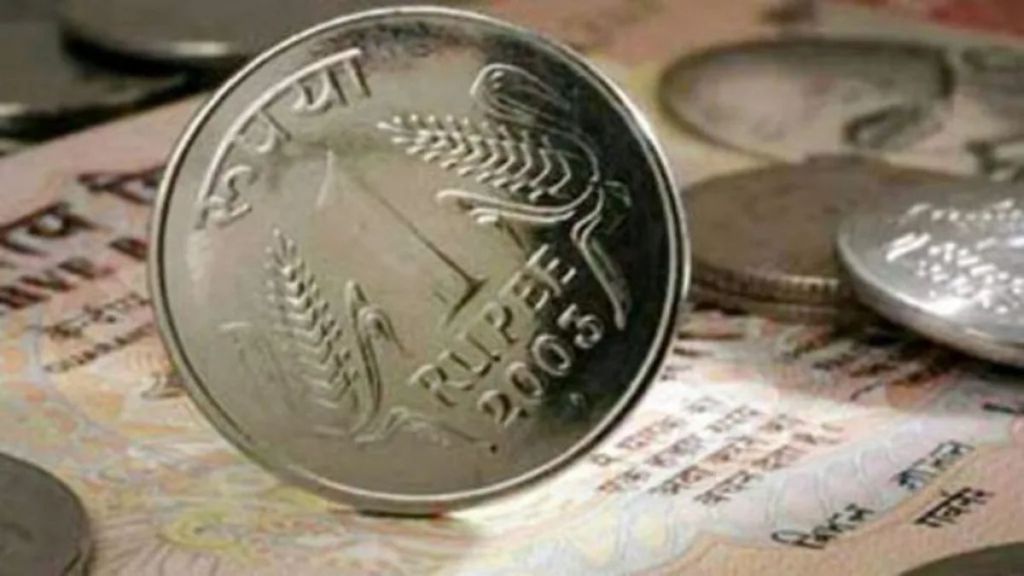

Unable to arrest the rupee‘s depreciation through currency-market interventions, the Reserve Bank of India (RBI) has moved to curb dollar demand and speculation. It has tightened rules governing foreign exchange derivatives: contracts cannot be cancelled and rebooked, positions exceeding $5 million must have an underlying exposure, and banks must set aside 20% of the value of contracts exceeding $2 million in cash. Banks must also ensure that the same exposure is not hedged through multiple dealers. Together with a special dollar window for state-owned oil marketing companies, these constitute perhaps the strongest defence of the currency since 2013. Despite its assertions that it does not defend the rupee at any particular level, the RBI’s latest moves suggest that a sharp depreciation is unacceptable. The dollar’s approach towards `97 appears to have prompted the intervention, making that level a possible line in the sand.
At last Wednesday’s post-monetary policy press conference, RBI Governor Sanjay Malhotra maintained that the rupee was not overvalued, citing the real effective exchange rate, and observed that markets could be “irrational” in the short run. However, the central bank’s efforts to stem the slide have been undermined by rising US Treasury yields, elevated oil prices, and foreign portfolio outflows. The rupee’s fall to 96.73 against the dollar last Friday, close to its record low of 96.82, appears to have triggered the latest measures. The over 40% surge in Brent crude since the start of the Iran war, accompanied by a roughly 5% depreciation of the rupee, has compounded India’s external vulnerabilities. A weaker currency raises the import bill and fuels inflation, particularly with crude above $100 a barrel and uncertainty over Russian oil supplies. This could force the RBI to tighten monetary policy more aggressively, eventually hurting credit growth.
The restrictions should deter speculation and make it harder to circumvent hedging rules. Importers will face tighter requirements for hedging current-account exposures, although the restrictions do not apply to foreign portfolio investors. Hedging costs, estimated to rise by 80-150 basis points from the prevailing 3.5%, should discourage excessive derivative positions. The special dollar window for oil marketing companies should also reduce demand in the spot market. Earlier this year, the RBI capped banks’ daily net open rupee positions at $100 million and restricted their participation in rupee non-deliverable forwards. Clearly, with the global environment turning adverse, the central bank is unwilling to risk another disorderly depreciation. Although foreign currency reserves have reportedly been bolstered by $142 billion in foreign currency non-resident (bank) deposits and foreign currency borrowings, sustained dollar sales could quickly erode these buffers without necessarily reversing the rupee’s trajectory.
The rupee sprang back to an intra-day high of 95.77 against the dollar on Monday, suggesting the measures have had the desired immediate impact. But administrative restrictions and market interventions can only buy time. Elevated oil prices, a strong dollar and persistent capital outflows will continue to weigh on the currency.Unless the global environment improves and India’s trade deficit narrows, the rupee will remain vulnerable to renewed selling. Some fiscal measures, including higher retail fuel prices to contain demand, may become necessary. Further monetary tightening to anchor inflation expectations and measures to attract durable capital inflows may also be required. The RBI has demonstrated its determination to prevent a sharp slide in the rupee. Sustaining that defence, however, will depend as much on developments beyond India’s borders as on its own policy actions.