


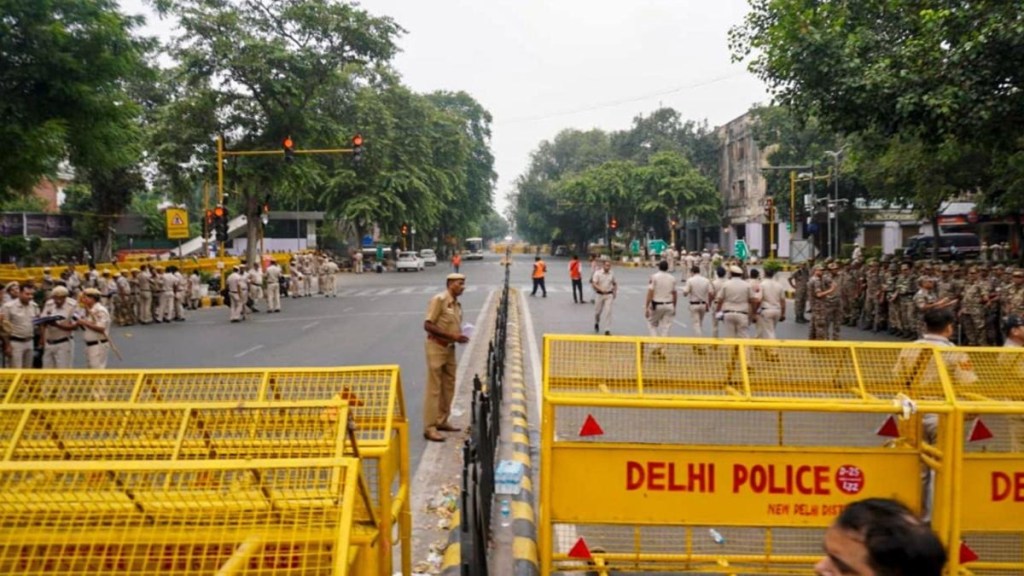

Delhi’s barricades will eventually come down, but the anger that brought young Indians onto the streets will not disappear with the security cordons. The weekend’s extraordinary clampdown may have prevented another agitation, but virtually sealing off the national capital in anticipation of protests was an overreaction. That it took the Supreme Court to restore some semblance of normalcy reflects poorly on the executive.
A government confident of its authority should not require judicial intervention to recognise citizens’ right to peaceful protest. Security concerns are legitimate, but they cannot become a blanket justification for restricting movement and dissent. The administration could have designated protest spaces, engaged representatives, and addressed grievances before confrontation became inevitable. Dialogue is not capitulation; it is democratic governance. Treating youthful discontent primarily as a law-and-order problem risks deepening the alienation the government seeks to contain.
What should concern the government most is the character of these protests. They are not primarily ideological battles but challenges to the fairness of systems ordinary Indians depend on. First came NEET and questions about the integrity of competitive examinations, on which millions of families stake their savings and hopes. Now the Special Intensive Revision of electoral rolls has generated anxiety over missing names, documentation, and bureaucratic errors affecting the right to vote. The underlying demand remains fairness, transparency, and accountability.
Prime Minister Narendra Modi has repeatedly talked about placing young India’s aspirations at the heart of his development narrative. But that promise has taken a few knocks. The least the government can do is give young Indians a fair hearing and recognise that their right to question institutions is an essential part of democracy, not a threat to it. A strong government is measured not by its ability to suppress dissent but by its willingness to address the grievances behind it.
Introspection, however, cannot be the government’s burden alone. The opposition has been quick to embrace the protests, with the INDIA bloc finding renewed unity on the streets following the arrests of its leaders. Yet demanding resignations is not a programme, and opposing the Bharatiya Janata Party is not a vision. The bloc remains uncertain about its membership, leadership, and common agenda.
Parties participate in protests while distancing themselves from the alliance. Even within Parliament, a coherent alternative remains elusive. An opposition defined chiefly by hostility to the ruling party cannot expect young voters to mistake indignation for political imagination. Young protesters are asking what a fairer system would look like. They deserve concrete proposals on examination reform, institutional accountability, and electoral safeguards, not merely another round of political point-scoring.
It is telling that the clearest energy has emerged not from established party organisations but from the youth who have channelled scattered anger over NEET into demands for education reform and stood firm under pressure. Its emergence underlines the hunger for fresh political thinking. But protest leaders, too, carry responsibilities: keeping demonstrations peaceful, respecting other citizens’ rights, and translating slogans into workable proposals.
Street mobilisation can force attention; sustained reform requires organisation, negotiation, and credible solutions. The next three years, leading to the general election, will test all sides. The government must demonstrate that strength includes restraint and responsiveness. The opposition must offer a persuasive alternative rather than merely capitalise on discontent. And young Indians must see that democratic institutions can correct failures without confrontation becoming the default. India requires dialogue, accountability, and credible answers.