




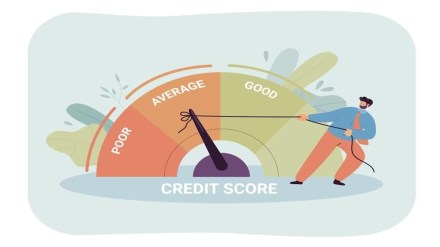
A credit score is a three-digit number that reflects your creditworthiness. Your credit score is determined based on various factors like your loan repayment history, credit limit used, and also how long you have been using credit. A higher credit score facilitates getting loans and credit cards approved easily by banks and non-bank lenders. A good credit score also boosts your bargaining power when you deal with bankers for lower loan interest rates. With a good credit score, you also get higher credit limits on credit cards.
When it comes to building a good credit score, it is said that you “pay on time” and your credit score will improve. But, though it is crucial to pay on time, several other factors come into play. There could be some hidden factors quietly impacting your credit score, even if you are clearing your dues on time. Before moving ahead, we should also know who issues credit scores in India.
Who issues credit scores?
India’s credit ecosystem consists of four primary credit bureaus: Experian, TransUnion CIBIL, Equifax, and CRIF High Mark.
Are CIBIL and credit scores the same?
The term ‘CIBIL Score’ is mistakenly used interchangeably with ‘credit score,’ which can be misleading. TransUnion CIBIL is just one of the licensed credit bureaus in India, and using the term ‘CIBIL Score’ may inadvertently imply that credit scores are provided exclusively by this single entity.
Coming back to the main point—what impacts your credit score the most—several lesser-known factors are often overlooked. Understanding these can help you improve your credit score and achieve your financial goals more quickly.
Also read: How being a loan guarantor can affect your finances and credit
Why balancing secured and unsecured loans matters
One important factor that affects your credit score is your credit mix, which is the balance between secured and unsecured loans. Having too many unsecured loans, like credit cards, can be seen as risky by lenders. However, if you have a good mix of different types of credit, that boosts your score. A balanced credit mix shows you are a responsible borrower.
Credit utilisation ratio
The next important factor that can impact your credit score is your credit utilisation. It is the ratio of your credit card balances to your credit limits. Ideally, it is advised that one should keep their credit utilisation below 30-40%. High credit utilisation shows you are credit-hungry, impacting your credit health. Another risk is that you might end up paying only the minimum amount due on your credit card each month, accruing more interest charges without settling the bills entirely.
Errors on your credit report: Why regular checks are essential
Errors on your credit report can seriously impact your score. For example, a late payment that wasn’t late or an account that isn’t yours can unfairly lower your score. It’s important to regularly check your credit report and dispute any inaccuracies to make sure your score truly reflects your creditworthiness.
High number of credit inquiries
One mistake people commit often is that when they need a loan, the applications are forwarded to multiple banks, resulting in too many credit enquiries. Remember, each time you apply for credit, whether it’s a loan or a credit card, the lender will check your credit report, resulting in a hard inquiry. A high number of such credit enquiries within a short period can hit your credit health and make it harder for you to get a loan approved in the future.
Identity theft and its lasting impact on your credit score
One should be mindful of the fact that they can also become a victim of identity theft, and it can seriously damage their credit score. When someone uses your personal information to open accounts or make purchases without your knowledge, it can harm your credit history. Even though it’s not your fault, the effects can be long-lasting.
Summing up
To optimize your credit score, it is essential to look beyond timely payments. By understanding and managing hidden factors like credit mix, utilisation, and reporting errors, you can maintain a good credit score.


