


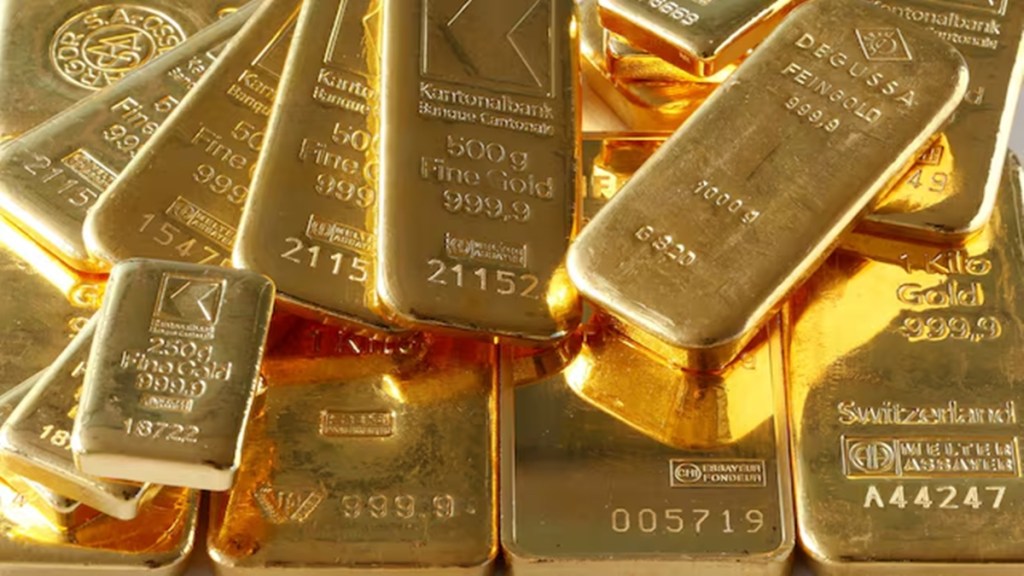

Can gold win back its lost glory and hit fresh highs this year? The gold price in India had surged to a high of Rs 1,76,306 per 10 grams, but it now trades nearly 20% lower than the peak.
In the Indian markets, the spot gold price closed at Rs 1,42,253 per 10 grams on Wednesday, still nearly Rs 34,000 lower than the peak January price. On Thursday, gold futures opened flat at Rs 1,43,377 per ten grams, down only by 0.23%.
For gold in Indian rupees to reclaim the peak price of Rs 1.76 lakh per 10 grams, the price has to jump by nearly 24% from current levels. Is that even possible?
Can gold break free from the headwinds?
With strong headwinds in play, a record run may not be on the cards, at least in the near term. That could, however, change if the forces pulling prices lower start to weaken.
Currently, safe-haven buying, both from central banks and global ETF investors, gives the metal support. Elevated US interest rates, on the other hand, are working against it.
But here’s the silver lining. Gold is largely holding its ground. The US Fed’s call to keep rates unchanged, announced by Chair Kevin Warsh, left the metal with little reason to move sharply either way.
The rate hike scenario looks imminent in December. Still, the $4,000 level in the international market continues to find support from the easing of oil prices and bond yields.
Gold prices in India (per 10 grams)
| Metric | Figure |
| 29 January peak | Rs 1,76,306 |
| MCX Spot gold price (October 28) | Rs 1,42,253 |
| Fall from peak | Nearly Rs 34,000 |
| Fall from peak | Nearly 20% |
| Jump needed to reclaim peak | Nearly 24% |
Source: MCX India
What the Fed said, and what it left unsaid
Indian gold follows the global price closely. Four forces shape it: inflation, interest rates, bond yields and the dollar. The yield on the US 10-year Treasury fell just below 5% on Thursday, continuing its downward trend. The Federal Reserve, as was generally anticipated, left interest rates unchanged but gave little direction on its next course of action.
Fed Chair Kevin Warsh also proposed that the central bank cut the number of interest rate decisions from eight to six annually. This could make markets more volatile.
Meanwhile, two officials dissented in support of raising interest rates by 25 basis points. That raises the prospect of an increase in December, as energy-driven inflation remains persistent. Investors are now waiting for the US PCE price index, the Fed’s preferred inflation gauge, for more signals on the future course of monetary policy.
Who gains and who loses when gold moves?
Higher prices cut both ways. Jewellery demand tends to cool, while investors see the value of their gold go up. Demand for jewellery remains despite prices being 20% lower from peak levels, with buyers shifting towards 14 to 18 carat gold options. Investors who entered the gold bull run late, particularly after prices crossed Rs 1.5 lakh, are sitting on losses and waiting for a recovery.
What should investors keep an eye on?
A favourable climate for gold accumulation may arise from lower real interest rates, softer US inflation and geopolitical concerns. Conversely, high inflation and a strong dollar could prolong market consolidation or put further pressure on prices.
A sustainable bullish trend will be confirmed only if upcoming economic releases strengthen the case for lower real interest rates while preserving confidence in the broader financial system. Till then, physical buyers of jewellery may find prices conducive for purchases.
Disclaimer: This article is for informational purposes only. It is not investment or financial advice. Gold prices are volatile and individual situations differ. Readers should consult a registered financial advisor before making investment decisions.