


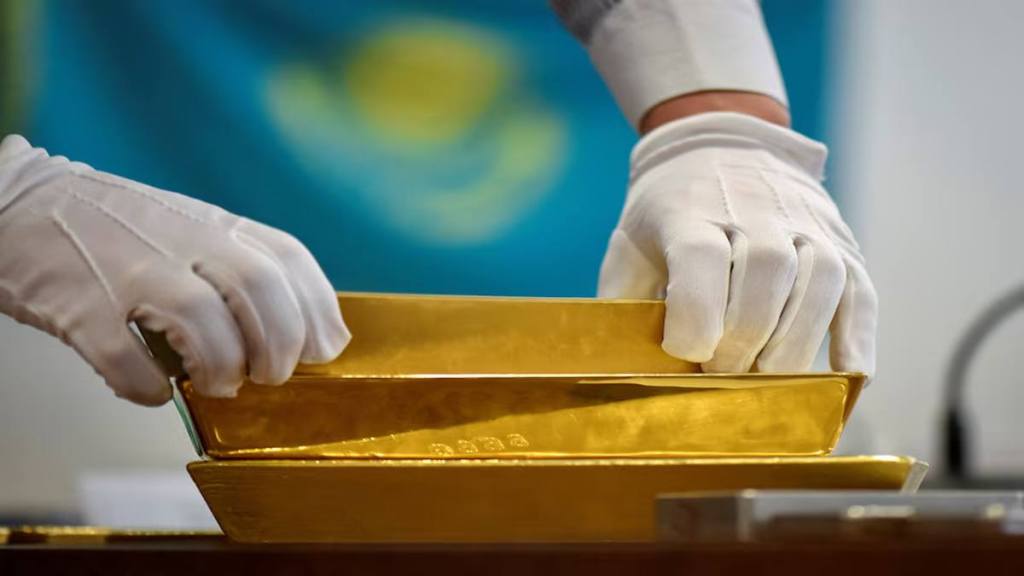

Central banks added 23 tonnes of gold to their reserves in July, keeping up a buying streak that has now run for most of 2026. China and Poland did the heavy lifting this month, while Russia turned seller for the first time in a while.
According to the latest World Gold Council data, the People’s Bank of China (PBoC) bought 20 tonnes in July, its 21st straight month of purchases. That takes China’s gold reserves to around 2,366 tonnes, or 8% of its total reserves, making it the sixth largest reported gold holder in the world. On a year-to-date basis, China has added 60 tonnes, second only to Poland.
The National Bank of Poland bought 8 tonnes in July and remains the biggest buyer of 2026 so far, with 90 tonnes added year-to-date. Poland now holds 640 tonnes of gold, nearly 28% of its total reserves, and is closing in on its stated target of 700 tonnes.
On the other side, Russia was the top seller in July, offloading 6 tonnes. Turkey, Jordan and Uzbekistan each sold 1 tonne.
RBI Gold Holdings
At the end of 2025, the RBI’s total gold holdings reached 880.3 tons. As of March 31, 2026, the RBI’s gold holdings stood at 880.52 tonnes. The RBI drastically reduced its gold purchases from 72.6 tons in 2024 to 4.02 tons in 2025.
Why Are Central Banks Accumulating Gold?
The short answer is diversification. The bigger point is the emerging geopolitical tensions and the rising deficits of several governments. Russia’s 2022 invasion of Ukraine, alongside escalating geopolitical tensions with Israel, China, and Taiwan, prompted central banks to significantly increase their gold reserves.
Central banks have spent the past few years reducing their reliance on any single currency or bond market, and gold, with no counterparty risk and no dependence on any one government’s balance sheet, fits that need.
The examples from July make the point. Uzbekistan’s central bank governor, Timur Ishmetov, has been engaging with American money managers and said gold “has turned out to be the best investment so far,” even as the bank weighs selling some holdings at favourable prices.
The Bank of Namibia has set a target to raise gold’s share of its reserves from 1% to 3% by March 2027. And the Bank of Korea made its first official gold allocation in 13 years this month, worth roughly US$250 million, or about 2 tonnes, through gold-backed ETFs, with plans to also buy domestically refined gold to hedge against inflation and geopolitical risk.
How July 2026 Buying Compares To Last Year
Central banks have bought around 130 tonnes of gold on a year-to-date basis through July 2026. That is well below the roughly 160 tonnes bought over the same seven months of 2025, suggesting the overall pace of official buying has cooled even though individual buyers like Poland and China are still adding at a steady clip.
Central banks bought 51t of gold in June, with Poland and China continuing to lead gold accumulation. As of H1 2026, reported central bank buying reached 102t, with purchases spread across a broad cohort of emerging market central banks, according to recent data from the World Gold Council.
The Year’s Winners And Losers In Gold
Poland leads the year-to-date table with 90 tonnes bought, followed by China at 60 tonnes. The National Bank of Kazakhstan has added 29 tonnes so far in 2026, putting it among the top five accumulators globally, with gold now making up 75% of its reserves.
Uzbekistan’s net purchases stand at 40 tonnes year-to-date despite its July sale, while the Czech National Bank, now in its 41st consecutive month of buying, has added 12 tonnes this year, taking its holdings to 84 tonnes, or 6% of total reserves.
Bank Negara Malaysia and the Central Bank of Bolivia, both relatively new entrants to the gold market, have added 6 tonnes and 2 tonnes respectively.
On the selling side, Russia has offloaded 50 tonnes year-to-date, bringing its total holdings down to 2,277 tonnes, while Turkey has sold 85 tonnes so far this year.
Gold Is More Than Treasury Bonds In Bank Holdings
Consistent gold purchases by central banks are altering the balance sheet landscape. According to a European Central Bank report on the international role of the euro, gold accounted for 27% of global official reserves at the end of 2025, up from 20% a year earlier.
US Treasuries, by comparison, slipped to 22% from 25% over the same period, meaning gold overtook Treasuries as the largest single reserve asset for the first time since the mid-1990s.
That shift explains why individual monthly numbers, even a relatively modest 23 tonnes in July, matter less than the direction of the gold-buying pattern. Central banks are actively restructuring their foreign exchange reserve management, prioritizing gold over traditional bond markets for value storage.
Disclaimer: This article is for general informational purposes only and does not constitute investment, financial, or trading advice. Data as of 31 July 2026. Source: IMF, respective central banks, World Gold Council; European Central Bank. Gold prices are subject to significant market volatility driven by geopolitical and macroeconomic factors. Past performance is not indicative of future returns. Readers are strongly advised to consult a registered investment advisor or qualified financial professional before making any gold-related investment decisions.