


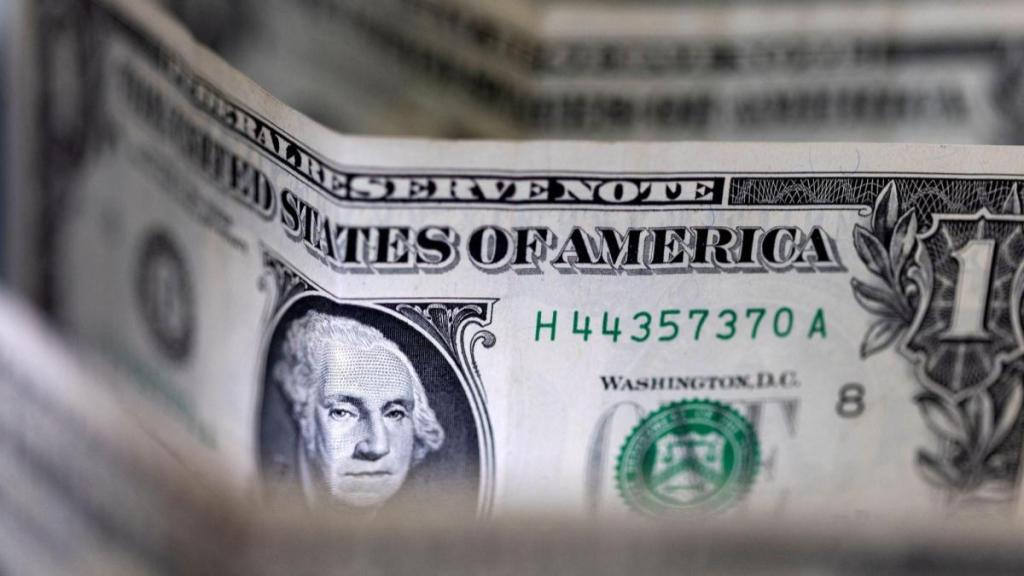

US Treasury yields fell sharply on Thursday as investors moved towards safer investments amid a steep sell-off in stocks. Concerns over heavy spending on artificial intelligence (AI) infrastructure, rising oil prices and growing tensions in the Middle East pushed investors towards government bonds.
The yield on the benchmark 10-year US Treasury note, which influences borrowing costs for mortgages, auto loans and credit card debt, fell more than 17 basis points to 4.972%, according to CNBC. It dropped below 5% for the first time since September 23 and recorded its biggest single-day fall since March 10, 2023.
The yield on the two-year Treasury note, which closely follows expectations for Federal Reserve interest rate policy, fell more than 16 basis points to 4.659%.
The 30-year Treasury yield, sensitive to long-term inflation concerns and geopolitical developments, dropped more than 14 basis points to 5.296%.
One basis point is equal to 0.01 percentage point. Bond prices and yields move in opposite directions, meaning yields fall when bond prices rise.
Nasdaq leads market losses as fresh AI worries hit tech stocks
US technology stocks led losses on Thursday as fresh concerns over artificial intelligence (AI) spending and company earnings weighed on global markets. Several major names in the AI trade fell, including SpaceX, chipmakers Nvidia and Intel, and data centre provider CoreWeave.
The latest fall in stocks comes after a technology-led rally in the US market that had continued without an obvious trigger, according to investors.
One possible reason for the renewed concerns was another rise in oil prices. The increase followed fresh strikes on Saudi Arabia and reports of US-Israeli plans for possible renewed attacks on Iran.
Meta Platforms came under pressure after its latest update disappointed investors.
The company’s free cash flow turned negative for the first time since it became a publicly traded company, raising concerns about its spending and cash position. Meta shares fell more than 6%.
Tesla shares also edged lower after the electric vehicle maker said limited battery availability was affecting its car production.
The company also cut its capital expenditure guidance for the year. Capital expenditure, or capex, refers to money spent on long-term assets and infrastructure, including factories and equipment.
Treasury yields reverse course after hitting multi-decade highs
The latest rise in Treasury prices marks a sharp change from earlier this month, when the 10-year and 30-year yields climbed to their highest levels in more than two decades.
Investors had been concerned about persistent inflation and high energy prices, which raised questions about how much further borrowing costs could rise.
However, sentiment began to change when Treasury yields crossed 5%. At those levels, bonds started to look attractive to investors because they offered higher returns, even with the risk that inflation could remain above 3%.
The latest fall in yields suggests investors are now weighing those returns against growing concerns about the stock market, geopolitical risks and the economic impact of higher oil prices.
Rising oil prices add to market concerns
Tensions in the Middle East added to the cautious mood in financial markets on Thursday, sending oil prices higher.
US West Texas Intermediate crude futures settled 2.39% higher at $99.47 a barrel. Brent crude, the global oil price benchmark, jumped 4% to $113.17 a barrel.
The rise in oil prices followed a report by The New York Times on Wednesday, citing unnamed US officials, that the United States and Israel were considering resuming strikes on Iran in a “short but intensive” operation after the November 3 midterm elections.
The possibility of renewed military action added to concerns about energy supplies and the risk of a further increase in oil prices.
Rising oil prices could also make the Federal Reserve’s job more difficult as it decides how to manage inflation and interest rates.
Higher energy costs can push up prices for households and businesses, leaving consumers with less money to spend on other goods and services.