


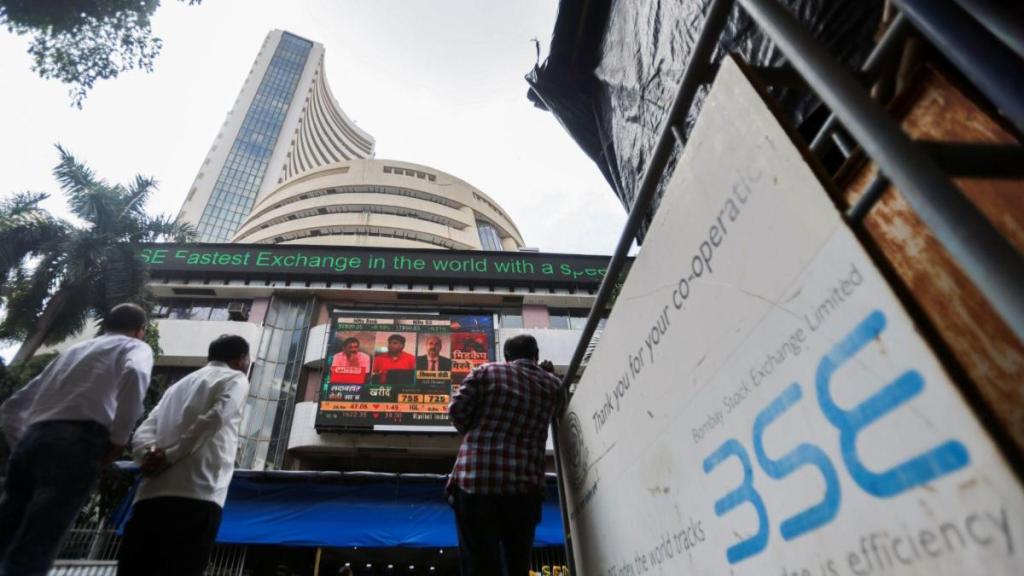

Foreign portfolio investors have withdrawn Rs 48,056 crore from Indian equities in October so far. With this, their net outflows for 2026 has reached Rs 3.08 lakh crore, even as selling eased in the latest week.
Elevated crude oil prices, tensions in West Asia and concerns over corporate earnings have weighed on foreign investment, PTI reported. However, FPIs turned net buyers on two days in the week ended October 23, offering some relief to the market.
The October withdrawals follow September’s Rs 35,861-crore outflow. FPIs had invested Rs 20,200 crore in July and Rs 29,631 crore in August, according to Central Depository Services (India) Ltd (CDSL) data cited by PTI. This year’s cumulative withdrawals have already exceeded the Rs 1.66 lakh crore recorded for all of 2025. October’s withdrawals are already about 34% higher than September’s full-month total.
Selling slows as yields ease
VK Vijayakumar, chief investment strategist at Geojit Investments, attributed the moderation in selling to softer US bond yields, a stronger rupee and more attractive valuations, particularly among large-cap stocks. The US 10-year bond yield had eased from 5.36% to around 5%, while the rupee appreciated to 94.94 against the dollar, he said.
The improvement offers a reprieve after sustained foreign selling, although two days of net buying do not establish a lasting reversal in investment flows.
Crude prices cloud earnings outlook
Dheeraj Gaur, chief investment strategy officer at Choice Wealth, said crude prices of around $114 a barrel, weak corporate earnings, inflation worries and uncertainty over domestic liquidity had driven the withdrawals, PTI reported.
He also pointed to the Rs 30,213-crore Jio Platforms initial public offering, which temporarily absorbed liquidity, and global portfolio reallocations as factors adding to pressure on equities.
Anand K Rathi, co-founder of MIRA Money, highlighted the risk that persistently expensive oil could weaken future earnings. While second-quarter results had been relatively strong, higher oil and logistics costs could weigh on profit growth in subsequent quarters, he said, according to PTI.
Elevated US interest rates have also kept American assets attractive to investors, Rathi added.
Domestic inflows provide support
Steady investments by domestic institutional investors and contributions through systematic investment plans have helped absorb the impact of foreign selling, Rathi said, according to PTI.
Vedant Gupte, co-founder and chief executive of investment platform Trackk, said the withdrawals appeared less alarming when viewed against foreign ownership already being at multi-year lows and domestic investors holding a larger market share.
According to PTI, Gupte said continuing foreign participation in IPOs suggested some selling could reflect a shift out of existing holdings rather than a broader loss of confidence in India.
Debt investments remain mixed
Foreign investors also remained net sellers in the debt market during October so far, although flows differed across investment routes.
They withdrew Rs 3,858 crore through the Fully Accessible Route and Rs 1,332 crore through the Voluntary Retention Route, while investing Rs 3,737 crore through the general route, PTI reported.
Together, these flows translate into net withdrawals of Rs 1,453 crore across the three routes.
Central bank decisions in focus
Investors will watch policy decisions from the US Federal Reserve’s Federal Open Market Committee and the Bank of Japan, Pabitro Mukherjee, deputy vice-president for research at Bajaj Broking, said, according to PTI.
US gross domestic product data will also be important, he said. Brent crude prices, developments in the US-Iran and Russia-Ukraine conflicts, and the corporate earnings season will influence sentiment.
For Indian equities, the immediate question is whether improving currency and bond-market conditions can sustain the easing in foreign selling while elevated energy costs continue to threaten earnings.