


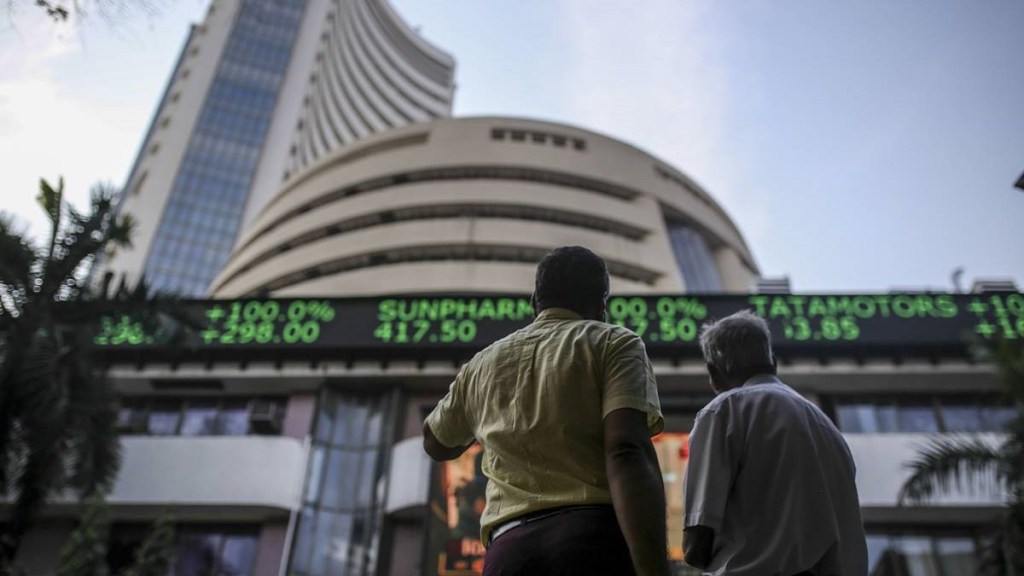

August was a rough month for BSE or the Bombay Stock Exchange. New rules shook up trading, and daily turnover in its futures and options (F&O) segment fell about 35%. Then October arrived, and the numbers jumped back.The domestic brokerage house Motilal Oswal has upgraded BSE to ‘Buy’ and set a target price of Rs 4,000, implying about 23% upside from current market price.
According to the brokerage report dated October 24, the recovery has a reason beyond volatile markets – a rule change coming on December 7.
Let’s look at what is driving this investment call –
Derivatives volumes bounce back after a regulatory setback
BSE’s derivatives business faced pressure after stricter lending norms for proprietary traders came into effect in July 2026, followed by the implementation of the CAS framework in August.
These changes reduced trading activity. As per the Motilal Oswal report, BSE’s average daily turnover (ADTO) in futures and options (F&O) fell 35% in August compared with the average between April-July 2026.
The recovery has since gathered pace. September saw a 6% month-on-month increase, while October recorded a stronger rebound amid volatile market conditions.
Motilal Oswal noted that “Oct ’26 has seen a significant spurt in volumes, with ADTO up 49% MoM as of 20th Oct’26.”
However, the brokerage cautions that market volatility may have contributed to the jump. A sustained recovery, rather than a temporary spike, will be crucial for BSE’s earnings outlook.
Will the December regulatory change provide another boost?
A further development could support trading activity. The report noted that the Securities and Exchange Board of India (SEBI) has partially reversed the CAS changes, restoring the last-30-minute volume-weighted average price (VWAP) settlement mechanism for index derivatives from December 7, 2026.
Motilal Oswal expects BSE’s average daily turnover to reach Rs 216 trillion in the FY26-27. This translates to a 16% growth year-on-year. The brokerage also sees scope for higher estimates if the recovery continues.
Market share and premium income offer further growth avenues
BSE’s growth opportunity extends beyond a rebound in trading volumes. The exchange has already captured more than 30% of the market in premium turnover, which measures the premium value of options traded.
The premium-to-notional ratio has increased to around 14 basis points from 6-7 basis points in 2023-24. The ratio remains below the National Stock Exchange’s (NSE) level of more than 20 basis points.
Its cash market business is also gaining ground. BSE’s cash market share has increased from around 7% to 9%. Motilal Oswal expects the potential listing of NSE and the opening of its share lock-in period in March 2027 to support trading activity.
Can stronger revenues translate into higher profits?
BSE is also expanding its revenue streams beyond derivatives trading. Its Star Mutual Fund (Star MF) platform has grown from 12 million quarterly transactions in the first quarter of FY20 to 245 million in the second quarter of FY27.
The platform now generates more than Rs 80 crore in quarterly revenue, as per the brokerage report. Co-location services, which allow traders to place their servers close to exchange systems, contribute another Rs 45-48 crore per quarter.
BSE’s earnings potential is supported by operating leverage, where revenue growth can translate into faster profit growth as the business expands. Its earnings before interest, taxes, depreciation and amortisation (EBITDA) margin rose above 65% in FY26 from 9% in FY21.
Motilal Oswal expects margins to reach 70% and forecasts a 27% compound annual growth rate (CAGR) in profit after tax between FY26-28.
What does the Rs 4,000 target mean for investors?
Motilal Oswal has raised its financial estimates and upgraded BSE to ‘Buy’, valuing the stock at 40 times its estimated earnings for FY28. The brokerage sees potential benefits from recovering derivatives volumes, regulatory changes and stronger cash market activity.
However, the outlook depends on whether trading volumes remain healthy after the recent volatility-driven rebound.
Disclaimer: This article is based on research reports from one or more brokerage firms and is for informational purposes only. The views, target prices, and recommendations expressed are those of the respective brokerage firms and do not reflect the official policy or position of Financial Express. This should not be construed as an offer, solicitation, or recommendation to buy or sell securities. Investors must conduct their own independent due diligence and seek advice from a SEBI-registered financial advisor before making any investment decisions.