


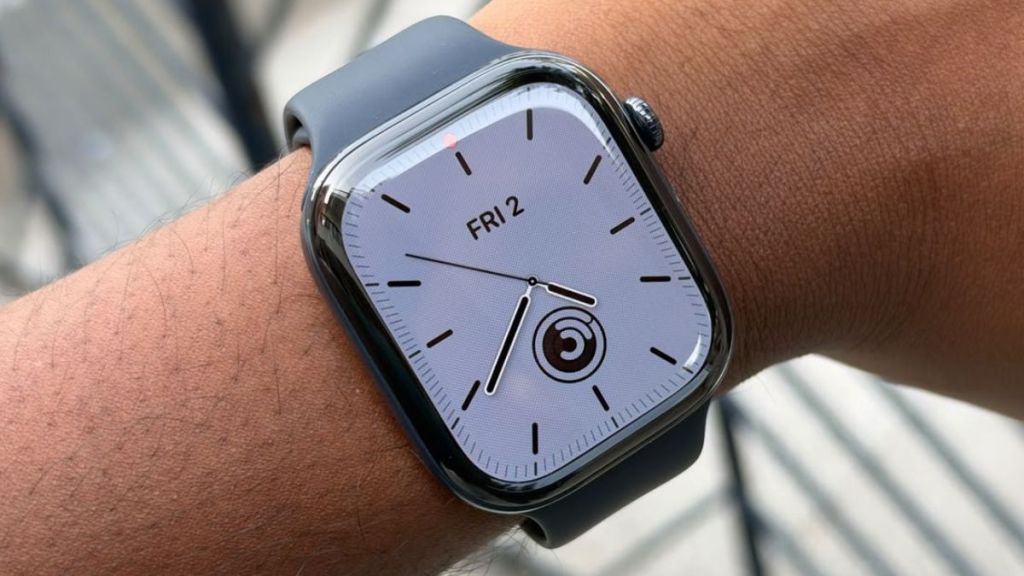

For the last two weeks, I have been wearing the 46mm Apple Watch Series 12 in a polished ceramic finish in the Night Blue colourway. It is easy on the eyes, feels lighter, and offers far more detail on a user’s health stats. The Apple Watch Series 12 looks a lot like every other Apple Watch in recent years. I have spent a fortnight with the 46mm GPS + Cellular model, and most of the minor yet meaningful changes sit under the case.
Apple has brought back the polished ceramic finish for the first time since 2019. The Series 5 was the last Apple Watch to offer a ceramic case; Apple discontinued the material from its smartwatch lineup until its return with Series 12 in 2026. The Series 12 starts at Rs 56,900 for the aluminium model, Rs 99,900 for titanium and Rs 1,24,900 for ceramic. The 46mm Night Blue ceramic version I tested is priced at Rs 1,30,900.
Perhaps the biggest hardware change this year is a redesigned sensor array that is shared with Apple Watch Ultra 4. The electrical heart sensor now uses 32 electrodes, up from two on the Series 11, improving skin contact during ECG readings. However, most of the gains are outside workouts. For instance, Apple says background heart-rate readings on the Series 12 are taken every five seconds, 60 times more frequently than on the Series 11, allowing the watch to capture more short-term changes in heart rate.
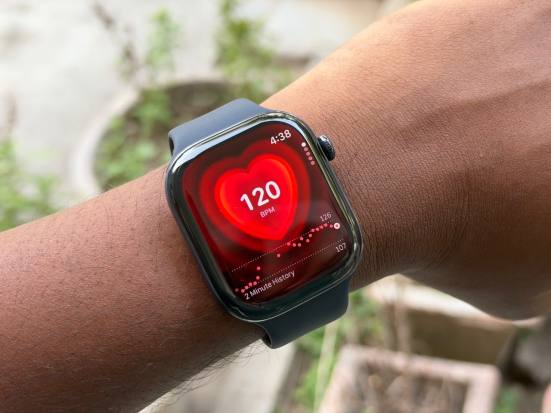
Heart rate and heart-rate variability also feed into Vitals, sleep and calorie estimates, offering a wholesome, detailed picture of one’s health. The readiness score is a late but meaningful addition, since many other prominent wearable companies are already offering their own versions. The distinction is that most of it is not locked behind a subscription, and it updates throughout the day instead of delivering one verdict each day. The caveat here is that to get accurate scores, the watch needs at least seven days and seven nights of use to unlock, with at least four hours of sleep.
With more frequent readings, I expected the watch to drain the battery faster. I was surprised by the battery life. Apple rates the Series 12 for up to 24 hours of normal use, or up to 38 hours in Low Power Mode. It can deliver up to 10 hours of outdoor workout tracking, 25 per cent more than the previous model. The 24-hour everyday battery rating is unchanged from the Series 11, but the Series 12 charges faster and can reach 80 per cent in about 30 minutes. Apple says a 15-minute charge can provide up to 12 hours of normal use, while five minutes of charging can provide up to 10 hours of sleep tracking. In my experience, this made the Series 12 much easier to live with, as I was relatively carefree about charging and could get close to two full days of use under my typical routine.
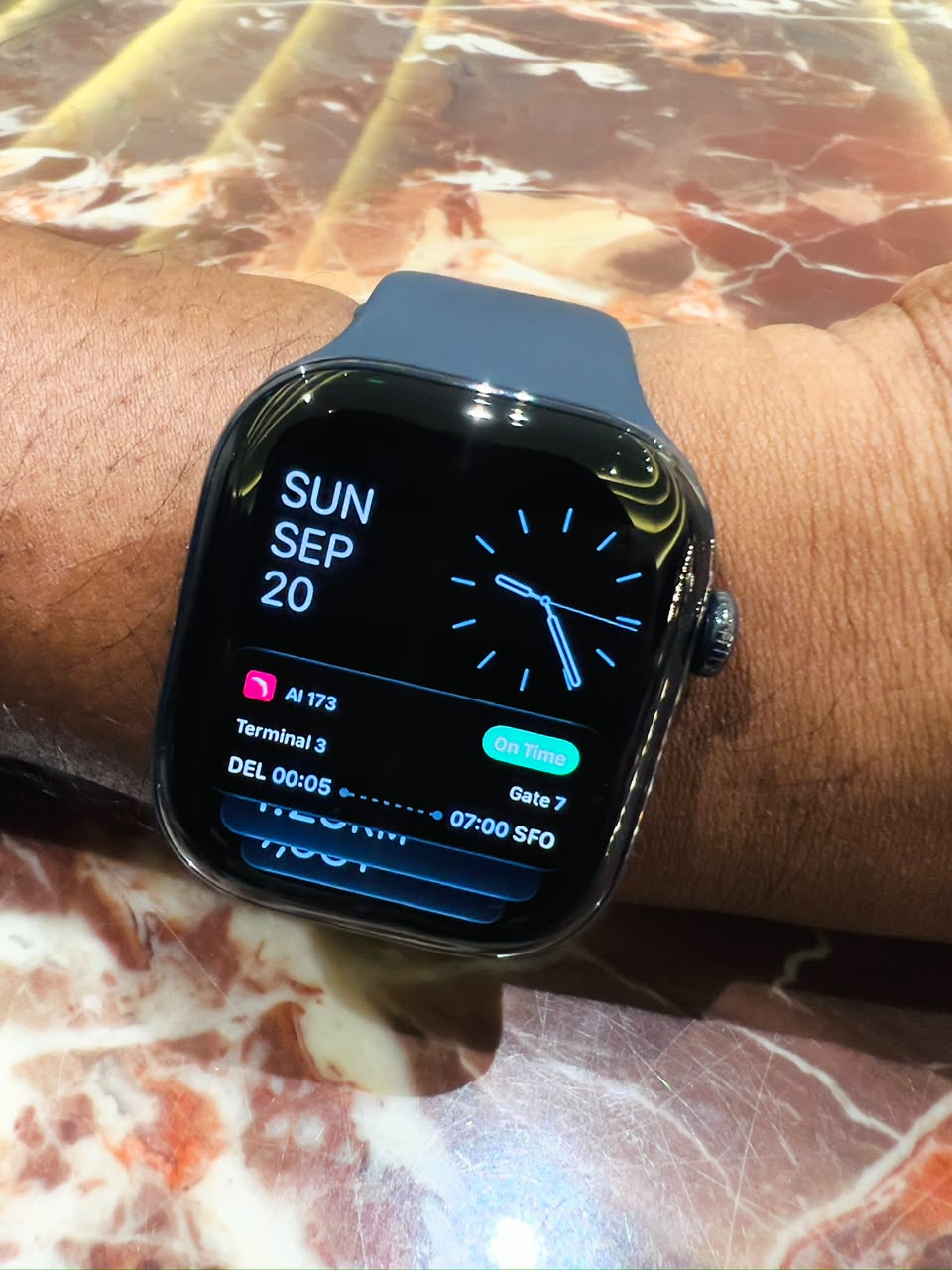
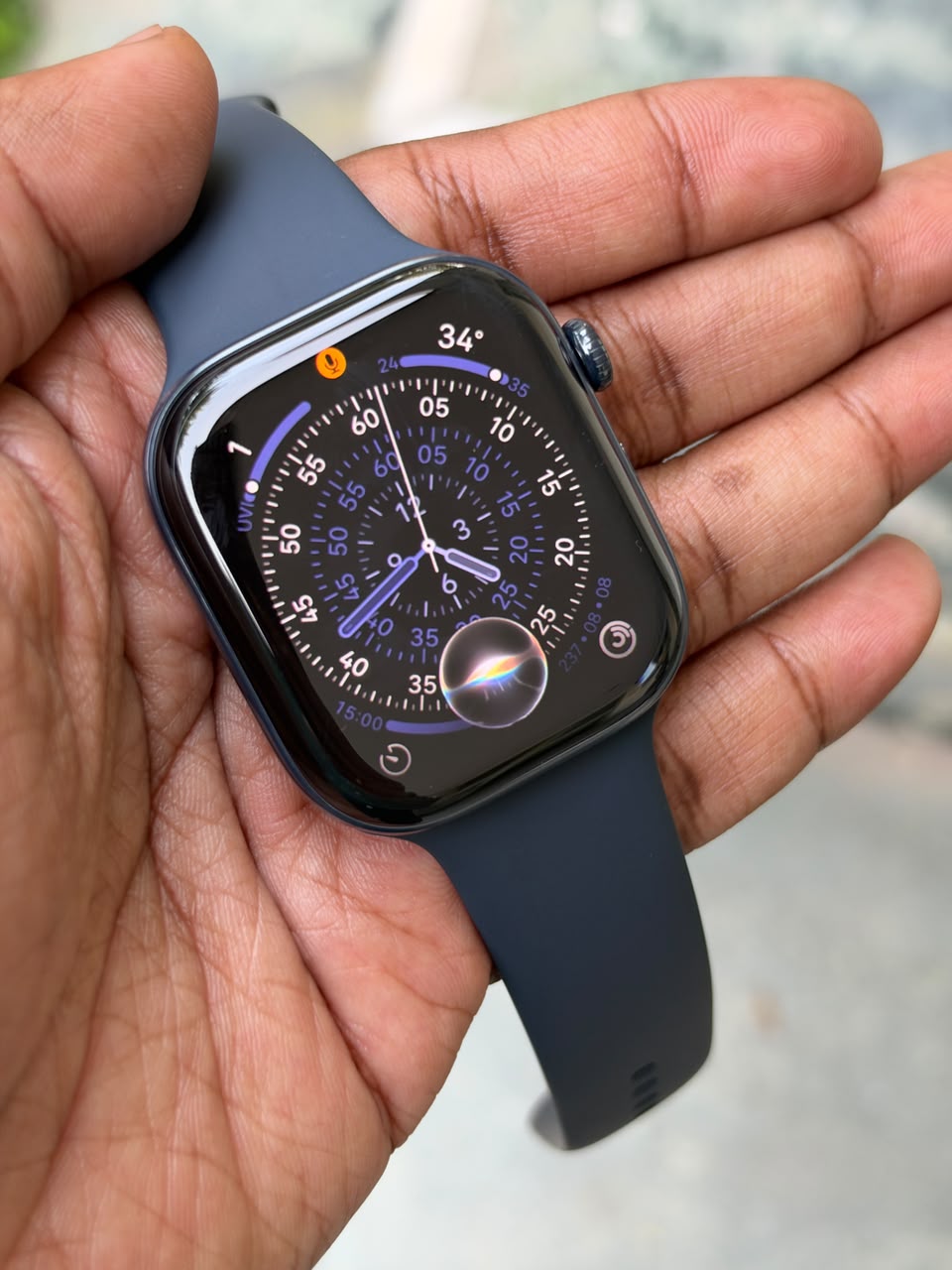
With everyday use, I found the watch to be more responsive with faster heart rate lock-in, and Siri AI in beta on watchOS 27 makes it snappier than the Series 11. Moreover, Siri AI now gives direct answers instead of a link to tap. Among this year’s standout features is audio intelligence that combines four tools: faster Shazam, sound recognition, Live Rewind, and Siri Recap. While Live Rewind transcribes the last 15 seconds of a conversation, Siri Recap summarises meetings; both features are yet to arrive.
Should you upgrade?
If you are using Watch Series 11, maybe not. If you are using an older Apple Watch, the Watch Series 12 offers plenty of likeable features, including a readiness score that updates throughout the day, longer battery life, faster charging, and a snappier processor. The Series 12 starts at Rs 56,900 in India, with the Ceramic finish starting at Rs 1,24,900, and requires an iPhone 11 or later running iOS 27. The best part is that the health insights come at no extra cost.