


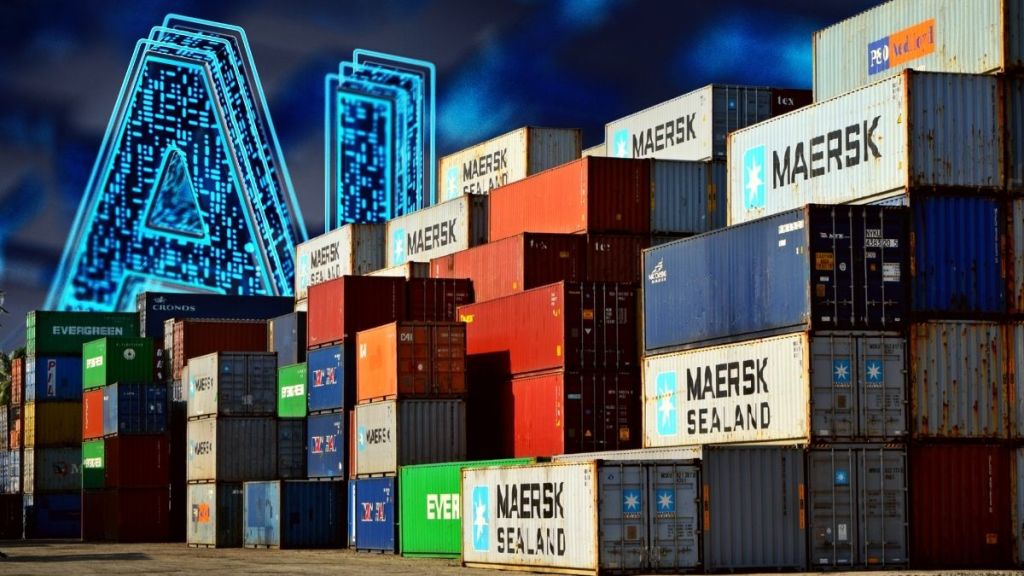

For Maersk, technology is becoming as important to moving cargo as ships, ports and warehouses. The Denmark-headquartered logistics major is using data, artificial intelligence, automation and digital platforms not just to track shipments, but to predict disruptions, optimise operations and increasingly help make decisions across the supply chain.
A large part of that technology capability is being built in India. Maersk has about 2,900 technology professionals across Bengaluru, Pune, Mumbai and Chennai, with almost half of its global technology talent now based in the country. Their role, however, has changed significantly – from supporting the global business to building products and platforms for it.
“Over the last few years, our India technology organisation has evolved from a delivery and support centre into a strategic innovation hub that builds and runs technology for Maersk’s global business,” says Resham Sahi, senior vice-president – Technology and head of Maersk Technology Centre, Bengaluru. From customer experiences and shipment visibility to data, AI and operational platforms, products built by teams here now support Maersk’s operations and customers across more than 130 countries.
“India is no longer just supporting technology initiatives. It is helping define them,” Sahi says. The change comes as Maersk itself moves beyond its traditional identity as a shipping company towards becoming an integrated logistics provider. In a business exposed to geopolitical events, port congestion, capacity constraints and volatile demand, the ability to see a problem early – and respond quickly – is becoming increasingly important.
One example is Star Connect, Maersk’s AI-powered fleet energy-efficiency platform. Built using edge computing, it processes more than 2.5 billion IoT data points in real time to support decisions during voyages. Machine-learning models forecast factors such as fuel consumption and wind resistance, while also identifying risks such as parametric roll. This enables operators to make course and speed adjustments while a vessel is at sea.
“What is interesting about solutions like this is that they bring together data, AI and operational expertise to support decisions in a live logistics environment,” Sahi says. “The focus is not simply on collecting more data, but on making it useful at the point where a decision needs to be made.”
That is increasingly the direction of the technology being built in India. The emphasis is shifting from developing individual applications to creating capabilities that can improve visibility, efficiency and decision-making across Maersk’s global operations.
The same thinking is being applied to supply-chain disruptions. Technology teams in India are building analytics, AI and data platforms that bring together signals from different sources to identify port congestion, delays, capacity constraints and operational bottlenecks earlier.
But identifying a disruption is only part of the problem. The bigger challenge is deciding what to do about it. Maersk is exploring AI-powered dynamic prioritisation, scenario modelling and re-planning to help teams assess the impact of a disruption and consider alternative sourcing or routing options. That could also change the role of supply-chain control towers – from systems that primarily provide visibility to platforms that help teams decide and act.
“The next step is helping teams understand its potential impact, evaluate alternatives and decide how to respond,” Sahi says. “The technology can surface relevant signals and trade-offs, while the people managing the operation make the final decision.”
India is also becoming a source of intellectual property for Maersk. Its Bengaluru technology centre has secured more than 10 AI patents, covering areas such as intelligent document processing, workflow automation, predictive analytics, anomaly detection and decision support.
Sahi, however, says patents are less important than what they deliver. “For us, AI is not a research exercise. It is about solving real business challenges, improving productivity, enhancing customer experiences and helping our colleagues make faster, better-informed decisions.”
That approach is also influencing the capabilities Maersk is building in India. Alongside AI and machine learning, the company is investing in cloud engineering, cybersecurity, data engineering, product management and platform architecture. It is placing greater emphasis on people who can combine technical skills with an understanding of logistics and customer needs.
For Sahi, that combination is what makes India increasingly important to Maersk’s global technology strategy. “We have the opportunity to bring together engineering, data, AI and deep logistics expertise to solve complex business problems, build new digital capabilities, and continuously improve them based on real-world performance,” she summarises.