



It was around 2019 when Samsung’s Fan Edition (FE) lineup was introduced with a core mission – to take on the “flagship killers” from China. Samsung was proud to state that these FE edition devices would offer the classic Galaxy S flagship experience while cutting down on non-essentials to keep the prices low. This meant offering an older-spec, higher-end processor, decent cameras, a great battery and funky colours. Throughout the years, the series’ greatest hits – like the Galaxy S20 FE, Galaxy S21 FE, Galaxy S23 FE, and S25 FE, have shown that Samsung understands the market
So, for this year’s Galaxy S26 FE, it was expected that Samsung would stick to its original formula of giving more for less with little compromises here and there. After living with the S26 FE for close to two weeks, though, it seems that Samsung altered the formula – it’s still rich in features you want, looks and feels great, but the price tag is now in the proper Galaxy S territory.
It’s not Samsung’s fault that the RAM crisis has hit the phone market hard, but for a product marketed to be accessible, things don’t seem to add up for the S26 FE.
Let me explain.
Design and build: Aesthetics done right
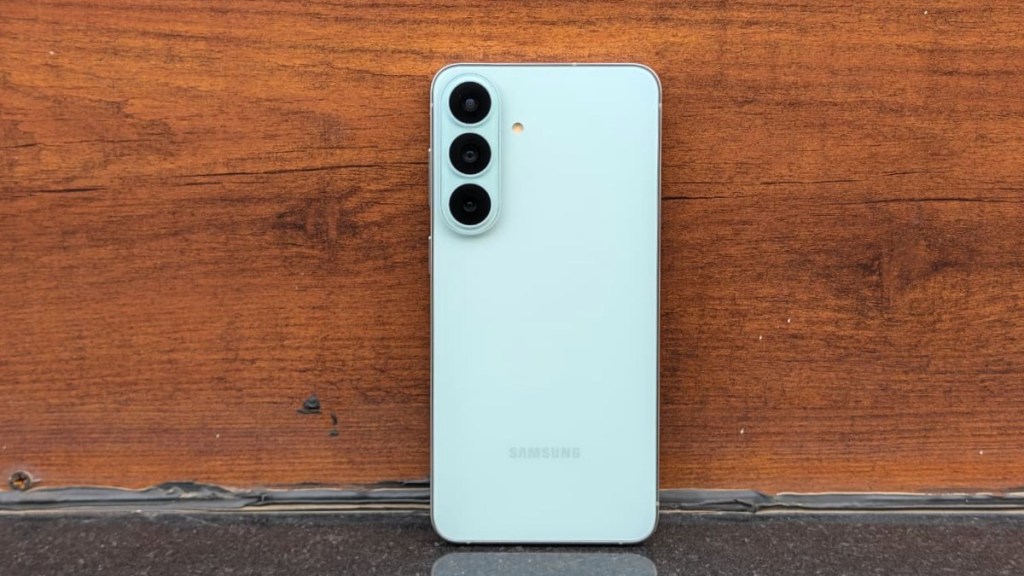
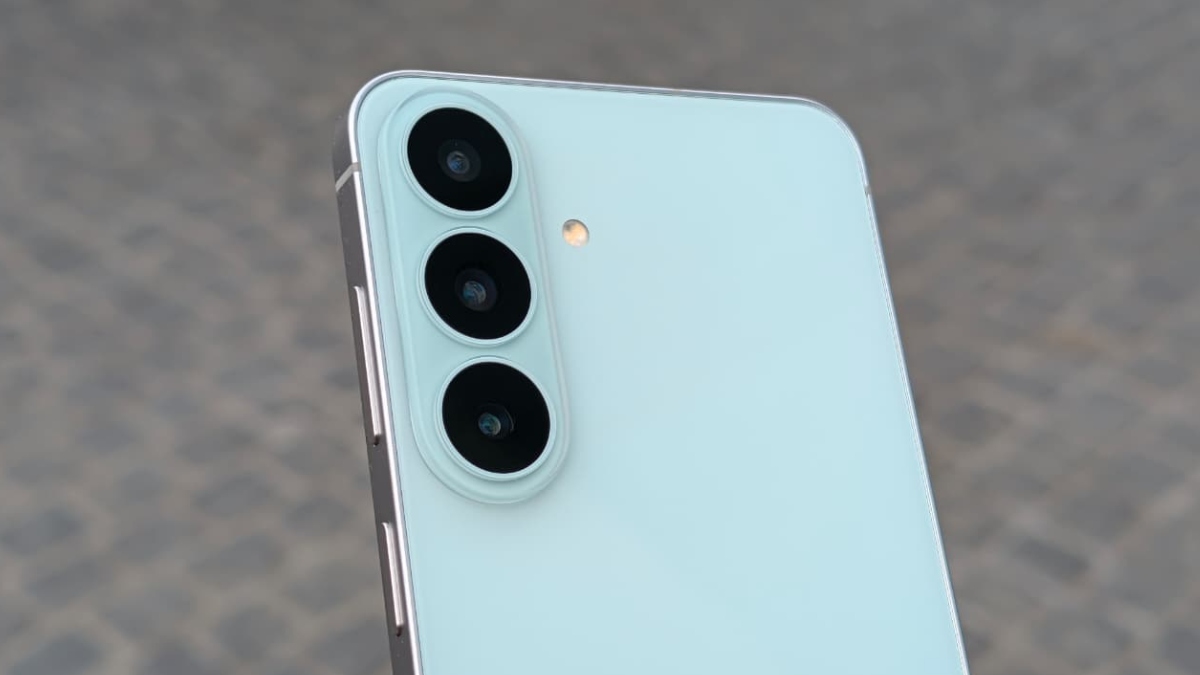
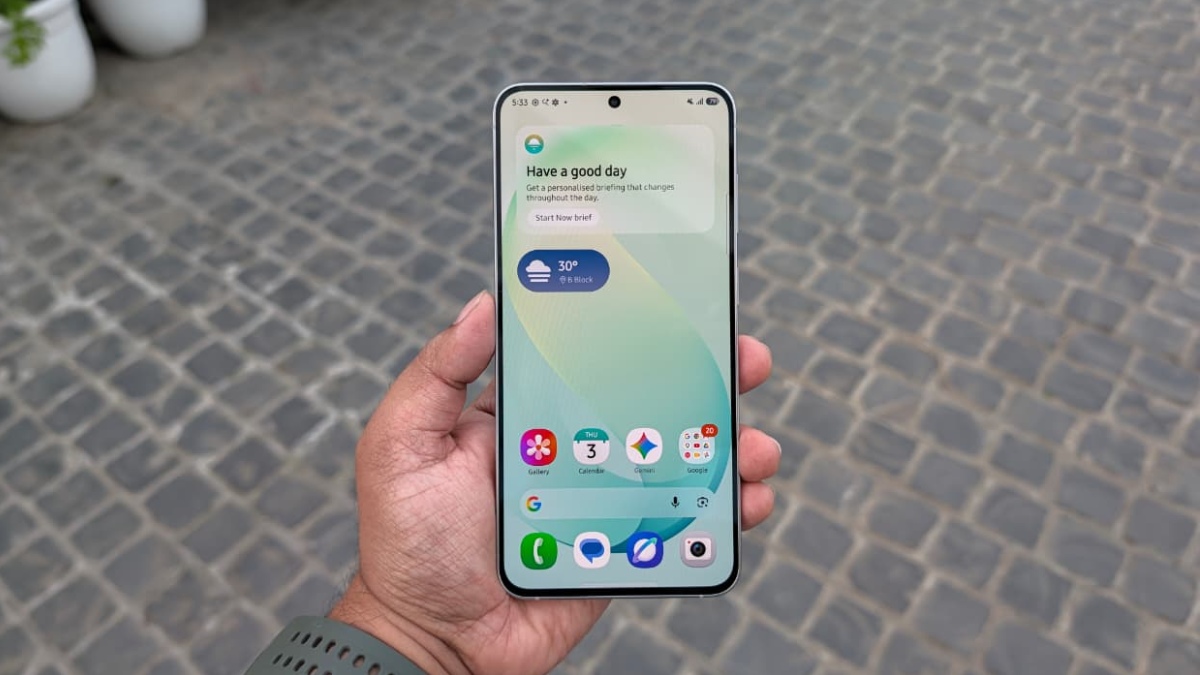
Out of the box, the Galaxy S26 FE seems like a proper Galaxy S device. Samsung has nailed the physical craftsmanship, giving it a sturdy aluminium frame, a relatively sleek 7.4mm profile, and an IP68 dust and water resistance rating that matches its pricier siblings. The glossy back panel, especially in the Pistachio colourway, adds a touch of class to the device – something most other manufacturers don’t offer these days in this segment.
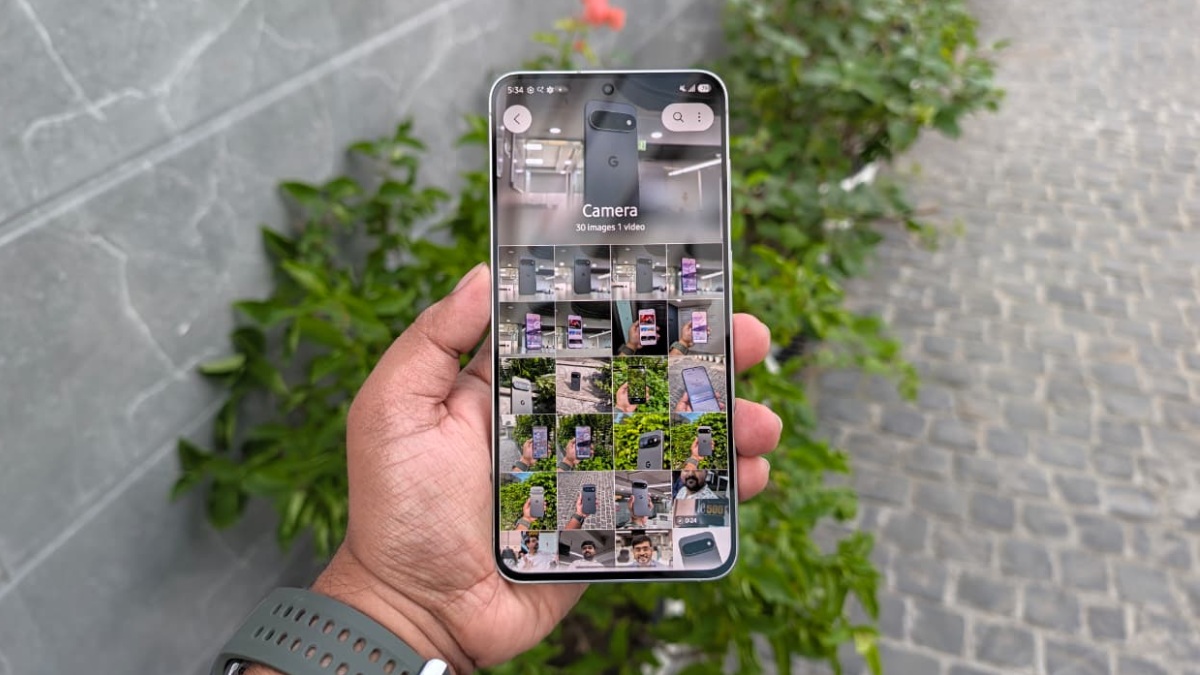
Up front, you get a large 6.7-inch Dynamic AMOLED 2X panel with a 120Hz refresh rate and peak brightness reaching up to 1,900 nits. As with most Samsung midrange phones, this display panel is great at displaying vibrant colours, while delivering excellent outdoor visibility and offering buttery smooth scrolling. The panel, however, is not as lively as a regular Galaxy S26.
Protected by Corning Gorilla Glass Victus+ on both sides, the phone should survive well against scratches and accidental drops.
Performance, features and AI
On the software front, the S26 FE ships with Samsung’s latest One UI 9 based on Android 17. Samsung continues to set the benchmark for long-term software commitment, promising 7 generations of OS updates and 7 years of security patches, which is flagship territory.
The software experience is heavily bolstered by integrated Galaxy AI features from the Galaxy S models, including:
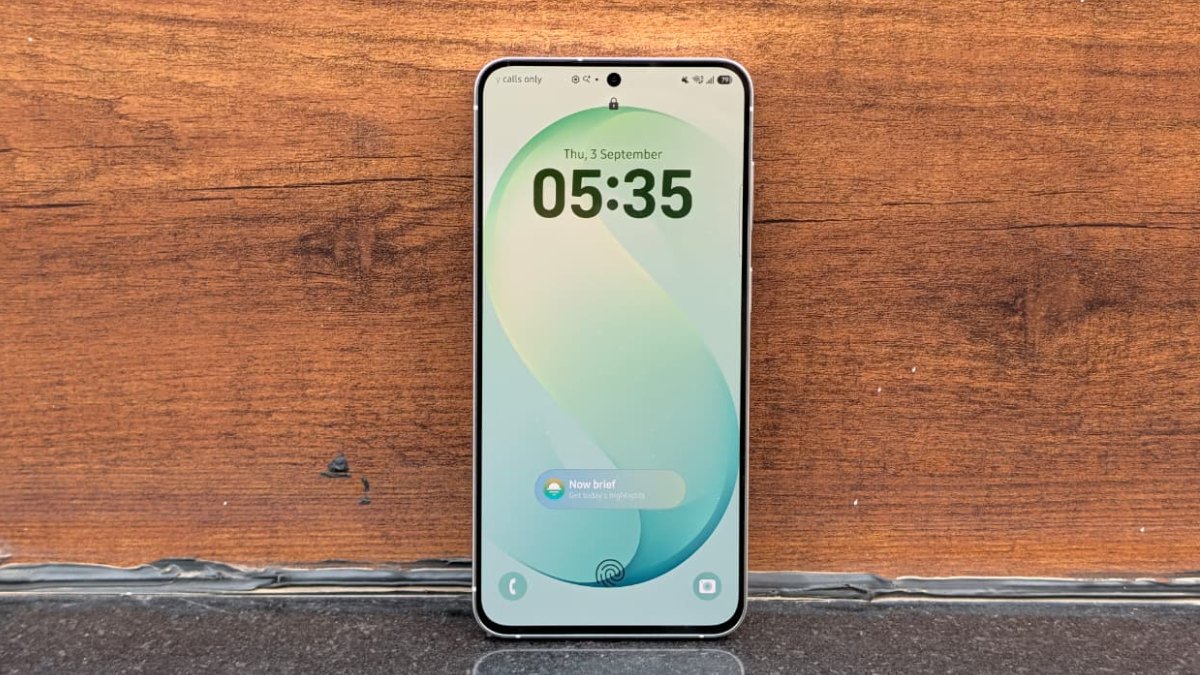
Now Brief & Nudge: The highly useful feature from the Galaxy Z and Galaxy S models offers personalised daily briefings and context-aware suggestions directly on your lock screen. There have been so many moments where the Now Brief has reminded me about a meeting just minutes ahead, or nudged a reminder about an alarm, or maybe given a quick glance at a photo from last week’s trip.
Samsung’s camera AI tools: On the S26 FE, you get features like My FanCam (auto-framing subjects in video) and Photo Assist, both of which are genuinely useful for making videos and dealing with social media thumbnails.
Beyond the star AI features, Samsung’s One UI 9 offers a polished user experience with minimal lag and bloat between the core interactions. The Exynos 2500 chip, which is a generation old, is well optimised to take care of all productivity tasks and even casual video gaming.
Cameras: Good but not great enough for a Galaxy S
The Galaxy S26 FE retains the classic triple-rear camera layout that we have seen for years on the base Galaxy S models. This ain’t bad, considering that you get genuine focal versatility that many competitors in this price bracket skip, i.e., a proper zoom camera alongside a wide and ultrawide shooter.
The performance output, however, is not there with the flagship-grade models. It feels as if Samsung desperately tuned it to mid-range standards.
The 50MP main camera is the star here. Thanks to OIS and Samsung’s refined processing, daylight photos from this sensor are sharp, vibrant, and boast excellent dynamic range. It also shoots sharp 4K videos at 60fps, but most of my usage was limited to 30fps footage.
However, the 8MP 3x optical telephoto sensor struggles in comparison to most other flagship phones in this price range. While its true 3x optical zoom is a massive advantage over digital cropping for portraits and distant subjects, like on the iPhone 16, the 8MP sensor struggles with details in low light and indoors.
The 12MP ultra-wide camera is good for daylight group shots and landscapes with its 123-degree field of view. However, it lacks autofocus, which means no macro mode. The colour science matches the main sensor to an extent, which makes it useful for vacation photography.
So, what’s the catch?
Let’s talk about the core issue – the pricing strategy.
At Rs 79,999, the Fan Edition crosses into true flagship territory rather than remaining a value-oriented alternative. Once you consider the price, some of the concerns can no longer be ignored.
Just 8GB RAM: Offering only an 8GB RAM configuration on the S26 FE feels restrictive, especially when competing devices in this price bracket routinely offer 12GB or 16GB. With more on-device AI features these days, 8GB of RAM limits the longevity of the device.
Good enough battery: The 4,900 mAh battery can make it through a full day, and the 45W wired charging takes around 30 minutes just to reach 69%. However, in a market where mid-range and upper-tier phones offer massive 7,000-10,000mAh capacity batteries that promise up to 2 days of stamina, Samsung’s conservative 4,900mAh unit seems just around.
The value proposition:
At Rs 79,999, the Galaxy S26 FE has competition from within its family! The vanilla Galaxy S26, which came out earlier this year, offers a superior overall user experience in a compact form factor (better performance, latest software feature updates, slightly better cameras, and more).
Beyond Samsung’s lineup, the Galaxy S26 FE has to compete with the highly sought-after Apple iPhone 16 – a phone that, despite its lack of a high refresh rate screen, offers a premium user experience in terms of mobile photography and videography, a fluid iOS ecosystem experience, a quality viewing experience, and timely updates. The iPhone 17e also joins the competition with greater firepower under the hood, albeit with a few more compromises.
Then there’re the phones that the Galaxy S26 FE was designed to fight – the flagship killers. The OnePlus 15, which now starts at Rs 85,999, offers a cutting-edge Snapdragon 8 Elite Gen 5 chip, a splendid display, great battery life, and fast charging to back it up. The iQOO 15, another flagship killer for gamers, is cheaper than the S26 FE, and offers a better-rounded premium package than the S26 FE. The Vivo X300 FE is another great option for those wanting a solid camera experience in a premium package.
Verdict
There’s no denying that the Samsung Galaxy S26 FE is a well-built, polished, and premium smartphone. Its display is great, and the One UI 9 software ecosystem is top-notch. Even the camera setup delivers reliable real-world results, and you get a day’s worth of battery stamina to go about your day. On paper, this is a safe option for someone who wants a safe choice from a reputed global brand and values a quality user experience.
Sadly, it’s the price tag that makes it hard to ignore the drawbacks, especially against what the competition offers. The S26 FE, by virtue of its conservative spec sheet, ends up seeming like a midrange phone in the company of proper flagship-grade devices that unarguably offer better user experiences. Hence, the value aspect takes a hit, and for the “Fan Edition”, that’s not a good deal.
The Samsung Galaxy S26 FE, to round it up, is a phone that checks the right boxes for a premium midrange smartphone, but we’d only recommend considering it once the prices start to drop.