




Days after Meta’s Muse shot its way to the limelight, OpenAI has now unveiled Dots as its answer. Dots is a new family of bubbly, agentic avatars powered by OpenAI’s latest GPT-6 Astra model, introduced during OpenAI’s Dev Day. This comes just a day after Google ended its Gemini Gems in favour of the new Skills platform, which itself was a response to Meta’s Muse.
It seems that Zuckerberg got something so right that the rest of the industry is busy rolling out copies in the shortest possible time.
What are OpenAI Dots?
Unlike the traditional ChatGPT chatbot experience that waits for a prompt before responding, Dots are designed to operate as always-on personal agents. They run continuously in the background, executing multi-step tasks, organising workflows, and collaborating across applications with minimal human intervention.
Background autonomy: Operating via GPT-6 Astra, a Dot can pursue complex, user-defined goals over long horizons, such as monitoring schedules, managing file systems, or coordinating team workflows, without needing constant supervision.
Customisation and persona: Users begin with a primary Dot, naming it and customising its aesthetic. Rather than locking users into a single static identity, OpenAI envisions users managing specialised “teams” of Dots assigned to different domains (e.g., administrative, creative, or security-focused).
Cross-platform mobility: Dots are intentionally software-centric and platform-agnostic, i.e., they are built to operate across ChatGPT Web, desktop applications, and mobile environments without requiring proprietary hardware.
How does OpenAI’s Dots compare to Meta Muse?
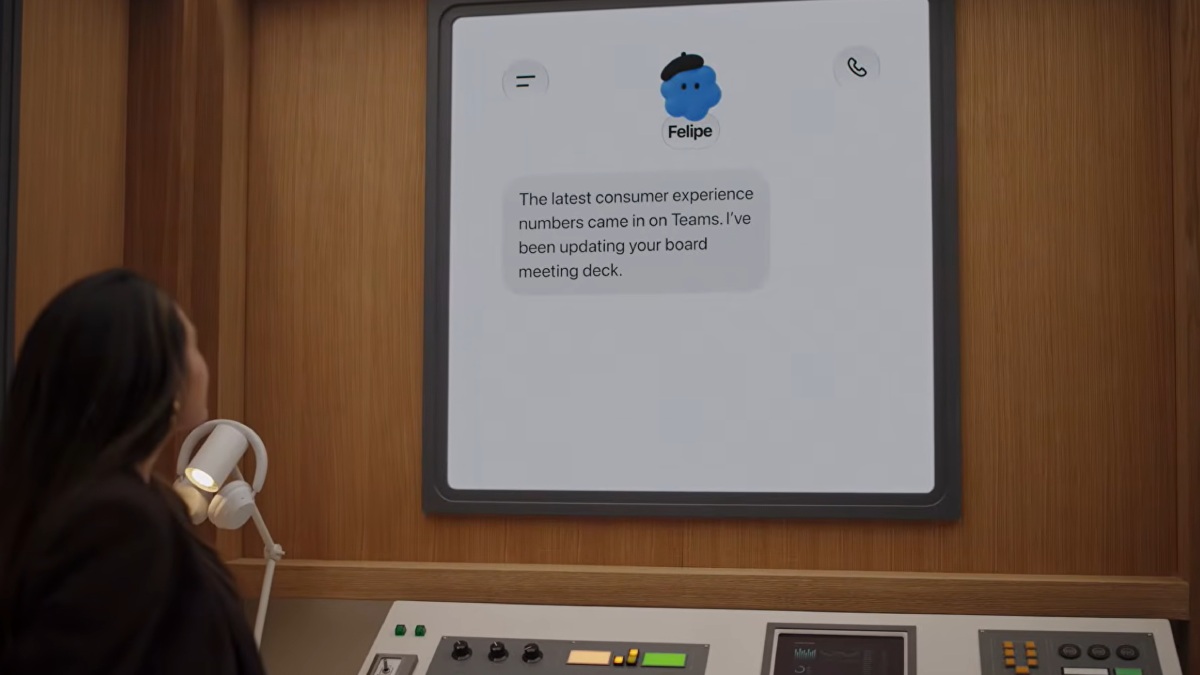
The introduction of Dots puts OpenAI in direct competition with Meta’s Muse agent platform, which debuted alongside the Tamagotchi-like Muse Charm device and customisable mascot avatars like Jollybot. While both platforms want to humanise AI through expressive, relatable personas, their core philosophies differ.
| Feature | OpenAI Dots | Meta Muse |
| Primary Engine | GPT-6 Astra | Meta Llama Architecture |
| Mascot / Aesthetic | Minimal, bubbly cartoonish avatars | Highly customised 3D avatars and mascots (Jollybot) |
| Hardware Strategy | Software-First: Integrated across ChatGPT, desktop, and web | Hardware-Integrated: Native to Ray-Ban Meta glasses and Muse Charm |
| Agentic Focus | Autonomous, multi-task execution in the background | Real-time conversational presence and multimodal perception |
| Availability | ChatGPT Pro, Team and Enterprise tiers (Free/Plus preview) | Meta ecosystem (WhatsApp, Horizon, Ray-Ban, Muse Charm) |
Rollout and availability: Who gets OpenAI Dots?
OpenAI is releasing Dots across its subscription tiers in a staged manner to manage compute overhead and prioritise advanced agentic capabilities for high-volume users:
Limited preview with ChatGPT Free
Free-tier users receive access to a basic Dot with essential voice and visual avatar interaction. Background agent execution is capped at a strict weekly time allowance to introduce everyday users to the concept without overloading OpenAI’s infrastructure.
Standard access with ChatGPT Plus
Plus subscribers can fully customise a single primary Dot, unlocking full real-time voice integration and moderate background task execution budgets for daily personal productivity.
Advanced access with ChatGPT Team
Team accounts get access to up to three specialised Dots per seat. This tier enables shared delegation across team members and persistent background task execution integrated directly into workplace applications.
Priority access ChatGPT Enterprise and Pro
Top-tier subscribers receive complete “Dot Squad” management, allowing unlimited specialised avatars running on dedicated GPT-6 Astra compute allocations. Enterprise users also gain custom corporate branding, advanced administrative controls, and full data security compliance.