


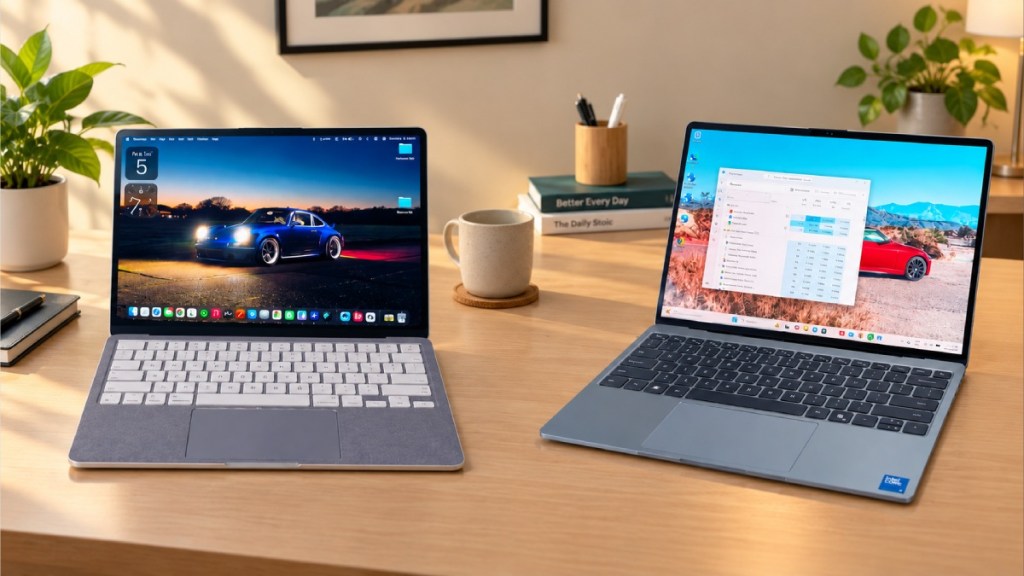

If you have Rs 80,000 to spend on a laptop that promises to do well at everything without being exceptional, two obvious contenders come to the forefront – the highly celebrated Apple MacBook Neo and the social forum’s favourite Dell XPS 13 2026. Which of these is better for you?
Before we proceed, I have something to clarify – you get 8GB RAM as standard on both these laptops. In 2026, 8GB RAM isn’t enough to guarantee a well-oiled multitasking experience. Modern webpages need more memory to deliver the intended experience, especially on a resource-intensive web browser like Google Chrome. Hence, these laptops only serve well if your workflow doesn’t require a lot of multitasking.
Also, note that the MacBook Neo comes with only 8GB RAM, whereas the Dell XPS 13 offers a variant with 16GB RAM at an additional cost.
On the other hand, the Dell relies on Windows 11 and its messy bloatware situation that tends to affect the user experience at times. The MacBook Neo offers a more formal and well-designed macOS experience that fits in well with the Apple ecosystem, i.e., it works effortlessly with an iPhone, iPad and other Apple devices.
So, are you confused between these two? We are here to help you with a purchase decision. Note that our opinion is based on in-depth reviews of these laptops.
Dell XPS 13 2026 vs MacBook Neo: Specifications at a glance
| Feature / Spec | Dell XPS 13 (2026) | Apple MacBook Neo |
| Starting Price (India) | Rs 79,990 | Rs 79,900 |
| Display | 13.4-inch 1440p IPS, 120Hz Touchscreen, Matte anti-smudge | 13-inch Retina IPS, 60Hz Non-touch |
| Processor | Intel Core 5 320 | Apple Silicon A18 Pro |
| Base Memory (RAM) | 8GB (Configurable up to 16GB) | 8GB (Limited) |
| Base Storage | 512GB SSD | 256GB SSD |
| Biometrics | Facial Recognition (Windows Hello) | Touch ID only on 512GB storage variant |
| Chassis & Weight | Full Aluminium, lighter & compact profile | Full Aluminium, standard ultraportable |
| Operating System | Windows 11 (Full x86 compatibility) | macOS (ARM architecture) |
| Battery Life | ~10 Hours (Full workday) | 11 hours of web browsing |
Usability: Dell XPS 13 is simply better
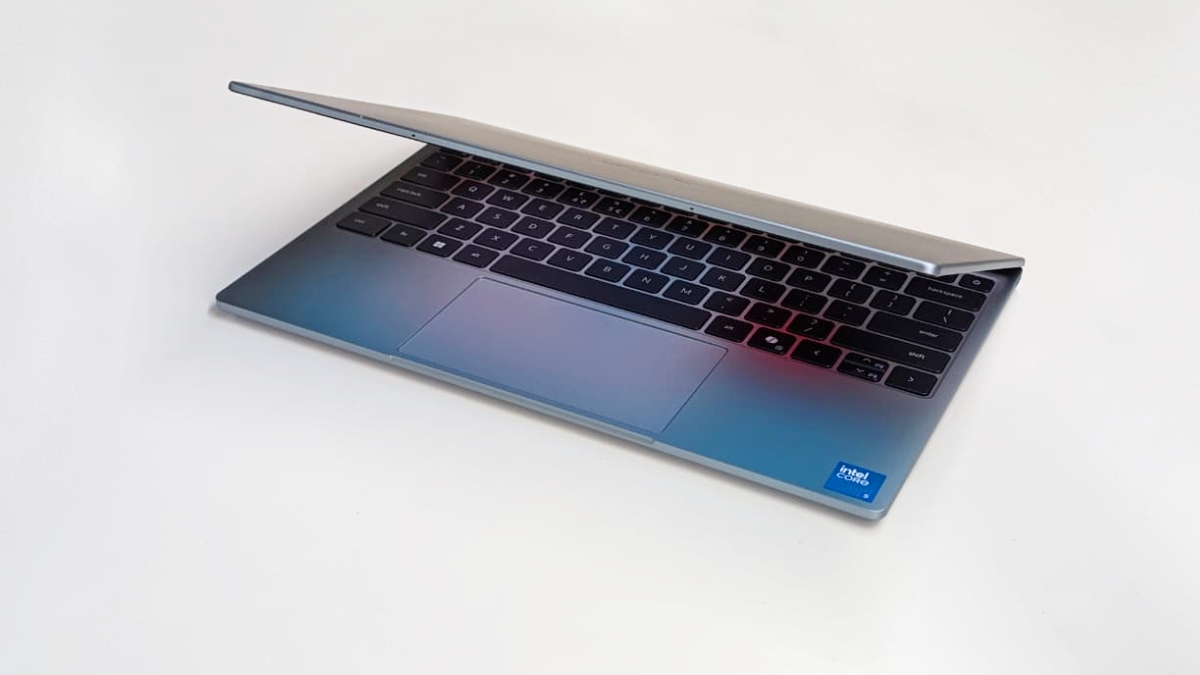
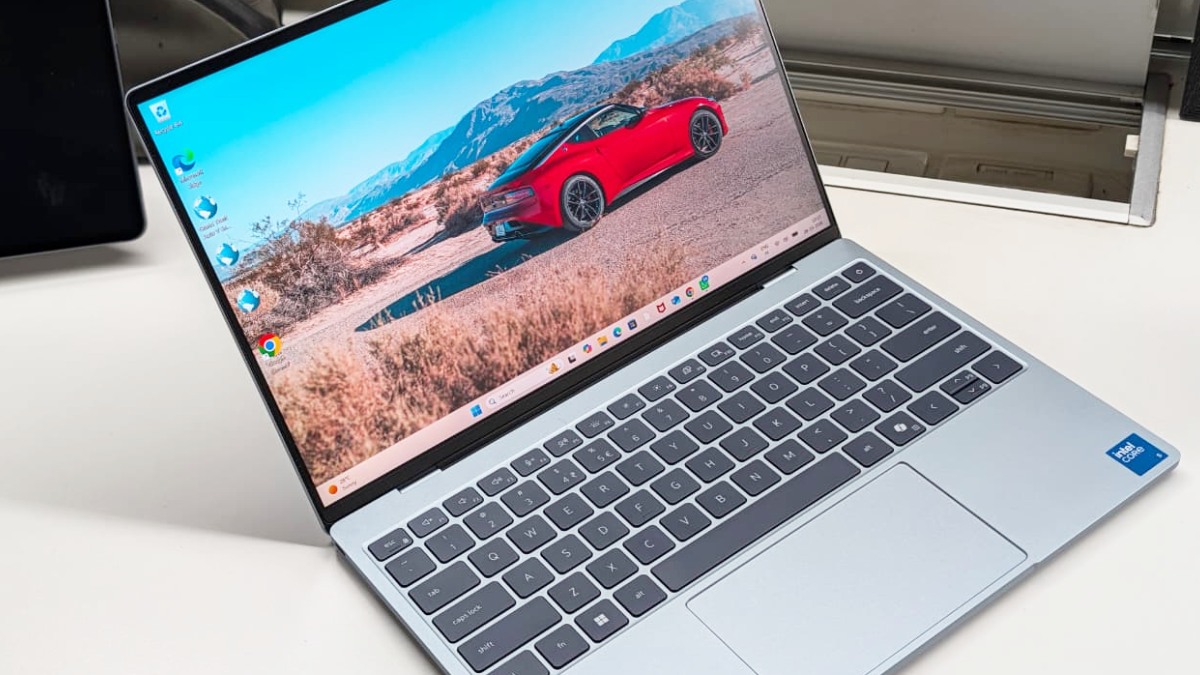
The display is where the Dell XPS 13 immediately establishes its dominance over the MacBook Neo. Dell equips the XPS 13 with a vibrant 13.4-inch 1440p IPS panel boasting a 120Hz high-refresh rate. Hence, everyday web browsing, file scrolling, movie sessions, and document editing feel noticeably smoother than on the MacBook Neo’s standard 60Hz panel.
Furthermore, Dell includes a matte touchscreen that resists finger smudges while drastically reducing glare in bright outdoor environments. Paired with Windows Hello facial recognition, unlocking the device is instantaneous — a seamless feature missing from Apple’s baseline configuration.
Performance: Low RAM limits multitasking but…
Under the hood, the XPS 13 runs on the Intel Core 5 320, a chip designed specifically for efficiency and daily productivity rather than heavy workstation tasks or high-end gaming. While it delivers standard x86 Windows 11 application support without ARM-emulation bottlenecks, potential buyers must pay attention to memory configurations.
Modern operating systems and web browsers are notoriously memory-hungry. On both the baseline MacBook Neo and the base XPS 13, 8GB of RAM quickly becomes a performance bottleneck under heavy browser tab usage. However, Dell’s XPS 13 holds a massive strategic advantage:
Storage advantage: The base XPS 13 starts with 512GB SSD storage, which is double the MacBook Neo’s sparse 256GB base.
Expandability: While Apple limits the memory (RAM) options on the Neo, Dell allows users to step up to a 16GB RAM configuration.
For anyone planning to keep their laptop for 3 to 5 years, opting for the 16GB RAM variant of the XPS 13 is a no-brainer as it unlocks the true multitasking potential of the Intel chip without system slowdowns.
Practicality and daily ergonomics
Dell wisely stepped away from the invisible glass trackpads and zero-lattice keyboards seen on higher-tier XPS models, opting instead for a conventional, highly tactile chiclet keyboard deck. Key travel is well-calibrated, offering a comfortable surface for extended writing sessions. The MacBook Neo, however, has a mechanical-style trackpad with a glass surface, allowing for smoother scrolling. The Neo’s keyboard is well calibrated too and makes it easy to type long documents at a stretch, but it lacks backlighting unlike the XPS 13.

As far as the XPS 13’s audio is concerned, output from the quad-speaker setup is loud and clear for virtual calls or casual streaming, while the dual USB-C placement across both sides allows convenient charging from either side. The MacBook Neo’s dual speaker setup is equally loud and offers depth in its audio output. Similar to the XPS 13, you get two USB-C ports for connectivity and display linkage, but you also get a 3.5mm headphone port.
Then there’s the battery life, where surprisingly both the laptops perform similarly. In our workflow, which simulated a typical office scenario, both the Dell XPS 13 and MacBook Neo needed to be charged by the end of the day.
Verdict: Which one should you buy?
While both laptops are equally great at what they promise, it is in real-life performance where one of them outshines the other, and Dell seems to have beaten Apple at its own game.
Choose the Apple MacBook Neo if you are already deeply locked into the Apple ecosystem (iPhone, iPad, Apple Watch) and prioritise macOS integration above all hardware features. The Neo’s limited processor and RAM situation bottleneck the performance potential in real life.
Choose the Dell XPS 13 (2026) if you want the absolute best value for Rs 80,000. With a superior 120Hz touchscreen, double the base storage (512GB), face unlock, a versatile Windows 11, and the critical ability to configure 16GB of RAM, the XPS 13 stands out as the single right choice for students, professionals, and general users seeking an ultra-portable productivity machine. Hence, the XPS 13 earns our recommendation for an entry-level premium laptop.