


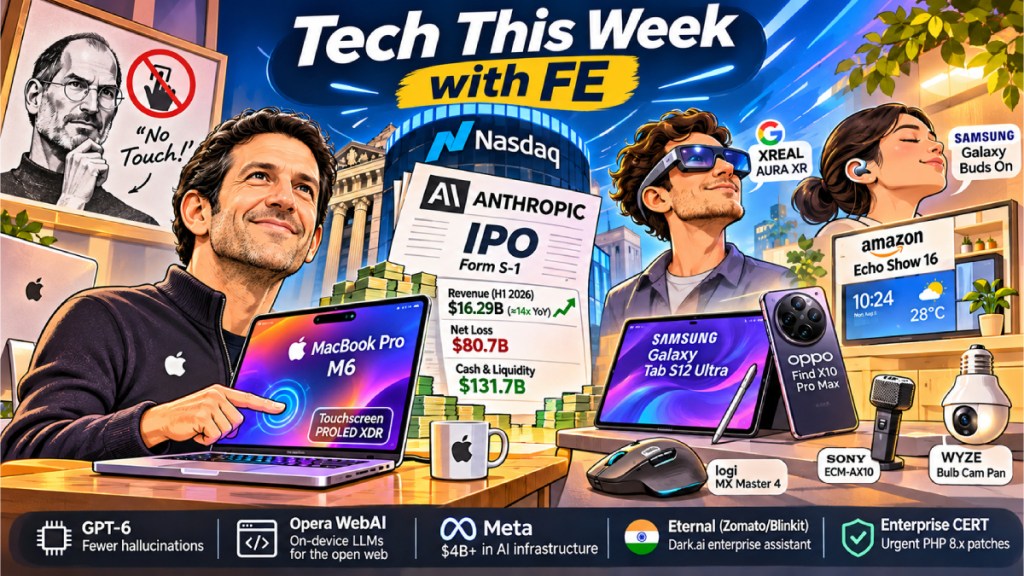

Computing is pulling in two distinct directions. This week, Apple doubled down on the stationary workstation with an M6 MacBook Pro that finally introduces a touchscreen, while Google, Samsung, and Amazon pushed computing off traditional displays and into glasses, earbuds, and living room walls. In between, Anthropic filed to go public—offering the clearest audited look yet at the sheer capital required to sustain the industry’s shift toward autonomous intelligence.
For buyers and builders alike, the distinction matters: software is shifting from passive cloud apps to local, continuous agents. Deciding what hardware to buy now depends on whether you want that intelligence anchored to a desk or diffused into your surroundings.
Wall Street: Anthropic Files for a Nasdaq Listing
The commercial reality of frontier AI moved from venture estimates to audited public scrutiny this week as Anthropic filed its Form S-1 registration statement with the US SEC, proposing to list on the Nasdaq under the ticker ANT. No pricing terms or debut dates have been set.
The prospectus reveals rapid commercial scaling alongside massive accounting distortions:
- Top-line revenue: Revenue for the first half of 2026 reached $16.29 billion, roughly a 14-fold surge compared to the $1.16 billion reported in the first half of 2025. Anthropic stated that more than 11,900 enterprise customers now account for over $100,000 in trailing 12-month Claude spend.
- Operating vs net loss: Operating loss narrowed to $693 million for the half-year period. However, the headline net loss ballooned to $80.7 billion, driven by non-cash fair-value adjustments linked to the revaluation of convertible notes and preferred share liabilities as its private valuation scaled.
- Liquidity: The company closed the period holding $131.7 billion in cash, cash equivalents, and short-term marketable securities, establishing an enormous balance sheet runway ahead of its public debut.
Silicon Muscle: Apple’s M6 Silicon, Tandem OLEDs, and the Pro Dilemma
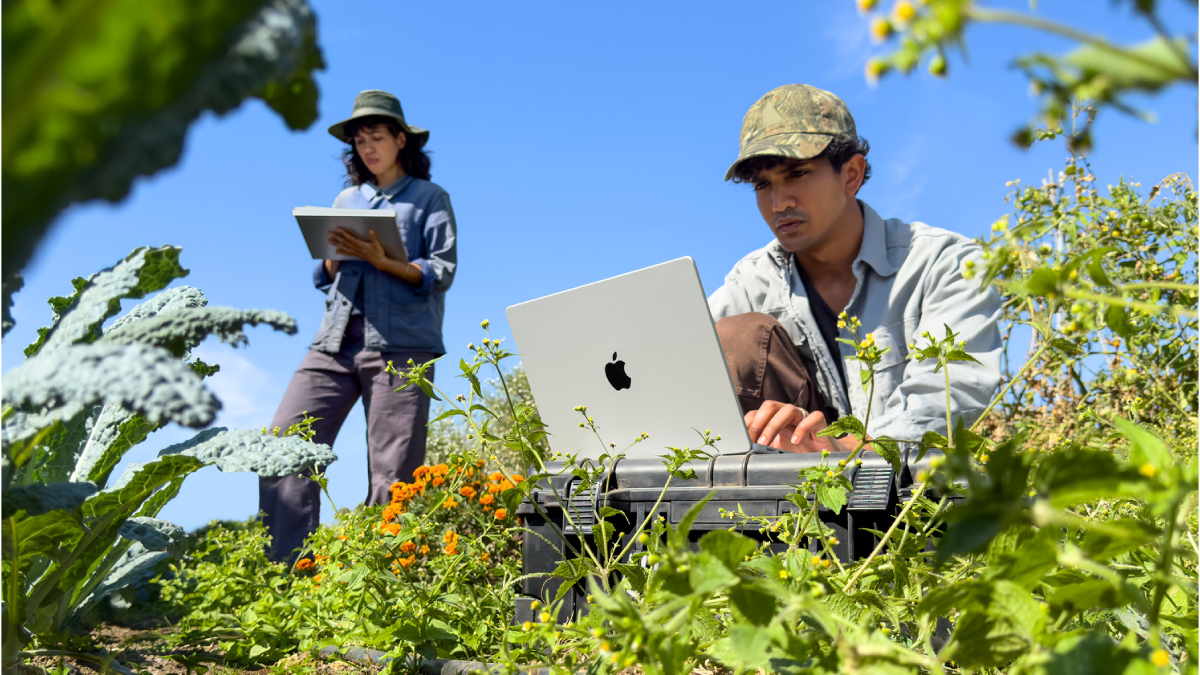
Apple’s hardware focus put high-performance computing back under the spotlight, reiterating that even as lightweight gadgets multiply, the desk remains the heavy-lifting command centre.
The debut of the 14-inch MacBook Pro and refreshed 24-inch iMac arrive with Apple’s M6 processor, fabricated on a 2nm-class node. The headline architectural shift is a Dual 16-core Neural Engine designed to run multi-billion parameter local models without routing queries to cloud servers. Flanked by Thunderbolt 5 support, Apple rates the 14-inch model at up to 24 hours of continuous video playback.
The bigger surprise is the display: Apple introduced a tandem OLED panel (branded as PROLED XDR) featuring direct touch support and a macOS-integrated Dynamic Island.
For years, Steve Jobs famously resisted touchscreens on Mac notebooks, calling vertical touch surfaces ergonomically terrible and arguing that after extended use your arm wants to fall off. Adopting touch now—detailed in our breakdown of how Steve Jobs said this laptop would never exist: 5 MacBook Pro PROLED XDR breakthroughs—is an acknowledgment that users raised on tablets and Windows touch laptops expect tactile glass.
It also creates a dilemma for Apple’s own Pro line: with a touchscreen, pencil interaction, and an OLED panel on the MacBook Pro, the functional distinction between an iPad Pro and a Mac laptop has narrowed significantly. The company’s ultra-premium hardware bets have not been without friction either, as examined in our report on how the iPhone Duo screen damage controversy is testing buyer patience over whether extreme Rs 3-lakh form factors justify mechanical vulnerabilities.
The Ambient Frontier: Display-Free Audio and Lightweight Spatial Frames
While Apple concentrates compute power on the desk, other manufacturers are working to pull interfaces off glass displays altogether:
- Google & XREAL AURA XR Glasses: Co-developed on Android XR, the AURA frames weigh roughly 78 grams—avoiding the neck strain of traditional VR headsets. They project a 120Hz virtual desktop across the wearer’s field of view, relying on micro-sensors for 6DoF hand tracking and Gemini visual search overlays.
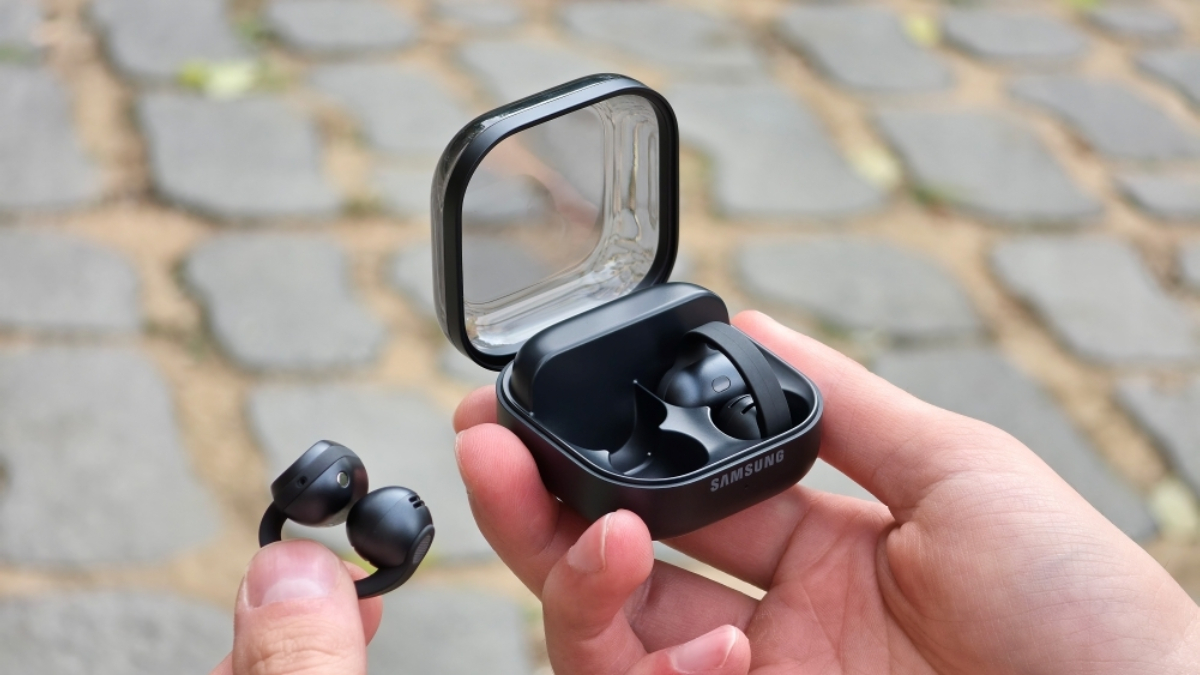
- Samsung Galaxy Buds On: Rather than sealing the ear canal with silicone tips to maximise active noise cancellation, Samsung adopted an open-ear clip-on design. As evaluated in our analysis of whether Samsung’s Galaxy Buds On takes on spatial awareness with AI, the earbuds deploy acoustic phase-cancellation tuning alongside hands-free Gemini Live to let wearers stay ambiently aware of city streets without leaking call audio to commuters.
Also this week:
- Amazon Echo Show 16: A wall-mounted ambient smart canvas designed for kitchen and entryway organization, pitted directly against Cupertino in our comparison of Amazon Echo Show 16 vs Apple HomeView.
- Logitech MX Master 4 Developer Edition: Adds a haptic feedback thumb wheel for terminal scrubbing and code-diff navigation.
- Wyze Bulb Cam Pan: Combines a 2K HDR pan-tilt security lens and an adjustable floodlight into an ordinary domestic lightbulb socket.
- Sony ECM-AX10: A pocketable dual-capsule spatial audio microphone that snaps onto mobile rigs via MagSafe or USB-C.
In Our Test Lab: Hands-on Verdicts
Back in our test lab, we spent the week evaluating two high-end devices attempting to justify premium retail prices in India.
Samsung Galaxy Tab S12 Ultra: Laptop Class Tablet
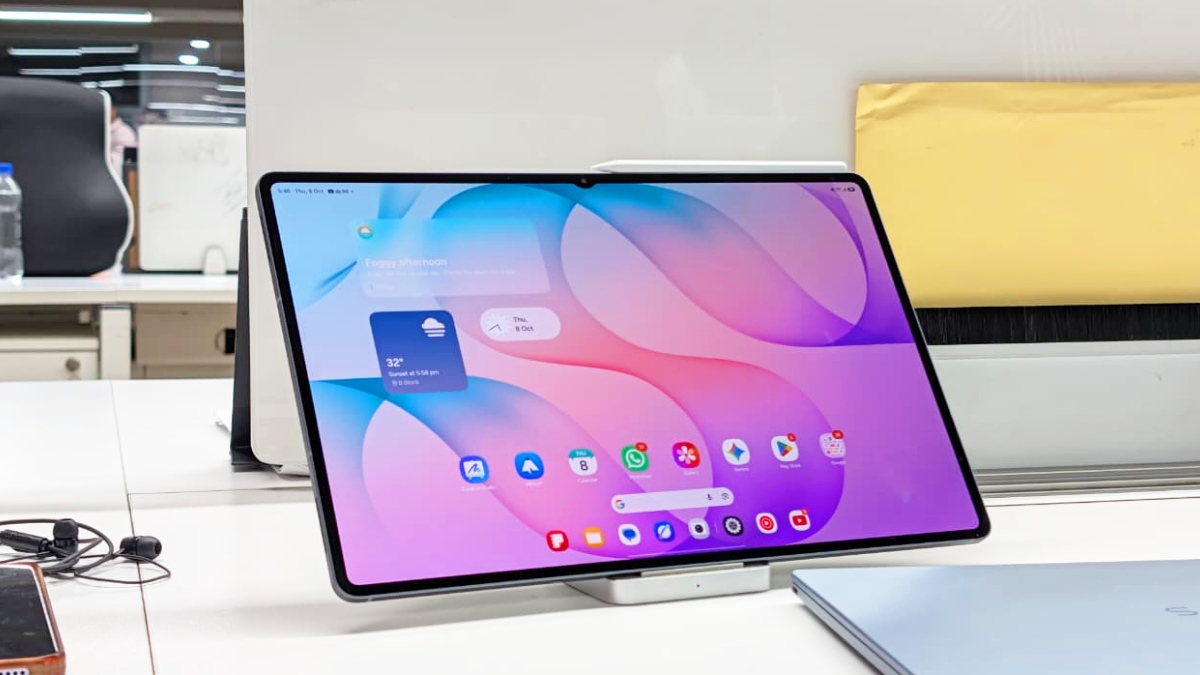
- The Verdict: In our full Samsung Galaxy Tab S12 Ultra review: Ultimate productivity tablet or expensive compromise?, we found that Samsung’s massive slate gets closer to desktop productivity than any Android tablet before it. But at a starting price well north of Rs 1.15 lakh, it directly challenges established ultrabooks.
- The Trade-offs: The 14.6-inch Dynamic AMOLED 2X panel and MediaTek Dimensity 9500 deliver unmatched canvas size, snappy multitasking, and close to 20 hours of local playback from its 11,600mAh battery. Samsung’s updated DeX interface handles window snapping and external peripherals cleanly. Yet the tablet’s sheer footprint makes it unwieldy on an economy tray table, and Android’s mobile browser limits still create workflow friction that a standard Mac or Windows laptop avoids.
Oppo Find X10 Pro Max: Real Optical Dividends, Heavy Footprint
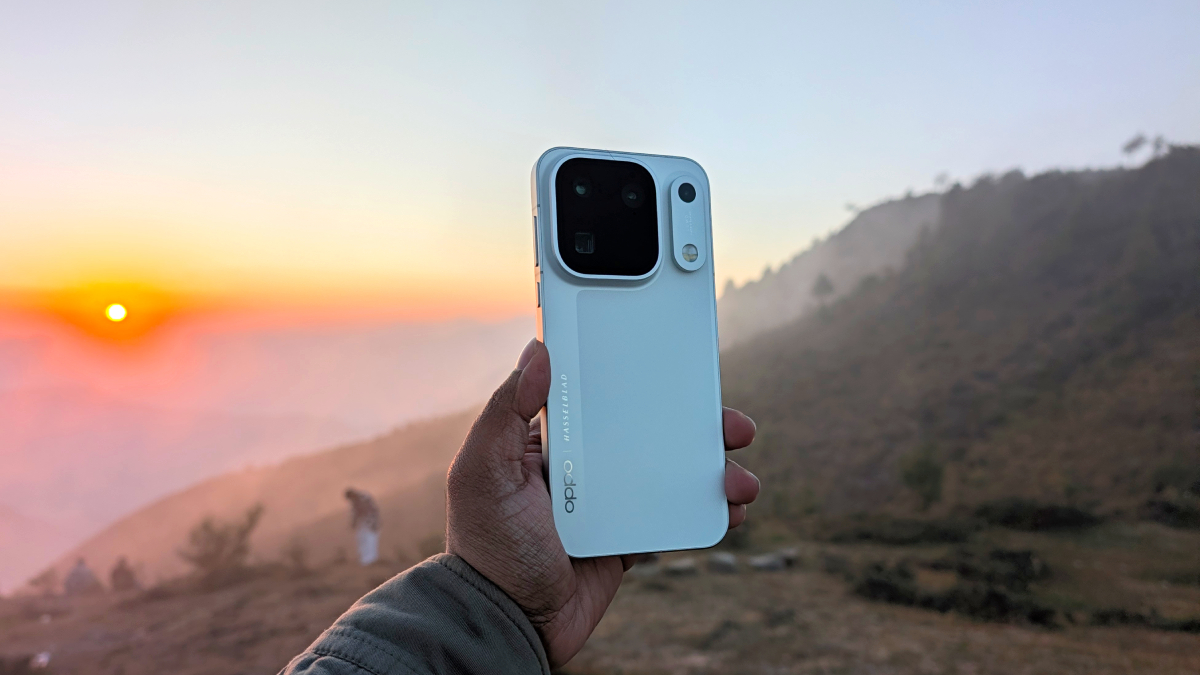
- The Verdict: As broken down in our Oppo Find X10 Pro Max review: Triple 200MP cameras steal the show, this is a legitimate telephoto powerhouse that delivers visible detail gains over software-tuned rivals—provided you can stomach a hefty 235g chassis and a luxury price tag approaching Rs 2 lakh.
- The Details: Oppo fitted 200MP sensors across all three rear focal lengths—primary wide, ultra-wide, and periscope telephoto—eliminating the image-quality drop when toggling between lenses. Backed by an enormous 8,000mAh silicon-carbon battery, the device sets a new ceiling for multi-day endurance in the ultra-flagship tier.
The AI Infrastructure Engine
Behind consumer devices, foundational AI platforms moved toward standardisation and local runtimes:
- OpenAI GPT-6 Architectural Details: OpenAI published early technical notes on GPT-6, stating that the model incorporates dedicated multimodal cross-verification layers intended to evaluate facts before generating output, which the company claims substantially curbs hallucinations.
- Opera WebAI: Opera submitted an open specification to the World Wide Web Consortium (W3C) called WebAI, aimed at providing browser-native APIs that allow web applications to run small language models on local client hardware without proprietary vendor extensions.
- Meta Infrastructure Purchases: Meta confirmed expanded hardware supply agreements with Nvidia and AMD valued at over $4 billion, securing GPU and accelerator clusters to train its next-generation open-weight Muse architectures.
- Domestic Enterprise Security: In India, Eternal (the parent company of Zomato and Blinkit) revealed internal pilot testing for Dark.ai, an end-to-end encrypted corporate assistant. Meanwhile, Indian enterprise CERT advisories highlighted urgent patches for remote code execution vulnerabilities affecting enterprise web infrastructure running unpatched PHP 8.x runtimes.
This Week’s Bottom Line
Apple is betting that the physical desk and high-performance local silicon remain indispensable for heavy lifting. Most others are betting that computing should dissolve into ambient rooms, open ears, and lightweight eyewear. Meanwhile, Anthropic’s filing is a reminder that wherever the software lives, on a desk’s OLED or in a pair of lenses, it still runs on very expensive compute