


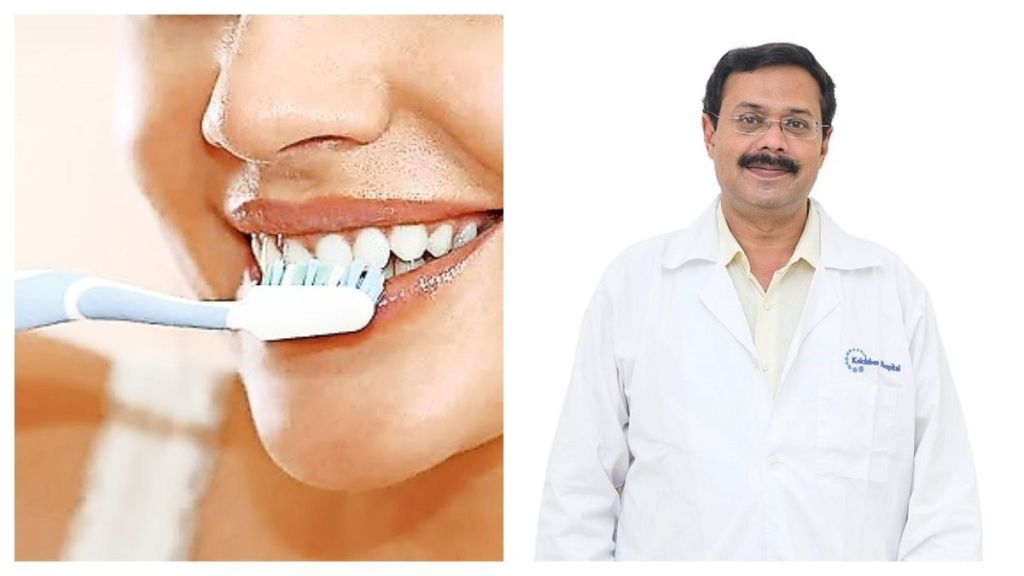

More than dental hygiene, there is increased focus on dental aesthetics and many toothpastes claim whitening powers. Can pastes actually whiten teeth? Dr Rajesh Koppikar, consultant, dental surgery, Kokilaben Dhirubhai Ambani Hospital, Mumbai, says: “Whitening toothpastes do make teeth look brighter, but there is a limit to what they can do. What they are removing is surface staining from things like coffee, tea, tobacco, and certain foods, using mild polishing ingredients that work during regular brushing.
Nowadays we also have a purple toothpaste in the market which works as optical brightener and these can instantly colour-correct the yellow tones of teeth. These toothpastes are gentle enough for everyday use. However, deeper stains which are within the tooth are beyond what these products can reach. Anyone looking for results that go further than that would need to speak to a dentist about peroxide-based options.”
Do home remedies work, like salt, baking powder-vinegar etc, and are they safe?
Home remedies for teeth whitening are popular, but not all of them are as harmless as they seem. Baking soda-based toothpaste can do something useful for surface stains, though a proper dental product is always the more reliable choice over anything homemade. Vinegar and acidic ingredients are ones to stay away from, as regular contact with teeth gradually wears the enamel down. Salt and rough scrubs can cause damage too if someone goes at it too hard. Natural does not automatically mean safe for dental use.
How often is dental cleaning recommended for plaque control?
Most people visit the dentist every six months without giving it much thought, but that interval is not backed by strong evidence as the ideal for everyone. The right frequency really depends on the person, how fast plaque and tartar accumulate, and how prone they are to gum disease. What holds true for just about everyone, regardless of how often they see a dentist, is brushing twice a day and cleaning between teeth to stay on top of plaque.
Is dental cleaning safe for enamel?
Dental cleaning done by a qualified professional is safe, and it does something brushing at home simply cannot, which is removing the hardened tartar that builds up over time. A lot of people worry that scaling wears the enamel down or thins the teeth, but that is not how it works. The instruments used are designed to clear deposits off the surface without damaging it. Some sensitivity after a cleaning session is possible, especially for those who already have gum recession or exposed roots, but it tends to settle.
Is plaque harmful or merely an aesthetic concern?
Plaque is something that forms on teeth constantly, and it is far more than just a cosmetic concern. The bacteria in that sticky film are what lead to tooth decay and gum trouble over time, causing the kind of redness and bleeding that people often dismiss as normal. When plaque is not cleared away regularly it hardens into tartar, and at that point brushing is no longer enough to deal with it. That is where the risk of gum disease starts to grow, which is exactly why daily brushing and cleaning between teeth matter as much as they do.
Disclaimer: The information in this article is for educational and informational purposes only and is not intended as medical advice. While the author has incorporated expert medical guidance while producing the story and ensured full authentic information is provided to the reader, you should always seek the advice of a qualified healthcare provider regarding a medical condition or treatment. Never disregard professional medical advice or delay in seeking it because of something you have read here.