



Delhi-based communications professional Ishita Gupta (52) has switched two gyms in one year. Her previous one had limited hours, was closed on all holidays and offered basic machines, plus a bad AC system. The new gym she has joined offers zumba, yoga, pilates, consultations, a 17-hour day, and is open even on national holidays. There are parties on all festivals and even a gym anniversary dinner.
Gupta’s experience highlights the state of India’s rapidly expanding fitness industry. While more Indians are joining gyms than ever before, expectations have also evolved far beyond mere treadmills and weight machines. Today’s consumers demand flexible schedules, expert coaching, multiple workout options and a sense of community. To keep members coming back, fitness brands are redesigning their business models around convenience and personalised wellness rather than selling memberships.
“We’re seeing a fundamental change in member behaviour. People are no longer walking in for casual workouts. They want structured, professional experiences,” says Vikas Jain, MD, Anytime Fitness India, which operates over 170 clubs across the country. “Members are more aware and committed, but they expect higher-quality coaching, better-trained professionals and flexible access than ever before,” he says.
To meet these expectations, gym chains are including functional workouts, mobility sessions, strength circuits, recovery programmes and hybrid fitness formats.
FITPASS has built its business entirely around flexibility. Instead of opening its own gyms, the company aggregates access to more than 8,100 fitness centres across 573 cities, allowing subscribers to workout wherever they are, even while travelling. Co-founder Akshay Verma says they also offer AI-powered workout coaching, nutrition planning, teleconsultations, virtual workouts and discounts on diagnostics and pharmacies. The company says the model has helped it achieve a 78% customer retention rate, significantly higher than the industry average of about 25%.
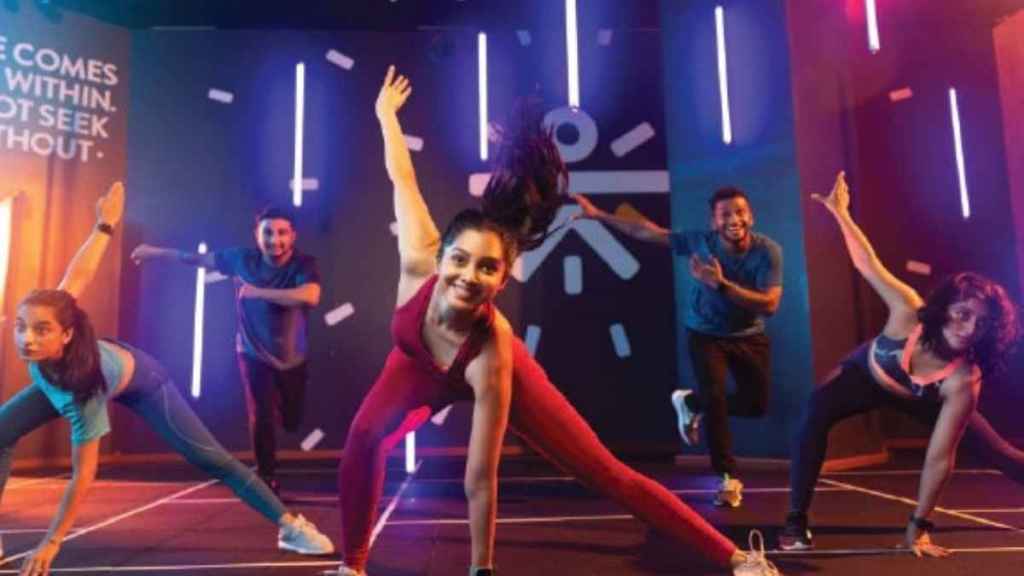
Cult.fit has expanded beyond conventional gyms with premium boutique studios such as Pilates Circle, new-format neo gyms and community-led initiatives like Ninja and Clubs to motivate members via social engagement. Mujtabha Magrey, COO and head of fitness services at Cult.fit, says the company, which operates more than 700 centres across 60 cities, has recorded around 30% year-on-year growth over the past five years while building a community of one million active users. It also expects adjacent markets, including fitness equipment and apparel, to expand rapidly over the coming years.
International chains entering India are adapting to these changing preferences. US-based Crunch Fitness, which opened its first Indian club in Noida last year, is introducing recovery-focused services such as infrared saunas and red-light therapy. “Our operational model includes flexi-hour programmes, personalised training slots and round-the-clock access in select centres. The goal is to make fitness fit into people’s lives,” says Nikhil Kakkar, CEO of Crunch Fitness India.
Australian-born global fitness brand Jetts Fitness, which opened its first Delhi club this year, is following a similar strategy by introducing boutique fitness formats including Hyrox, Les Mills and Reformer Pilates. “The bigger draw today is community-being part of a fitness tribe,” says Rahull Raghuvanshii, managing director of Jetts Fitness India.
As brands invest in digital tools and professional coaching, the industry’s next wave of growth is expected to come from smaller cities. According to Deloitte, the rest of India is projected to grow faster than metropolitan markets, with a 12% CAGR. Cult.fit estimates that half of India’s fitness revenues now originate outside the country’s top six cities (Bengaluru, Hyderabad, Delhi-NCR, Mumbai, Pune, Chennai), and plans to deepen presence across the top 100 cities in the next 2-3 years, while Anytime Fitness reports strong momentum from cities such as Dehradun, Ranchi, Indore, Jaipur and Pune. FITPASS says users in Tier-II and Tier-III cities now complete, on average, more than 12 workouts a month, surpassing users in several metros.