


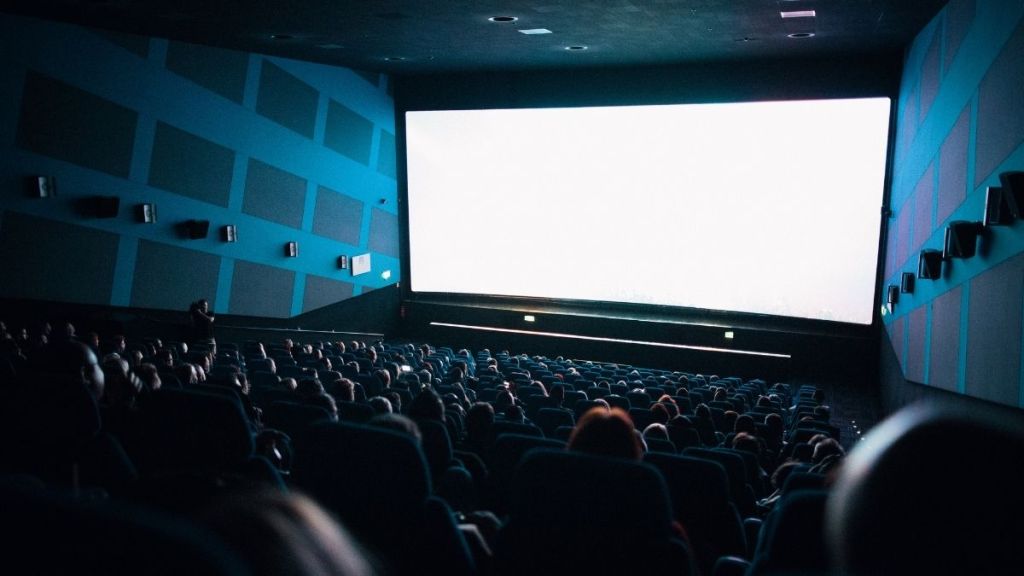

If film releases in the remaining part of the year perform as per expectations, 2026 will be the first year in Indian cinema’s history to cross box-office revenues of Rs 15,000 crore.
As per Ormax Media, the Indian box office stood at Rs 9,868 crore between January and August 2026, up 18% from the same period last year. Footfalls grew 5% in the first half, after three years of being flat or declining. Films released between September and December last year grossed around Rs 5,000 crore at the Indian box office.
Ashish Misra, head of commercialisation, Cinépolis India, said the industry expects this year’s festive months to reflect a growth of 10-15% to Rs 5,500-5,750 crore. “If festive releases perform the way they’re expected to, a 10-15% increase over last year is doable,” hoped Misra. “If the collections land in that range, 2026 will be the first year the Indian box office crosses Rs 15,000 crore.”
The box-office success of Dhurandhar: The Revenge, Spiderman: Brand New Day, Border-2 and Hanuman Ansh, which has crossed Rs 400 crore in worldwide box-office collections, has set the tone for the rest of the year for the Indian film industry.
Ramayana, set to release on November 6, two days ahead of Diwali, is projected to earn over Rs 100 crore on opening day.
Director Nitesh Tiwari’s two-part epic drama, made with an estimated budget of Rs 4,000 crore, is set to take faith-led storytelling to a much larger scale this year. “Mythological and epic content has returned as a genuine category, not a one-off, and it is performing consistently well across all markets,” said Sameer Munshi, COO, Miraj Entertainment.
“Ramayana is anticipated to be a very strong film. Almost everyone in India has grown up with this story, and when you take something that is familiar and put it on the scale the makers have promised, it becomes an event,” said Misra of Cinépolis India. The story of Ram releasing on Diwali makes the timing even more special. “It works as an event film and a family film at the same time, and you don’t often get both in one film,” added Misra.
“The scale will bring in younger audiences who want to see it on the biggest screen they can find. Stories rooted in faith and mythology bring families to cinemas in big numbers, from Mahavatar Narsimha to Hanuman Ansh. Ramayana has that pull, and the scale on top of it,” said Misra.
But this year’s festive season has more to it. A strong pipeline of big-ticket releases includes Drishyam 3: The Conclusion, which grossed Rs 409.43 crore worldwide (as on October 10), Jailer 2, Avengers: Doomsday, Dune: Part Three, King and Jumanji: Open World.
Cinema exhibitors say a succession of blockbusters can lift not just footfalls but also ticket prices, premium-format occupancy, food and beverage sales and advertising revenue. “The festive quarter has a strong and varied line-up at PVR INOX, with films across languages, genres and formats,” said Sanjeev Kumar Bijli, executive director, PVR INOX. The mix is important for multiplexes as large-scale titles will drive premium-format sales. “Many films have established audiences or popular franchises and are naturally suited to the big screen. They also lend themselves well to premium formats such as IMAX, 4DX, ICE and SCREENX,” said Bijli.
The releases are spread across multiple holiday windows rather than a single Diwali weekend. “The festive season isn’t one big Diwali weekend anymore. This year it’s big films back to back for four months. People come in bigger groups, they book earlier, and with the holidays a lot of weekdays start behaving like weekends,” said Misra.
The three biggest Indian bets are Ramayana, Jailer 2 and King. Ramayana arrives at Diwali, Jailer 2 gets the Dussehra window, while King opens during Christmas week. The scale of the productions is also huge. Jailer 2, made with a budget of Rs 250-350 crore, is one of the most anticipated action-comedy films in Tamil, directed by Nelson Dilipkumar, bringing back superstar Rajnikanth as retired jail warden ‘Tiger’ Muthuvel Pandian, who faces an international crime network and underworld rivals threatening his family and legacy. King, written and directed by Siddharth Anand, stars Shah Rukh Khan, Deepika Padukone and Suhana Khan. Made with Rs 350-crore budget, it is centred around a seasoned mentor-gangster who protects and trains his young protégé as she navigates a dangerous path of survival and revenge.
At Miraj Entertainment, the festive quarter accounts for 35-38% of annual footfalls, according to COO Sameer Munshi. “We are projecting footfalls to grow by 15-18% as compared to the same quarter last year, driven largely by the stronger and better-spaced content calendar. On revenue, we expect an even sharper uptick of 15-20% compared to last year, aided by a higher average ticket price and a rise in spend per head, both of which tend to climb during the festive season as premium formats see greater occupancy and audiences spend more on F&B.”
Major festive releases (during Diwali, Christmas) see higher average ticket prices for regular multiplex slots and premium formats like IMAX or 4DX, while Navratri special menus or experiential in-cinema concepts add to the cinema-going experience.
“This year’s content calendar is stronger than last year’s, with more films and more variety, spread across four festive peaks instead of one, while franchise sequels and Hollywood tentpoles are adding to the kitty. Studios are also front-loading franchise sequels into the festive window, since known IP tends to perform more predictably in a crowded quarter. At the same time, large-scale Hollywood titles and regional releases broaden the catchment. Studios are also front-loading franchise sequels into the festive window, since known IP tends to perform more predictably in a crowded quarter,” said Munshi, expecting double-digit growth in spend per head on F&B, driven by demand for gourmet and regional food offerings during major weekends.
Miraj is expanding its premium proposition, with more Signature all-recliner screens and a second IMAX screen under fit-out stage. “The opportunity is not simply to have more films, but to offer the right mix of content and experiences. A strong theatrical calendar brings together different audiences and gives every film the opportunity to find its space,” said Bijli of PVR.
Advertising, Munshi says, on-screen and in-cinema advertising rates and volumes typically rise 8-10% during the festive period as brands align spending with major releases and higher footfalls.