


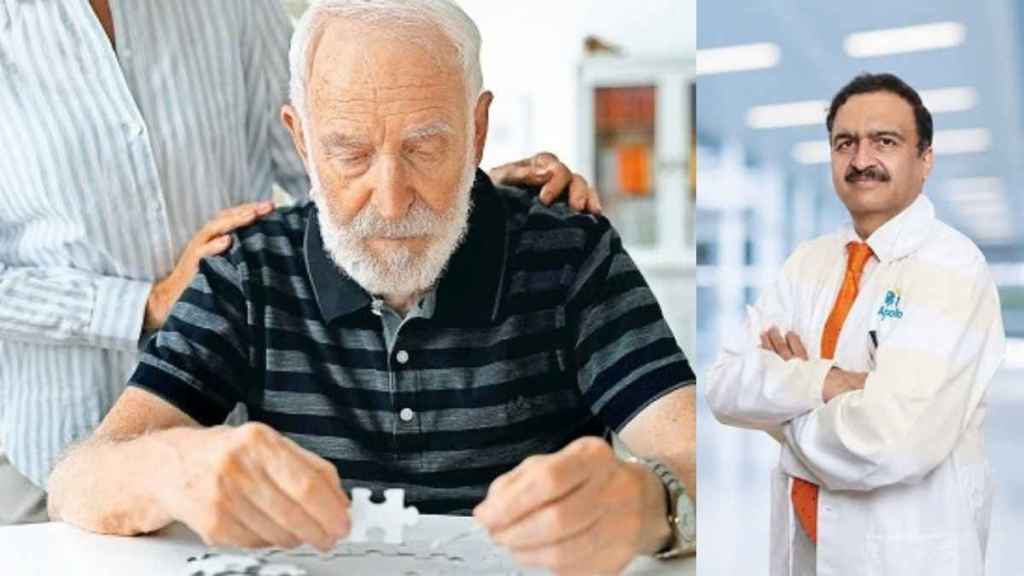

A recent study says India’s dementia burden will double by 2036. Is that more to do with demographics of an ageing population, or the actual disease manifesting more? Dr Vinit Suri, senior consultant, neurology, Indraprastha Apollo Hospital, Delhi, says: “The rise is likely to be driven substantially by India’s ageing population. Dementia becomes more common with advancing age, so as more people live into their 60s, 70s and beyond, the overall number of people living with dementia is expected to increase.
This does not necessarily mean that dementia itself is becoming more common at every age. It is important to distinguish between a rise in the number of people affected and an increase in the age-specific risk of developing the disease. Other factors, including vascular risk factors such as high blood pressure, diabetes, obesity, smoking and physical inactivity, can also influence the overall burden.”
Is dementia a surefire consequence of Alzheimer’s?
No. Alzheimer’s disease and dementia are related, but they are not the same thing. Dementia is a clinical syndrome involving problems with memory, thinking, communication or everyday functioning, while Alzheimer’s disease is one of the conditions that can cause it. Alzheimer’s is the most common cause of dementia, but dementia can also result from vascular disease, Lewy body disease, frontotemporal dementia, Parkinson’s disease and other neurological or medical conditions. Therefore, having Alzheimer’s disease does not mean that every person will develop the same degree or pattern of dementia.
Is it just an old person’s disease, or can young people also be affected? What are the risk factors?
Dementia is much more common with increasing age, but it is not exclusively a disease of older people. Younger-onset dementia can occur before the age of 65, although it is considerably less common. In younger people, the causes can differ and may include certain forms of Alzheimer’s disease, frontotemporal dementia, genetic conditions and other neurological disorders.
Risk increases with age, but it is also influenced by factors such as high blood pressure, diabetes, high cholesterol, obesity, smoking, excessive alcohol use, physical inactivity, hearing loss, depression and social isolation. A family history can also be relevant, particularly in some uncommon inherited forms of dementia. Having a risk factor does not mean that a person will necessarily develop dementia.
Is dementia preventable, or controllable?
Not all cases of dementia can be prevented, particularly when age, genetics or certain underlying neurological diseases are involved. However, several risk factors can be modified, and addressing them can help reduce the risk or potentially delay cognitive decline. Keeping blood pressure, blood sugar and cholesterol under control, staying physically active, avoiding smoking, limiting alcohol, maintaining a healthy weight, getting adequate sleep and staying socially and mentally active are important parts of brain health.
Hearing and vision problems should also be addressed rather than left untreated. Once dementia develops, the focus shifts to identifying the underlying cause, managing symptoms and treating conditions that may worsen cognitive function. Early assessment is useful because some causes of cognitive impairment can be treated or improved, while appropriate care and support can help a person maintain independence for longer.