


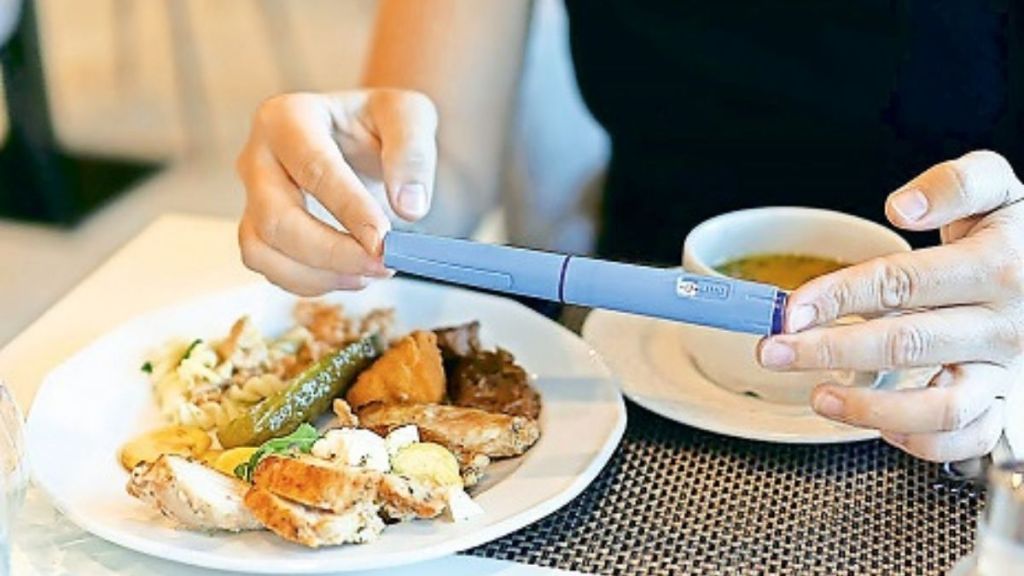

With generic and far cheaper versions of glucagon-like peptide-1 (GLP-1) agonists breaking into the market, health experts anticipate a growing adoption of the weight-loss drugs in the near future. With it, they add, the market for dietary protein products is also set to expand. This is because adequate protein intake is essential during GLP-1 therapy to help prevent lean muscle loss, maintain metabolism, and support steady energy levels amid a loss of appetite.
This also assumes significance in a country like India, where protein intake is already lower than normal. According to experts, the ideal protein intake for a person is 0.8-1 gm per kg of body weight daily, at a minimum. A recent study by the think tank Council for Energy, Environment and Water (CEEW), however, found that the average protein intake of an Indian adult is 55.6 gm.
According to Dr Tarun Mittal, vice-chairperson, laparoscopic and robotic bariatric surgeon, Sir Ganga Ram Hospital, New Delhi, protein supplements in pill or medicine form are very likely to appear in the market in a few years, if not months. “With GLP-1 drugs reducing appetite and meal volume, the supplement market may move beyond bars and shakes to include medicalised protein formats – chewables, compact protein tablets, protein shots, amino-acid sachets, collagen/peptide formulations, and fortified multivitamin-like packs,” he says. However, Dr Mittal says that the low dosage in pills may pose an issue. “An adult often needs 60-90 gm protein per day, and this cannot be practically delivered through a few tablets,” he says.
Dr Richa Chaturvedi, senior consultant, endocrinology, Indraprastha Apollo Hospital, in New Delhi seconds this. “Protein is required in relatively larger quantities compared to vitamins; so a true ‘pill format’ may remain limited in its ability to deliver meaningful amounts,” she says. Nevertheless, she expects the category to grow. “The category is likely to evolve toward more convenient, portion-controlled formats such as concentrated liquids, gels, or sachets that align with changing consumption patterns and preferences,” she adds.
Speaking about the possible cons of protein pills or tablets, Dr Jasjeet Wasir, director, endocrinology and diabetology, at Medanta Medicity, says many patients on these drugs already were under-consuming protein. “Due to their reduced food intake, their protein intake may further go down to precipitously unhealthy levels, despite substantial weight loss,” he warns. Experts recommend higher protein intake for people on GLP-1, “typically in the range of 1.0-1.6 gm per kg of body weight per day to help preserve muscle mass during weight loss”, as per Dr Wasir.
The Carbamide Forte protein chewable, which can be purchased from Amazon, priced at a little over Rs 2,000, contains 12 gm of whey isolate protein per scoop and 18 amino acids. However, pharmaceutical companies like Zydus Lifesciences, Alkem, and Dr Reddy’s, all of whom launched their own versions of semaglutide, are currently not looking at launching any such pills or tablets in the near future.
Evolving category
Meanwhile, protein supplements in dietary formulations are already seeing a growing demand on e-commerce platforms. “Sports nutrition on Amazon India has grown 35% YoY, but what’s more interesting is how the category is evolving. It’s moved from being fitness-focused to becoming a mainstream wellness and nutrition category,” says Nishant Raman, director, everyday essentials, Amazon India.
Seshu Kumar Tirumala, chief operating officer of Bigbasket, agrees: “The protein and supplements category in India has shifted from a niche sports-nutrition market in 2021 to a mainstream wellness category in 2026.”
On Amazon, whey protein accounts for a significant share, growing 40% YoY. “But the real shift is in convenience-led formats. Protein bars and ready-to-drink products have grown over 6 times YoY on Amazon India, making them the fastest-growing subcategory within sports nutrition. Plant and yeast proteins have grown 45% YoY, reflecting growing consumer interest in alternative protein sources,” says Raman. “Formats like protein bars, RTD shakes, gummies, and melts are growing rapidly because they fit into everyday life. Newer formats like performance boosting melts and vitamin gummies are seeing strong early traction, particularly as they expand beyond metros into smaller towns,” he adds.
Wellness brands are also increasingly exploring plant-based protein formulations, particularly hemp seed protein, which is now gaining attention as an alternative protein source. As for Bigbasket, the protein supplements category grew 15X over the last five years and 4.7 X over two years. “The CAGR over the past five years has been 70%. Protein snacks have seen a growth of 300%, protein yogurt nearly 280%, and protein shakes 225% over the last year,” adds Tirumala. Other q-commerce platforms like Instamart, Zepto and Flipkart, also have a wide selection of protein supplements on offer, across brands and formulations.
Impact on appetite
While there has been talk on the therapy’s impact on appetite, in case of the average Indian, it is likely to be modest because GLP-1 medications are still largely confined to specific, relatively affluent segments of the population, according to Dr Wasir. “If prices drop and access broadens, GLP-1 use could grow among India’s large diabetic and overweight population — already millions of people with type 2 diabetes and obesity could become more noticeable at a subpopulation level,” he says. Dr Mittal also holds that an appetite drop will not reflect at a population level just yet. “But among users, appetite and calorie intake can fall substantially — some reviews describe calorie intake reductions up to 30-40% with GLP-1-based therapy.” Dr Chaturvedi echoes this opinion, saying, “For the overall population, the impact is expected to be gradual and limited in the near term, mainly because access is still evolving.”
Doctors say GLP-1 induced appetite suppression can be particularly risky for certain demographics. “Nutritional needs differ across groups,” says Dr Chaturvedi. “Older adults, women, and physically active individuals generally have higher or more specific protein requirements, so they may need to be slightly more mindful about maintaining adequate intake as eating patterns change.” Dr Wasir elaborates, “Older adults aged 60 years and above have a higher baseline risk of muscle loss and sarcopenia, and a reduced appetite can accelerate declines in strength and function; for women, especially postmenopausal, lower protein and micronutrient intake can worsen osteoporosis and frailty risk; appetite suppression makes it harder to achieve adequate quantity and amino acid balance for vegetarians and vegans; and low income groups who have lesser access to nutrition sources.” According to the report by CEEW, Indians from low income groups consume 1.5 times less protein than those in high incomes groups or residing in urban areas.
Supplements in use
Some low-bulk protein supplement products are already available, which do not give the full meal feeling, but that their “availability in India is patchy”, as per Dr Wasir. Essential amino acid or EEA tablets are also available. But they are low volume, and support muscle protein synthesis without a full meal feeling. Branched-chain amino acid or BCAA tablets are also there, which are more easily available in India, which again “is not a complete protein but can complement intake with minimal volume.”
Meanwhile, protein microshots, which are small volume liquids (often 30-60 ml) with 15-25 gm protein, and common in some Western markets, are beginning to appear in India, Dr Wasir adds.
Dr Chaturvedi adds, “There are already lighter-format options available, such as protein waters, hydrolysed protein supplements, and amino acid-based products which are designed to be less heavy and easier to consume, offering more flexibility.”
Disclaimer: The information in this article is for educational and informational purposes only and is not intended as medical advice. While the author has incorporated expert medical guidance while producing the story and ensured full authentic information is provided to the reader, you should always seek the advice of a qualified healthcare provider regarding a medical condition or treatment. Never disregard professional medical advice or delay in seeking it because of something you have read here.