


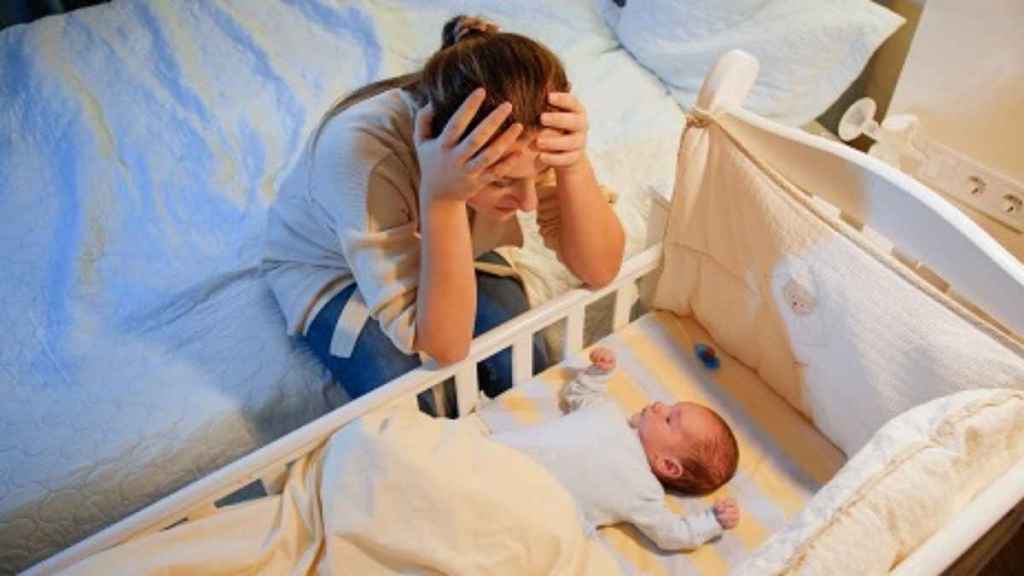

Postpartum depression is on the rise, and new research, published in the National Journal of Community Medicine (NJMC) in 2025, finds that older women have a higher prevalence of the potentially dangerous mood disorder, as compared to younger mothers. Recently, a 40-year-old Bengaluru woman was booked for the deaths of her three-month-old twin girls. She was reportedly struggling mentally for two-and-a-half months after the delivery of her twin babies, and had even attempted to take her own life after allegedly drowning the infants.
Far from home, in the US, the Lindsay Clancy trial, which started in June, stands in strong familiarity. In 2023, the Boston woman had allegedly killed her three children, in what her defence team argues was a case of severe postpartum psychosis.
These incidents have brought renewed attention to the often-overlooked mental health challenges faced by women after childbirth, with experts explaining why it’s important to understand the warning signs, and the importance of timely psychiatric care and routine mental health screening during pregnancy and after childbirth.
As per a National Mental Health Survey, 20% of expectant and new mothers in India experience sadness and anxiety, and one in ten Indians suffers from these conditions. Another study done by NIMHANS found that 44% of women get delayed psychiatric care, when suffering from postpartum depression.
Why it matters
“Postpartum depression (PPD) is a clinically significant form of depression that can develop during pregnancy or after childbirth. It is different from the temporary ‘baby blues’, which are common in the first few days after delivery and generally resolve within about two weeks,” explains Dr Preeti Rastogi, senior director and head of department, obstetrics and gynaecology, Medanta Gurugram. “Postpartum depression involves persistent symptoms such as sadness, hopelessness, excessive worry, irritability, loss of interest, difficulty bonding with the baby, changes in sleep or appetite, and feelings of worthlessness or guilt.”
Postpartum depression is relatively common, affecting approximately one in seven women around pregnancy and the postpartum period, as per Dr Rastogi. However, many cases may remain unrecognised because mothers may hesitate to speak about their emotional difficulties or may assume these feelings are simply part of adjusting to motherhood, she adds.
As per Dr Neelam Suri, senior consultant, obstetrics and gynaecology, Indraprastha Apollo Hospital, Delhi, PPD can affect a mother’s mood, sleep, appetite, energy and ability to cope with everyday activities and caring for the baby. Postpartum depression is relatively common and can affect many women after childbirth. “It can develop within the first few weeks after delivery, but symptoms may also appear later,” she explains.
“Not every mother with postpartum depression will appear visibly sad. Some may seem unusually irritable, anxious, withdrawn or overwhelmed,” as per Dr Suri, “Other signs can include difficulty making simple decisions, feeling inadequate as a mother, frequent crying, changes in sleep or appetite, or feeling emotionally numb. Because some of these changes can look like a normal response to having a newborn, they may be overlooked,” she adds.
It’s often overlooked
Dr Suri says that there is no single cause for the onset of postpartum depression — it could be a combination of a number of biological or psychosocial factors that may contribute to it. “Hormonal changes after delivery, lack of sleep, physical discomfort or a difficult recovery can add to emotional stress. Breastfeeding difficulties, feeding concerns and the constant demands of caring for a newborn can also make this period harder. Limited support at home, financial or relationship stress, or feeling isolated can add to the strain,” she adds.
Common symptoms include persistent sadness, anxiety, irritability, loss of interest, exhaustion, changes in sleep or appetite, difficulty concentrating and feelings of guilt or worthlessness.
“If a mother repeatedly says that she cannot cope, feels hopeless, believes her family or baby would be better off without her, or expresses thoughts of harming herself or the baby, these should be treated as urgent warning signs and not dismissed as normal postpartum stress,” warns Dr Rastogi. “If these feelings are severe, persist beyond two weeks, interfere with daily functioning, or are accompanied by hopelessness, intense anxiety or thoughts of self-harm, medical evaluation is important. Mothers should also understand that experiencing difficult emotions does not make them bad mothers,” she adds.
Physical warning signs such as very heavy bleeding, severe breathlessness or chest pain, seizures, high fever, severe headache with visual disturbances, or sudden neurological symptoms also require urgent medical attention, with severe symptoms indicating postpartum psychosis. “These include thoughts of suicide or self-harm, thoughts of harming the baby, severe confusion or disorientation, hallucinations, delusions, extreme agitation, or behaviour that appears markedly different from the woman’s usual personality,” Dr Rastogi adds.
How it can be treated
Dr Suri says that treatment options would differ depending on the severity of symptoms of the patient, how long the symptoms have been present, how much of an impact they have on the patients’ daily lives and if they pose any significant safety concerns to themselves or the people around them.
“For milder symptoms, counselling or psychotherapy may be recommended. For moderate or severe depression, medication may be considered, sometimes along with therapy. The choice is individual and takes into account the mother’s symptoms, medical history, previous treatment and breastfeeding status,” she says.
She notes that being in the breastfeeding stage does not automatically rule out treatment – a misconception many harbour. “Several medicines can be used during breastfeeding when appropriate, but the choice and dose should be discussed with the treating doctor so that both the mother and baby are considered,” says Dr Suri.
Many antidepressants can be used during breastfeeding when clinically indicated, but the choice and dosage should be individualised by the treating doctor. “Mothers should not stop breastfeeding or discontinue prescribed medication without discussing it with their healthcare provider,” adds Dr Rastogi.
Stigmas & misconceptions
The most important message is that postpartum mental health concerns are medical conditions and not a reflection of a mother’s ability or love for her child. Early recognition and appropriate treatment can make a significant difference to the health and wellbeing of both mother and baby.
As per the NJMC study, psychosocial support programmes, patient education, multidisciplinary treatment teams, crisis management techniques, and public health campaigns should be initiated. The study also details scope for research and discourse on the subject, saying that further research on the topic should include the standardisation of tools and guidelines.
“Key strategies for conducting research in underrepresented areas involve building community partnerships, addressing cultural barriers with culturally sensitive approaches, developing targeted recruitment plans, prioritising community engagement, and actively including diverse research teams to better understand the unique needs of underrepresented populations, all while ensuring ethical practices and respecting the involved communities.” Dr Suri points out that a previous history of depression or other mental health conditions can increase the risk, “but postpartum depression can also occur in women who have never experienced a mental health problem before. Childbirth brings major physical, hormonal, emotional and lifestyle changes. A mother may, therefore, develop symptoms even when the pregnancy was healthy and there were no earlier concerns.” Therefore, families and caregivers should not expect new mothers to sail smoothly across the first few months to a year of motherhood, even if they had not been diagnosed with mental health issues before.