


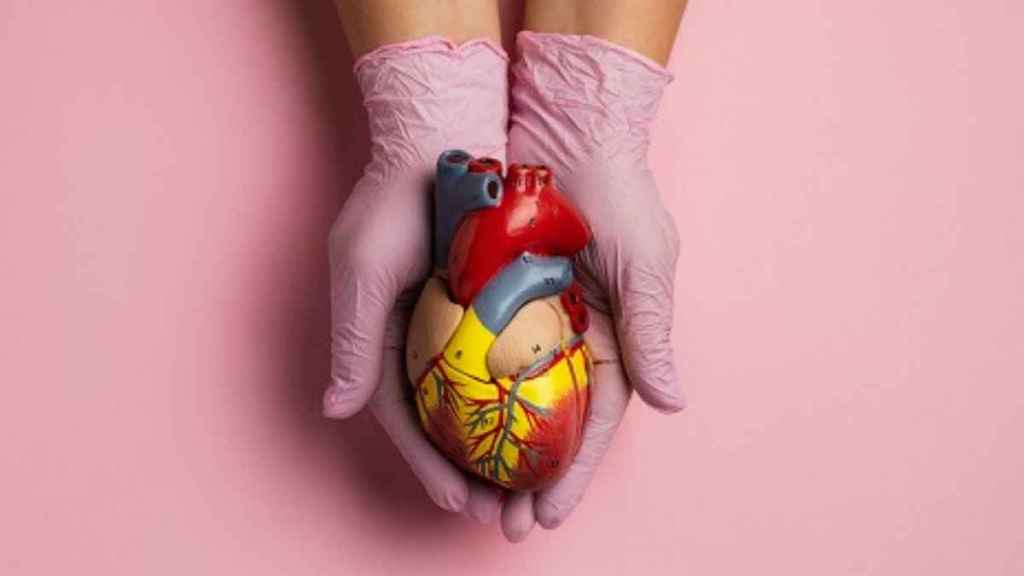

For years, body fat has largely been viewed through the lens of appearance and weight. But doctors say where fat accumulates may matter just as much as how much a person weighs. Beyond the visible fat stored beneath the skin, the body can accumulate fat deep inside the abdomen and around vital organs including the liver, pancreas, heart and kidneys. Known as visceral and ectopic fat, these deposits can remain invisible for years while contributing to insulin resistance, inflammation, diabetes, cardiovascular disease and other chronic conditions.
The problem is particularly relevant in India, where metabolic complications can develop at relatively lower body mass index (BMI) levels. A person who does not appear obese, therefore, may still carry a significant amount of metabolically harmful abdominal or organ fat, say doctors. “A person does not necessarily have to look obese to have excessive visceral fat,” says Dr David Chandy, director of endocrinology and diabetology at Sir HN Reliance Foundation Hospital, Mumbai. “This is particularly relevant in South Asians, who may accumulate abdominal and ectopic fat and develop diabetes or cardiovascular risk at relatively lower BMI levels.”
Presence & problems
Doctors distinguish between several types of fat in the body. Subcutaneous fat is stored underneath the skin, while visceral fat is located deep within the abdomen, surrounding organs such as the liver, pancreas, kidneys and intestines.
There is also ectopic fat, which accumulates in places where large amounts of fat are not normally stored, including within organs such as the liver, pancreas and skeletal muscle. “Some fat is naturally present around organs and serves protective and energy-storage functions,” says Dr Sudeep Khanna, senior consultant, gastroenterology at Indraprastha Apollo Hospital, Delhi. “The concern arises when there is an excessive accumulation of visceral or ectopic fat in and around organs.”
An energy imbalance is one of the principal drivers. When calorie intake consistently exceeds the body’s energy requirements, excess energy is stored as fat. Physical inactivity, diets high in refined carbohydrates, sugary drinks, saturated fats and ultra-processed foods can encourage visceral fat accumulation.
But lifestyle is only part of the explanation. “Fat around organs cannot always be explained simply by a person’s lifestyle,” says Dr Amogh Dudhwewala, senior consultant, gastroenterology, gastro sciences, Medanta Noida. Genetics, age, ethnicity, menopause, poor sleep, chronic stress, hormonal conditions and certain medicines can also influence where fat is stored, he adds.
Similarly, Dr Chandy points to insulin resistance, hormonal disorders such as Cushing’s syndrome, menopause, chronic stress and inadequate sleep as factors that can influence fat distribution. The condition associated with metabolic risk factors is now commonly called metabolic dysfunction-associated steatotic liver disease, or MASLD.
But doctors say the liver is far from the only organ affected. Fat can accumulate around the heart in the form of epicardial or pericardial fat, within and around the pancreas, around the kidneys and intestines, and within skeletal muscle. Improvements in imaging technologies, including CT scan and MRI, have also made it easier to detect and study these deposits, says Dr Chandy. “Fat around organs is quite common, although how frequently it is found depends on the organ, the population being studied and the method used to detect it,” adds Dr Dudhwewala, noting that fatty pancreas is relatively common. Studies report estimates of roughly 10% to 30%, although the wide range reflects differences in diagnostic methods and the absence of a universally accepted threshold.
The presence of fat, however, does not automatically mean an organ is diseased. “The concern is, therefore, not simply the presence of a layer of fat, but whether excessive fat is contributing to inflammation, insulin resistance or changes in the function of the organ,” Dr Khanna says. This distinction is important because fat tissue is biologically active. Excess visceral fat can release free fatty acids, inflammatory substances and hormones that affect metabolism and blood vessels. “Visceral fat behaves almost like an endocrine organ,” Dr Chandy says. “Excess visceral and ectopic fat can promote insulin resistance, inflammation and metabolic disturbances throughout the body,” he explains.
Organs at risk
The liver is particularly susceptible to fat accumulation and remains the best-studied organ in this context. Initially, fatty liver can produce few or no symptoms. In some people, however, it can progress from fat accumulation to inflammation and fibrosis, or scarring. Advanced disease can eventually lead to cirrhosis, liver failure and, in some cases, liver cancer. But doctors stress that it should not be viewed only as a liver problem. “It is strongly associated with insulin resistance, type 2 diabetes, abnormal cholesterol and cardiovascular disease,” Dr Chandy says. The heart presents another important concern. Epicardial fat sits immediately adjacent to the heart and coronary arteries. Excessive or dysfunctional deposits have been associated with coronary artery disease, atrial fibrillation and heart failure. “There is no single organ that can be called the most vulnerable,” Dr Dudhwewala says. He notes that from a cardiovascular perspective, excessive visceral and epicardial fat can be particularly concerning.
The pancreas is another focus of increasing research. Excess fat in and around the pancreas has been associated with insulin resistance and impaired glucose metabolism, and may occur alongside obesity, metabolic syndrome and type 2 diabetes. Kidney fat also forms part of the wider metabolic picture. It has been associated with hypertension, insulin resistance and chronic kidney disease. In some gastrointestinal conditions, fat may also have a more specific role. Dr Dudhwewala points to “creeping fat” around the intestines, which can be seen as part of the disease process in conditions such as Crohn’s disease.
Challenging aspects
Visceral and ectopic fat often produces no obvious symptoms. “Many people have excess visceral or ectopic fat without knowing it,” Dr Khanna says.
Instead, the first clues may come from associated metabolic abnormalities: an increasing waist circumference, elevated blood pressure, high blood sugar, abnormal cholesterol or triglyceride levels, or fatty liver discovered incidentally during an ultrasound or other scan, he says.
Dr Chandy warns that people should not wait for symptoms before paying attention to metabolic health. High triglycerides, low HDL cholesterol, hypertension, abnormal liver enzymes and sleep apnoea can all indicate increased metabolic risk. When symptoms do occur, they may be caused by the condition associated with the fat rather than the fat itself. Tiredness, poor sleep, breathlessness, palpitations or abdominal discomfort, for example, may point toward broader metabolic or cardiovascular problems.
Dr Dudhwewala cautions that severe or persistent abdominal pain, jaundice, chest pain, fainting, gastrointestinal bleeding or sudden breathlessness require medical assessment. The long-term consequences can be serious. Uncontrolled metabolic risk can contribute to type 2 diabetes, cardiovascular disease, chronic kidney disease and progressive liver disease. Depending on the underlying condition, complications can include heart failure, advanced liver disease, pancreatitis or kidney failure. “Finding fat around an organ does not automatically mean that the organ is failing,” Dr Dudhwewala stresses. “The risk varies according to the amount and distribution of fat and a person’s overall health.”
Treatment & management
Doctors say there is generally no need to remove fat from around an individual organ. The priority is to address the metabolic factors driving its accumulation. Assessment may include waist circumference, blood pressure, blood glucose or HbA1c, cholesterol and triglyceride levels, liver and kidney function and, where appropriate, imaging.
For people with fatty liver, Dr Chandy says assessment should go beyond identifying fat on an ultrasound. In higher-risk patients, doctors may need to assess whether liver fibrosis is present, and where indicated, should advise elastography or specialist evaluation. Treatment typically begins with sustained lifestyle changes: improving diet, increasing physical activity, building or preserving muscle, getting adequate sleep and reducing excess alcohol intake. Weight reduction can be particularly useful for people who are overweight or obese. In people with MASLD, sustained weight loss can improve metabolic and liver outcomes, with greater reductions generally providing greater benefit when clinically appropriate. For some patients, medication for obesity or associated metabolic conditions may be considered. Metabolic or bariatric surgery can also be an option for selected people with significant obesity and related complications. Related conditions such as diabetes, hypertension, high cholesterol and sleep apnoea need to be treated rather than focusing on body fat alone.
Visceral fat is not necessarily permanent. It can respond to changes in diet, physical activity and overall metabolic health. Experts recommend a diet centred on vegetables, fruits in appropriate portions, whole grains, pulses, nuts and adequate protein, while limiting sugary drinks, refined carbohydrates, highly processed foods and excessive saturated fats. Exercise should combine aerobic activity with strength training.
Dr Dudhwewala recommends that adults generally aim for 150 to 300 minutes of moderate aerobic activity a week, or 75 to 150 minutes of vigorous activity, alongside muscle-strengthening exercises. “Sleep, stress management, avoiding smoking and moderating alcohol intake also matter,” says Dr Chandy. “Do not judge your metabolic health only by your body weight,” he advises.
For many people, waist circumference, blood pressure, glucose, lipid levels, fitness and the presence of conditions such as fatty liver may provide a more useful picture of metabolic risk than the number on the weighing scale. Ultimately, the goal is not simply to become lighter. It is to reduce harmful visceral and ectopic fat, preserve muscle, and protect the heart, liver, pancreas, and kidneys before silent metabolic problems become serious disease.
Disclaimer: The information in this article is for educational and informational purposes only and is not intended as medical advice. While the author has incorporated expert medical guidance while producing the story and ensured full authentic information is provided to the reader, you should always seek the advice of a qualified healthcare provider regarding a medical condition or treatment. Never disregard professional medical advice or delay in seeking it because of something you have read here.