


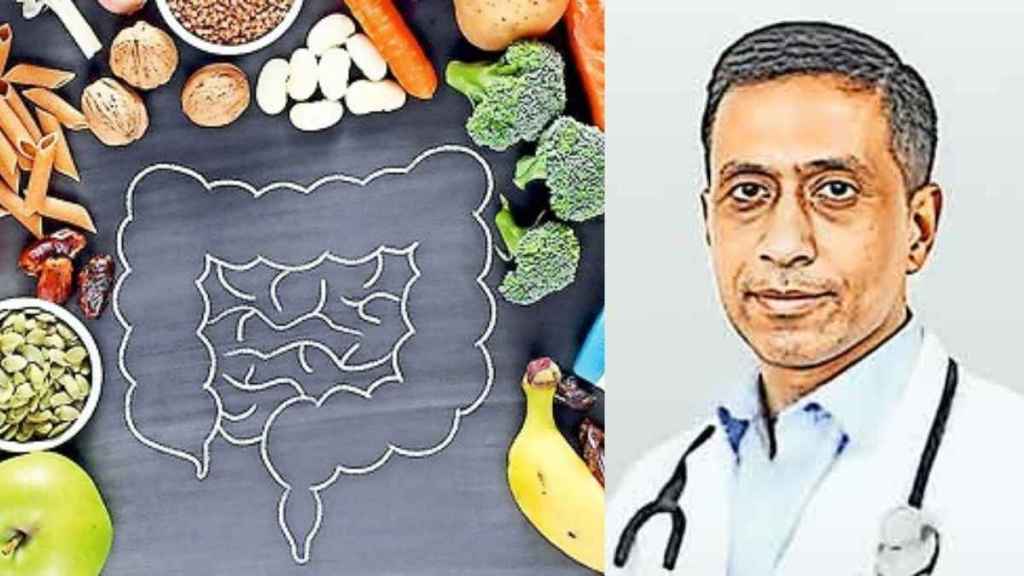

Several health influencers advise eating in a particular order: protein first, or fats first, carbs later for lower fat absorption. Does this have a scientific reason? Dr Sudeep Khanna, senior consultant, gastroenterology, Indraprastha Apollo Hospital, Delhi, says: “Eating foods in a particular order may influence the body’s blood glucose response after a meal. Consuming vegetables and protein before carbohydrate-rich foods can slow the rate at which glucose enters the bloodstream, particularly in people with diabetes or insulin resistance.
Protein, fat and fibre can influence stomach emptying and digestion, affecting how quickly carbohydrates are absorbed. However, eating fats first does not reduce the amount of dietary fat absorbed by the body. Fat is still digested and absorbed, irrespective of the order in which it is consumed. The overall composition of the meal, portion sizes and an individual’s metabolic health have a greater influence on the body’s response. For most healthy individuals, following a strict food sequence is not necessary.”
In any meal eaten at a particular point, food enters the stomach collectively. So does this advice make sense?
Food consumed during a meal mixes in the stomach, but digestion is a gradual process. The stomach churns food and releases it into the small intestine at a controlled rate, where most nutrient absorption takes place. Different nutrients influence this process differently. Protein, fat and fibre can slow stomach emptying, which may affect how quickly carbohydrates are digested and absorbed.
Eating vegetables or protein before carbohydrates can, therefore, influence the post-meal blood glucose response, even though the foods eventually mix in the stomach. The extent of this effect depends on the meal’s composition, portion sizes and the individual’s metabolism. Food sequencing can be a useful strategy for some people, but it does not override the importance of a balanced diet.
Indian diets usually mix everything up — dal, rice, roti, vegetable, salad. Are we missing out on any nutrition because of this?
Combining different foods in a meal does not generally reduce their nutritional value. Traditional Indian meals can provide a useful balance of carbohydrates, protein, fibre, vitamins and minerals. Dal supplies protein and fibre, rice and roti provide energy, and vegetables contribute essential micronutrients.
The nutritional value of a meal depends more on the variety and quality of foods consumed, portion sizes and overall dietary patterns than on whether foods are eaten separately or mixed together.
What is a bad combination of foods to be eaten together, and what is a good combination?
For most healthy individuals, there is no strong scientific evidence that commonly eaten foods become harmful simply because they are consumed together. Combinations such as dal and rice, roti and vegetables, or curd with a meal can form part of a balanced diet.
Some combinations offer specific benefits. Pairing iron-rich plant foods with vitamin C-rich foods improves iron absorption, while eating carbohydrates alongside protein and fibre may help moderate the post-meal rise in blood glucose.
Certain combinations can actually improve nutrient absorption. Vitamin C-rich foods, such as lemon, amla and tomatoes, help the body absorb non-haem iron from plant foods, including lentils and leafy vegetables. Combining cereals and pulses also helps provide a broader range of essential amino acids across the diet.
However, individual tolerance and medical conditions can influence food choices. People with lactose intolerance may experience digestive discomfort after consuming dairy products, while those with certain gastrointestinal or metabolic conditions may need individualised dietary advice.