


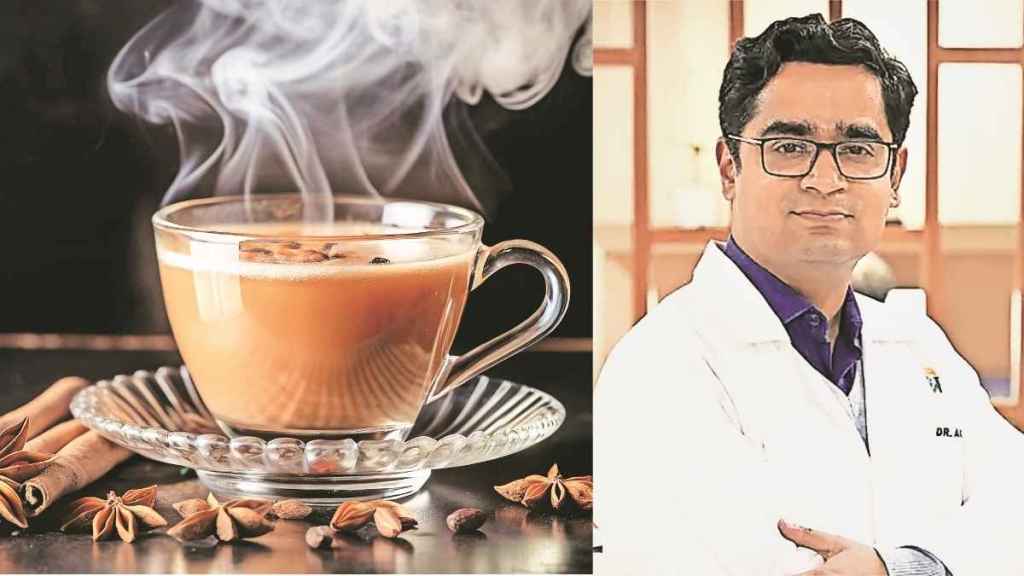

New research links very hot drinks to tripled risk of esophageal cancer. Dr Akshat Malik, senior consultant, head & neck oncology, Apollo Hospital, Delhi, talks of clinical observations about prevalence of the disease in India, as most of us tend to drink our tea very hot. He says: “Tea consumption is widespread in India, and in some communities, it is traditionally consumed at very high temperatures.
However, the reported increase in risk should not be interpreted as a fixed two- or three-fold increase for every person who drinks hot tea. The International Agency for Research on Cancer (IARC) classifies beverages consumed at temperatures above 65°C as probably carcinogenic to humans, based on evidence linking repeated exposure to thermal injury of the esophageal lining. The practical approach is, therefore, to allow tea, coffee, and other hot beverages to cool to a comfortable drinkable temperature rather than consuming them while they are scalding hot.”
1) How does the nature of food, like very hot or very spicy, affect the esophagus? Does texture of food also irritate the food pipe, like hard or crispy?
Temperature is particularly relevant when it comes to direct irritation of the esophageal lining. Regular consumption of very hot food or beverages can cause repeated thermal injury, which may contribute to cellular damage over time. Spicy food works differently. Chilli and other spices do not cause the same type of thermal injury, but they can aggravate burning, reflux or discomfort in people who are sensitive to them.
Hard, coarse, or crispy foods generally do not damage a healthy esophagus. However, foods that are very hard, sharp or poorly chewed can cause mechanical irritation or injury while swallowing, particularly in someone who already has inflammation, narrowing or another abnormality of the esophagus. Eating slowly and chewing food thoroughly can help minimise this type of discomfort.
2) What are the warning symptoms of esophageal cancer?
Progressive difficulty in swallowing, or dysphagia, is one of the important warning symptoms. A person may initially find solid foods difficult to swallow and, as the problem progresses, may have difficulty with softer foods or liquids as well. Other symptoms can include pain while swallowing, a sensation of food getting stuck behind the breastbone, unexplained weight loss, persistent heartburn or indigestion, chest discomfort, vomiting, persistent cough, or hoarseness. These symptoms are not specific to esophageal cancer and can occur with several non-cancerous conditions as well. However, new or progressive difficulty in swallowing, recurrent food sticking, unexplained weight loss, or persistent symptoms should not be repeatedly treated as routine acidity. Such symptoms warrant timely medical evaluation to identify the underlying cause.
3) What are the general precautions to keep the food pipe healthy?
The most important preventable measures are avoiding tobacco in all forms and avoiding or limiting alcohol, as both are established risk factors for esophageal cancer and have a stronger evidence base than many dietary claims circulating on social media. It is also sensible to avoid regularly consuming beverages or food at scalding-hot temperatures and to allow them to cool before consumption.
Persistent acid reflux should be addressed rather than ignored or managed through prolonged self-medication. Maintaining a healthy weight, eating balanced meals, avoiding very large meals and chewing food properly can also support overall digestive health. The key is to look at these factors together rather than attributing esophageal cancer risk to one food or beverage alone. Any persistent difficulty or pain while swallowing, recurrent food sticking or unexplained weight loss should be evaluated by a doctor.