


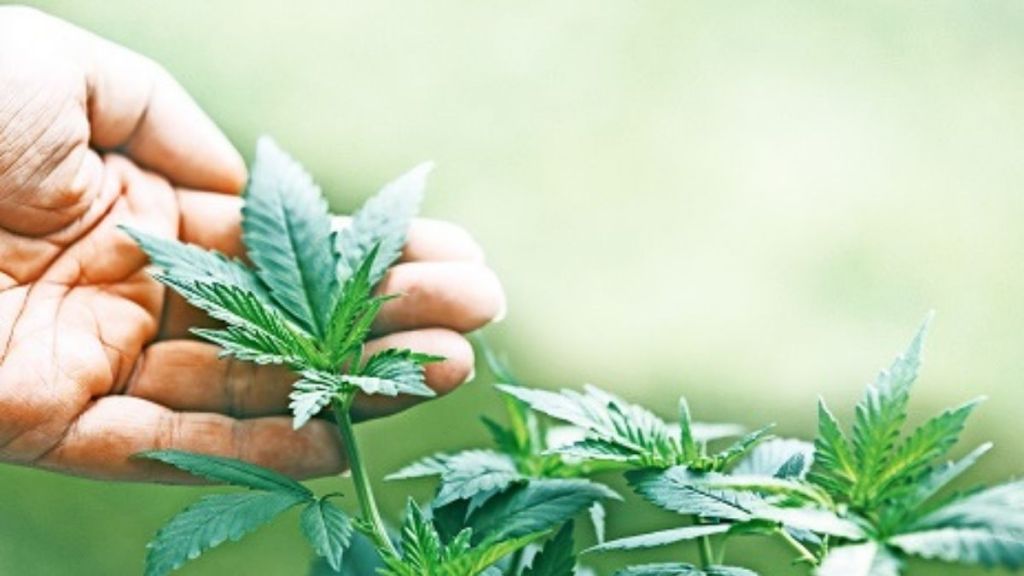

Cannabis-derived products are quietly shaping a new segment of the wellness market. These items, created using chemical compounds extracted from the cannabis plant, primarily tetrahydrocannabinol (THC) and cannabidiol (CBD), are increasingly finding their way into gummies, oils, gels, supplements and even prescription medicines. But are they really healthy, or just recreational drugs packaged as a wellness fad?
Availability concerns
The biggest concern is not cannabis itself, but the speed at which products derived from the plant are being normalised without adequate regulation or public understanding of risks, says Dr S Chatterjee, senior consultant, internal medicine, Indraprastha Apollo Hospital.
Many supplements marketed as ‘natural’ carry inaccurate labelling, inconsistent CBD concentrations, or undisclosed THC levels, the doctor warns, “creating risks around contamination, drug interactions, and self-medication”. According to him, patients are increasingly using these products for chronic pain, anxiety, and epilepsy without clinical oversight, “while the lack of standardised physician training on cannabinoid medicine in India continues to widen a critical healthcare knowledge gap”.
Dr Seema Dhir, unit head and senior consultant for internal medicine at Artemis Hospital, also acknowledges that there are good reasons to be concerned about the increased availability of cannabinoid products. “The idea that natural can mean safe is misleading,” she warns. “The composition and dosage of many products are not standardised, which results in inconsistent effects,” says Dr Dhir, adding that the interactions with other medicines are often missed. “Self-medication without proper diagnosis can delay treatment of serious conditions. Without clinical guidance and quality control, widespread availability may lead to misuse, incorrect dosing and preventable health complications,” she warns.
“The market is rising full of promise as well as risks,” says Dr Deeksha Kalra, associate consultant, psychiatry, Artemis Hospitals. “It provides alternative treatments but can be abused and misinformation can be spread if not monitored.”
Dr Kalra explains the role of the two cannabis components. “THC connects to receptors in the brain that affect mood and memory. It can make you happy and relaxed but it can also affect your thinking coordination and judgment. At higher doses, it can affect your state of mind and cause confusion and paranoia,” she says. “CBD is more gentle, calming and non-intoxicating. There is no one perfect dose; it depends on body weight, tolerance and purpose. The safest way is to start with a very low dose, increase slowly and only use it under medical supervision.”
Tolerance is subjective
Tolerances vary widely between individuals. “It is also affected by body weight and metabolism, genetics and prior exposure to cannabis,” explains Dr Kalra. “Regular users tend to develop higher tolerance needing more to get the same effect. Age, mental health status and overall health also play a role. ”
“What works at 25mg for one patient may be ineffective or overstimulating for another, which is why cannabis should be viewed as a precision-based therapeutic tool, not a universal wellness remedy,” says Dr Chatterjee. “Cannabis compounds primarily act through the body’s endocannabinoid system, a regulatory network spread across the brain, peripheral nervous system, and immune tissue. CB1 receptors influence pain perception, mood, memory, appetite, and sleep, while CB2 receptors help regulate inflammation and immune responses,” he says. “This dual mechanism explains both the therapeutic potential of cannabinoids in conditions such as neuropathic pain and inflammation, and their broader neurological effects on attention, emotional regulation, and cognitive processing.”
A recent review published by the Journal of the American Medical Association (JAMA) found that the evidence to support the use of cannabis and cannabinoids for most medical indications is insufficient. Dr Dhir shares that for regular users, “Short-term effects include relaxation, altered perception, drowsiness and sometimes impaired memory and coordination. Some users may also experience anxiety and heart palpitations.” As for long-term effects, she lists, it can affect mental health and cognitive function particularly in younger individuals. “There is also the risk of dependence and the development of tolerance with time resulting in reduced effectiveness. The longer they take it without professional supervision the more likely they are to suffer psychological fallout.”
Risks and benefits
Using unsupervised has many risks, says Dr Dhir. “The main risks are dizziness, impaired judgment, increased sedation and increased anxiety or mood problems. Higher doses can impact memory, coordination and concentration, increasing the risk of having accidents,” she explains, adding that some people, especially those who are already at risk, may develop psychotic symptoms, and others with prolonged use can also develop a dependency on cannabis.
Dr Chatterjee says, “Cannabis-derived medicines may help in carefully selected cases such as chronic pain, chemotherapy-related nausea, resistant epilepsy, anxiety, and sleep disorders, but outcomes are highly individual.” He stresses that unsupervised consumption is far from risk-free. “While CBD is generally well-tolerated, it can interact with blood thinners, anti-epileptics, immunosuppressants, and other medications by competing for liver enzymes, potentially raising drug levels to harmful ranges.” Further, THC-related risks include impaired concentration, altered judgment, anxiety, paranoia, psychotic symptoms in vulnerable individuals, adverse effects from mislabelled products, and most severely cannabinoid hyperemesis syndrome, which refers to a disorder caused by long-term, frequent cannabis use, characterised by recurrent, severe nausea, vomiting, and abdominal pain.
As far as benefits go, he says, “CBD has shown clinically meaningful results in drug-resistant epilepsies, particularly Dravet and Lennox-Gastaut syndromes, along with palliative benefit in cancer-related pain.” Expounding on the positive uses of cannabinoids, Dr Dhir says, “Some preparations work for some seizure disorders. Some people also experience better sleep and fewer muscle spasms,” she adds. “It can provide comfort and symptom relief in palliative care settings. ”
Speaking of the cannabinoid medications that are sometimes prescribed for anxiety, insomnia and other mental health issues, Dr Kalra says, “Manufacturers should ensure product quality, clear labelling and transparency on THC and CBD content. These medications do not contain THC as CBD is the main therapeutic component in many of the medically approved formulations.” The American Psychiatric Association does not stand by the use of cannabinoids in treating psychiatric disorder symptoms.
Regulations & guidelines
“In some cases, especially where conventional treatments failed, carefully monitored use offered mild relief. But not all of the outcomes are good,” says Dr Kalra. “A few patients experienced greater anxiety, reliance on the drug and diminished attention.”
Dr Chatterjee from Apollo states, “India’s regulatory framework for cannabis-derived products remains fragmented despite existing oversight under the NDPS Act and AYUSH licensing norms. However, inconsistent compliance, poor labelling, and weak oversight continue to blur the line between evidence-based medicine and loosely regulated wellness products.” According to him, better safeguards are needed around Certificate of Analysis (CoA) disclosures, standardised THC and CBD potency labelling, contamination testing and pharmacovigilance reporting, and structured physician prescribing protocols. Dr Dhir echoes, “Ideally guidelines should include strict quality control, accurate labelling of active components, clarity of dosage, contamination testing and access based on prescription. ”