



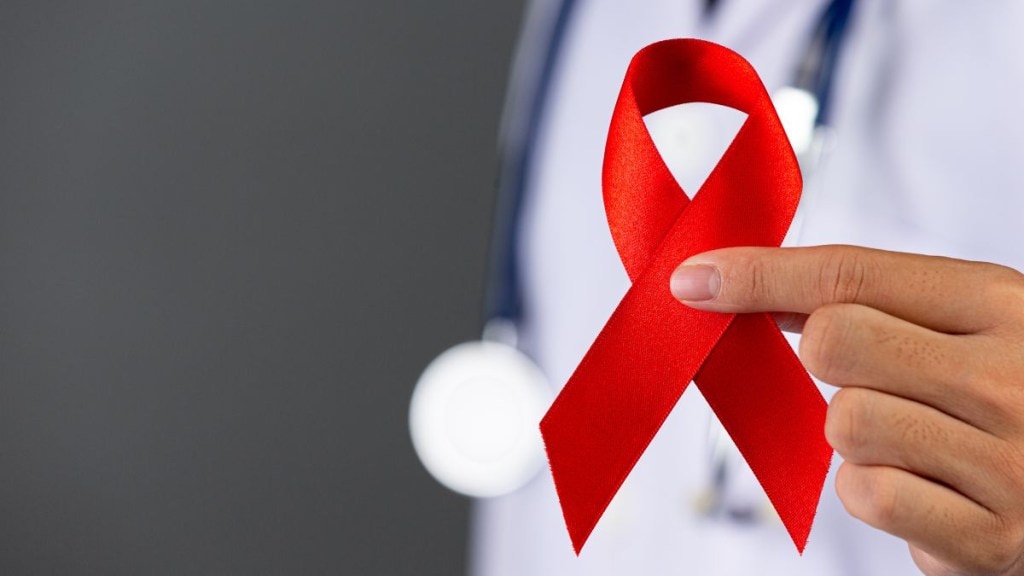
The World Health Organization (WHO) has raised a critical alarm over the increasing HIV crisis in the Western Pacific region, particularly in the Philippines, Fiji, and Papua New Guinea. At a recent meeting in Fiji, health ministers from 38 countries, along with civil society and development partners, convened to address the alarming rise in HIV cases and to strategise on prevention efforts.
Alarming increase in HIV cases
In Fiji, new HIV infections have increased ten times over the past decade, with a significant spike in 2024. The WHO attributes this rise to factors such as increased injectable drug use, which has contributed to the spread of the virus across Pacific island nations. Similarly, the Philippines has witnessed a six times increase in new infections from 2010 to 2024, predominantly affecting gay and bisexual men. In response to the escalating situation, Papua New Guinea declared HIV a national crisis in June, highlighting the urgent need for comprehensive intervention.
Challenges in prevention and treatment
Despite advancements in global HIV response, the Western Pacific region faces significant challenges. Late diagnosis, limited access to treatment, and gaps in prevention strategies have hindered effective control measures. WHO Regional Director for the Western Pacific, Saia Ma’u Piukala, emphasised the necessity for targeted approaches to specific outbreaks and affected populations.
Signs and symptoms of HIV
Recognising the signs and symptoms of HIV is crucial for early detection and treatment. According to the Mayo Clinic, early HIV infection may cause fever, fatigue, swollen lymph nodes, sore throat, and skin rashes. As the disease progresses, people may experience more severe symptoms such as unexplained weight loss, chronic diarrhoea, persistent cough, and infections. It is important to note that some people may remain symptom-free for years, making regular HIV testing essential, especially for those in high-risk groups.
Precautionary measures and prevention
Preventing HIV involves a combination of strategies. As per the Centers for Disease Control and Prevention (CDC) regular testing is important to detect the virus early, particularly for those who are at higher risk. Practicing safe sex by using condoms and avoiding sharing needles significantly reduces transmission. Public education campaigns are also vital, as they help dispel myths, raise awareness, and encourage safer practices. Timely access to antiretroviral therapy (ART) for those diagnosed with HIV not only manages the infection effectively but also prevents the virus from spreading to others.
While significant progress has been made in the global fight against HIV, the recent surge in infections in the Western Pacific region shows that there are still challenges. Through coordinated efforts, targeted interventions, and a commitment to comprehensive care, the region can work towards reversing the current trends and ensuring a healthier future for all its inhabitants.