



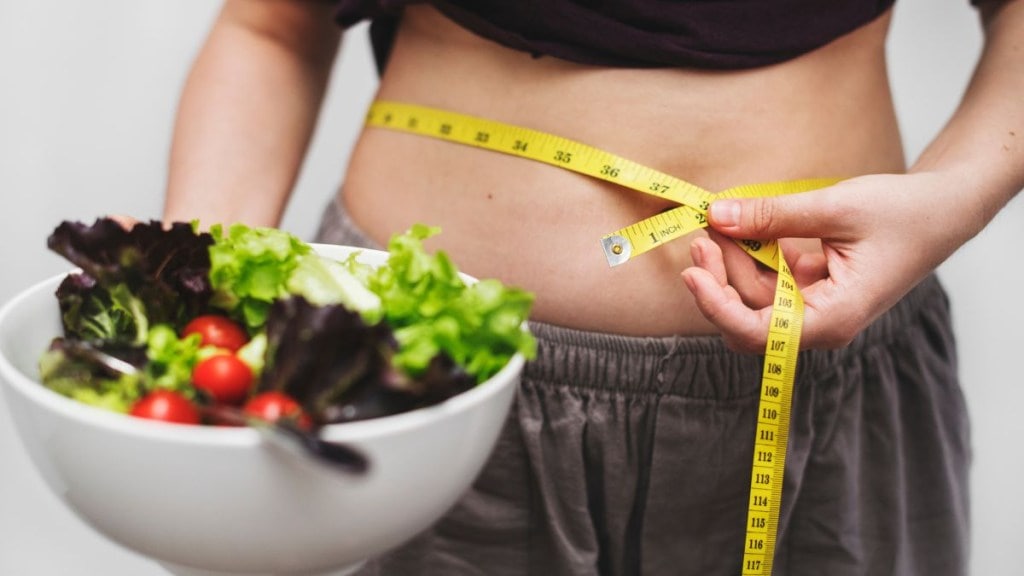
2025 is about to end, and this year brought several diet trends that flooded social media. While some worked for many people, others created buzz but never lived up to the hype. From fasting routines to the one-meal-a-day craze, the year proved once again that people are constantly searching for ways to lose weight. So which diets truly took over, and which ones actually worked?
Intermittent fasting stays on top
Intermittent fasting remained one of the most talked-about diets of 2025. Whether it was 16:8, 18:6 or 5:2, people continued using fasting windows to manage weight. Many found it easier to follow because it doesn’t restrict specific foods.
According to a study published in Nutrition Journal, titled The impact of intermittent fasting on body composition, intermittent fasting helped reduce body weight and improve lipid levels.
Fasting continued to grow in 2025, though nutritionists still say it works best when done along with a balanced diet.
The anti–ultra-processed food diet
One of the biggest shifts this year was the rise of the anti-UPF (ultra-processed food) movement. More people became aware of how packaged snacks, sugary cereals, processed meats and ready-to-eat meals impact long-term health.
According to a study published by the American College of Cardiology, titled “Eating Ultra-Processed Foods May Be Associated With Adverse Health Outcomes,” high consumption of UPFs was linked to higher risks of hypertension, cardiovascular problems and obesity. Eating too many UPFs could disrupt blood sugar control and raise the risk of insulin resistance.
High-protein diets stay popular
High-protein diets also continued trending, especially among fitness enthusiasts and young working professionals. From Greek yogurt bowls to protein pancakes and shakes, protein became a daily focus.
People preferred this diet because it made them feel full for longer and helped with muscle recovery. Nutritionists said that it can be effective as long as the protein comes from clean sources like eggs, lentils, paneer, tofu, fish, and lean meats instead of processed protein snacks.
Plant-forward eating grows quietly
While traditional vegan diets were not as aggressively trending as earlier years, plant-forward eating, where people increase plant foods but don’t completely give up animal products, grew steadily in 2025. Many people adopted it to improve gut health, reduce bloating, and support better digestion.
Budget diets
With rising food prices, many people in 2025 also turned to simple, budget-friendly diets. These included dal-rice, khichdi bowls, home-cooked thalis, fruit-and-nut snacks and low-cost meal prep routines. The idea was to eat clean without spending too much.
Influencers played a huge role in making these diets popular as they shared weekly meal-prep hacks and affordable grocery lists.
2025 showed that people want diets that are simple, realistic and sustainable. Fasting, high-protein eating, whole foods and plant-forward meals gained the most trust because many found them manageable in daily life.