



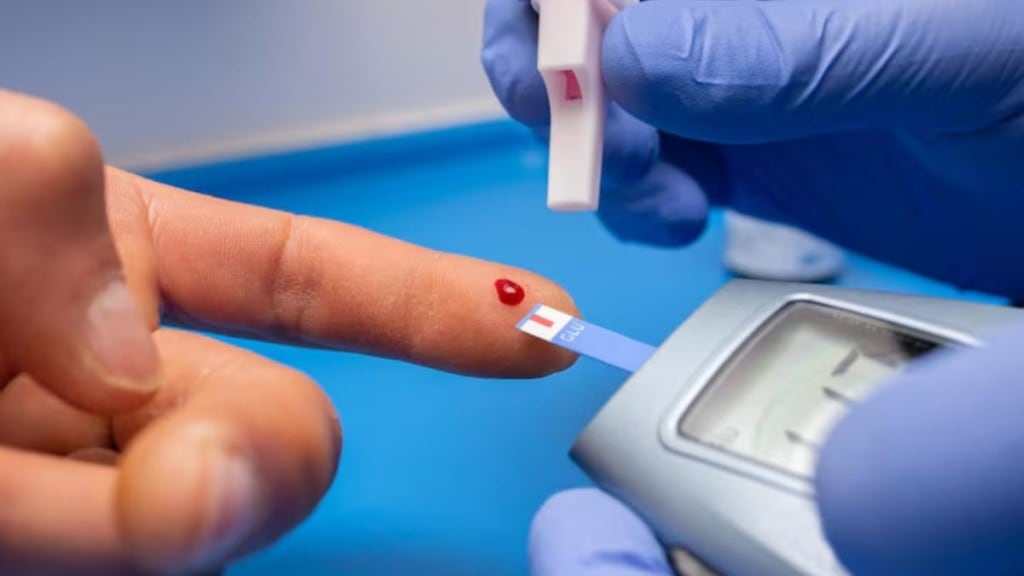
For years, many of us have wondered whether our blood group can influence our metabolism, digestion, and risk of lifestyle diseases. Popular diet trends have added to this curiosity by suggesting that people with different blood groups should eat differently to prevent metabolic imbalances. Among the most common questions is whether certain blood groups are more likely to experience insulin spikes or develop insulin resistance. The Financial Express got in touch with Dr David Chandy, Director of Endocrinology at Sir H.N. Reliance Foundation Hospital, who explains, “Insulin spikes are influenced by many factors such as diet quality, body weight, sleep, genetics and physical activity. Blood group is not considered a factor that affects insulin behaviour in the human body.”
What are insulin spikes and why do they matter?
When we eat foods containing carbohydrates, the body releases insulin to help glucose enter the cells for energy. An insulin spike happens when insulin levels rise quickly after a meal. If this keeps happening over the years, it may contribute to weight gain, insulin resistance, and even type 2 diabetes.
Dr Chandy adds that insulin regulation is controlled by complex mechanisms involving the pancreas, insulin receptors, hormone balance, and inflammation levels. None of these are linked to blood type.
Is there any scientific link between blood group and insulin response?
Over the years, experts examined whether blood groups like A, B, O or AB are linked to metabolic disorders. Some study findings have suggested that people with blood group A may have a slightly higher risk of cardiovascular disease or metabolic syndrome, while individuals with blood group O may have a marginally lower risk of developing type 2 diabetes.
A study published in the journal Diabetologia, titled “ABO and Rhesus blood groups and risk of type 2 diabetes: evidence from the large E3N cohort study,” revealed that people with blood group O had a slight lower risk of type 2 diabetes compared to those with non-O blood groups.
But experts warn that these findings are inconsistent and do not prove cause and effect.
“No strong clinical study has shown that any blood group is more likely to get insulin spikes after meals,” says Dr Chandy. “There is no scientific mechanism that connects blood type with how the body releases or responds to insulin.”
He adds that many of the studies linking blood groups to metabolic diseases did not account for important factors such as lifestyle, genetics, diet, or physical activity.
Why does the confusion persist?
Much of the confusion began with the popular “Blood Group Diet,” which claimed that ancestral blood groups evolved to digest certain foods better. But Dr Chandy says this theory has been repeatedly proven wrong.
Large population studies have shown that blood group does not determine how people process carbohydrates, fats, or proteins.
Dr Chandy explains, “The idea became popular because it sounded logical and personalised. But the scientific evidence simply does not support it. We cannot use blood groups to predict metabolic health, insulin response or diabetes risk.”
Some epidemiological studies have linked certain blood groups with conditions like inflammation or vascular disease. But these associations are weak and inconsistent. Doctors say they should not be used to guide real-life dietary or medical advice.
What actually causes insulin spikes?
Dr Chandy explains that a person’s lifestyle has a far greater impact on how the body manages insulin than their blood group. Factors such as excess body weight or belly fat, a diet high in refined carbohydrates, sugary drinks and low-fibre foods, lack of physical activity, poor sleep, high stress levels, family history, and even gut microbiome imbalance all play a major role in influencing insulin response.
These elements are strongly backed by scientific evidence, he says, and should be the focus for anyone looking to reduce their risk of insulin resistance. “If someone wants to lower their risk, focusing on diet, exercise and overall lifestyle changes will help far more than thinking about their blood group,” he adds.
Should blood groups influence your diet?
Health organisations worldwide, including the American Diabetes Association and International Diabetes Federation do not include blood groups as a factor in diabetes risk assessment or treatment.
There are no clinical guidelines recommending blood-group-based diets for managing insulin levels or preventing diabetes.
“Blood groups matter for blood transfusion and certain infections, but they do not determine how your body manages insulin,” says Dr Chandy. “If people are concerned about insulin spikes, they should focus on balanced meals, regular physical activity, good sleep, and maintaining a healthy weight.”
Insulin regulation depends on lifestyle, genetics and overall health, not the blood groups, A, B or O.