



India produces lakhs of engineering graduates each year, yet corporates keep asking: How to bridge the industry-academia divide? Dassault Systèmes believes the answer lies in bringing the entire industrial ecosystem into the classroom, virtually.
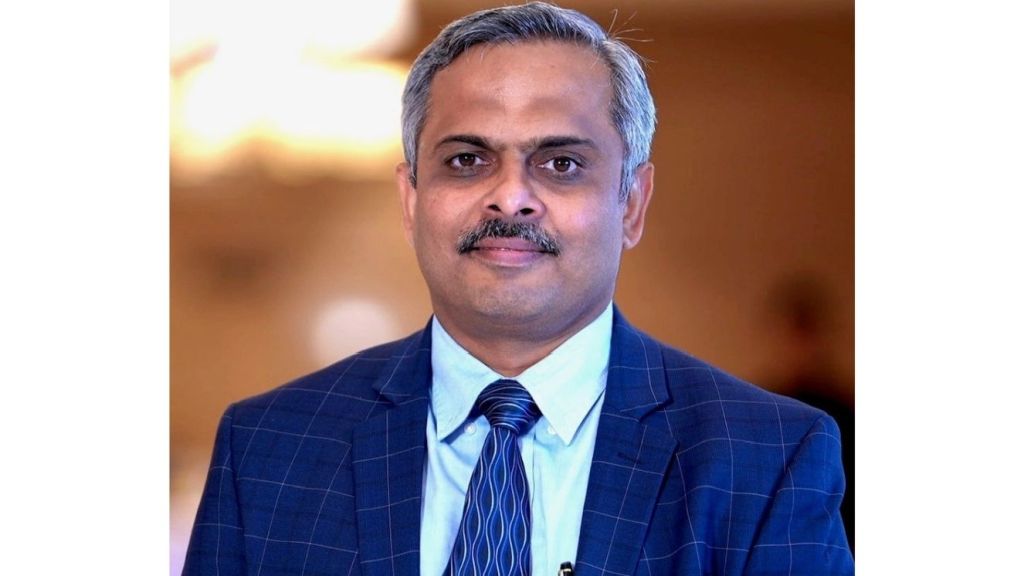
In an exclusive interaction, Deepak NG, the managing director of Dassault Systèmes India, shared that the French software MNC has been working on solving this divide since it set up its first Centre of Excellence with the Karnataka government back in 2016.
He added that, today, more than 2,000 academic institutions across India rely on Dassault’s suites — including SolidWorks, Catia, and Simulia — for product design and simulation. Alongside state partnerships in Karnataka, Tamil Nadu, and Assam, the company has been embedding industrial tech into campuses.
But Deepak is candid: raw access to software is no longer enough.
Simulating the entire ecosystem
The missing link is context. An engineering student might master designing a vehicle component on a screen, but understanding how that part is important for the entire automotive ecosystem needs a thorough knowledge of manufacturing, assembly, supply chain, and the market.
To solve this, the company is bringing the virtual twin of an entire organisation into the classroom.
Deepak said that, unlike static 3D models, a virtual twin creates a digital replica of a product, process, or even a system, letting students simulate real-world behaviour. He added that, under such a framework, mechanical engineering, computer science, and even management students could collaborate on a single unified project. “While a mechanical student designs a chassis, a computer science major codes its software, and management students simulate the shop-floor assembly line, replicating how real corporate departments operate,” he said.
Scaling beyond metro cities
This model, Deepak said, is shifting away from urban India. “Cloud-based deployment is opening doors for institutions in tier-2 and tier-3 places — thanks to widespread internet — with initiatives like the Guwahati Centre of Excellence serving as a blueprint for wider rural access,” he said. “The ultimate goal isn’t just teaching students how to use software tools, but teaching them how modern industry works.”
Beyond education, Dassault is looking at how these immersive environments tie into its broader enterprise strategy. For instance, at its recent 20th 3DExperience Forum India in Mumbai, the company rolled out virtual companions like Aura, Leo, and Marie to anchor engineering and business operations.