


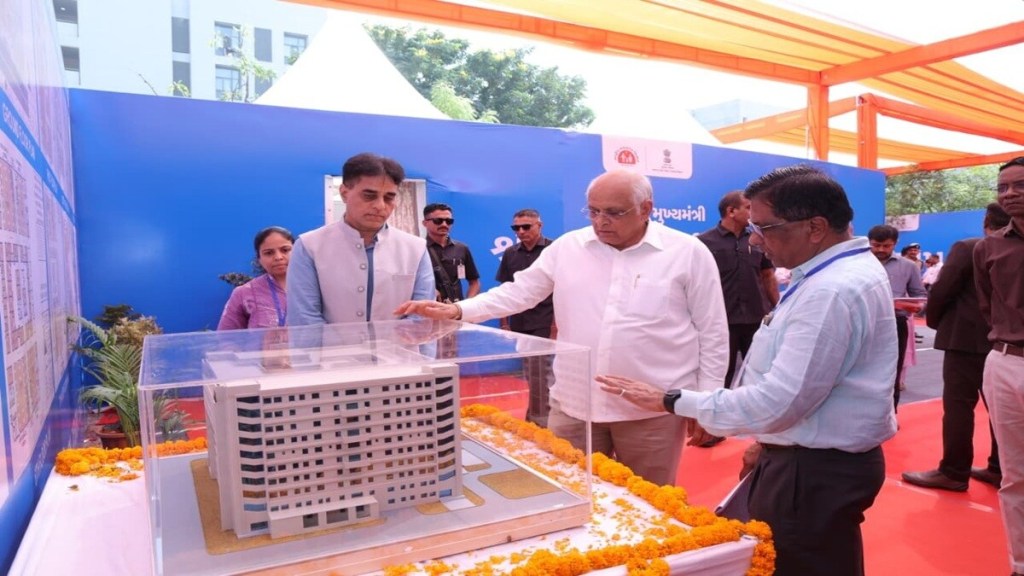

Healthcare projects worth over Rs 500 crore have been announced across Gujarat, including 255 new medical facilities and the foundation-laying for 45 more projects. The biggest is a Rs 223-crore Institute of Neuroscience and Research Centre at Ahmedabad Civil Hospital, which will specialise in strokes, brain tumours, spinal disorders and complex neurological treatment. Chief Minister Bhupendra Patel dedicated the projects and launched the new initiatives.
The newly completed facilities were developed at a cost of Rs 185 crore, while the projects for which foundation stones were laid are estimated to cost Rs 347 crore, taking the combined investment to Rs 532 crore. The state government says the aim is to improve access to timely diagnosis and treatment closer to patients’ homes, including in remote areas.
255 facilities opened, 45 more planned
The 255 newly constructed healthcare facilities were inaugurated virtually by the Chief Minister. These include health sub-centres, primary health centres and community health centres intended to strengthen primary and preventive care at the local level.
In addition, foundation stones were laid for 45 new healthcare projects, which will require an estimated Rs 347 crore. The state government expects these projects to expand medical infrastructure and reduce the need for patients to travel long distances for basic and specialised care.
Health Minister of State Praful Pansheriya said the facilities would help provide quality medical services even in remote parts of Gujarat. He also credited doctors, healthcare workers and ASHA workers for the state’s progress in tackling tuberculosis, malaria and the Chandipura virus, and in reducing maternal and child mortality.
Rs 223-crore neuroscience hub for Ahmedabad
The Institute of Neuroscience and Research Centre will come up on the Ahmedabad Civil Hospital campus at an estimated cost of Rs 223 crore. It will have a built-up area of 58,831 square metres and a capacity of 521 beds.
The bed capacity will include 288 general ward beds, 160 ICU beds, 57 special and semi-special beds and 16 triage beds. The institute will also have 13 operation theatres built to international standards.
મુખ્યમંત્રી શ્રી ભૂપેન્દ્રભાઈ પટેલના વરદ્હસ્તે અમદાવાદ ખાતે ₹223 કરોડના ખર્ચે આકાર લેનાર અત્યાધુનિક ઈન્સ્ટિટ્યૂટ ઑફ ન્યૂરોસાયન્સ એન્ડ રિસર્ચ સેન્ટરના ખાતમુહૂર્ત સહિત રાજ્યના ખૂણે-ખૂણા સુધી ગુણવત્તાયુક્ત સ્વાસ્થ્ય સેવાઓ પહોંચાડવાના સંકલ્પ સાથે ₹500 કરોડથી પણ વધુના આરોગ્યલક્ષી વિકાસ પ્રકલ્પોનું લોકાર્પણ અને ખાતમુહૂર્ત આરોગ્ય રાજ્યમંત્રી શ્રી પ્રફુલભાઈ પાનસેરીયા, શહેરી વિકાસ રાજ્યમંત્રી શ્રીમતી દર્શનાબેન વાઘેલા તથા અન્ય મહાનુભાવોની ઉપસ્થિતિમાં સંપન્ન થયું હતું.
— CMO Gujarat (@CMOGuj) October 24, 2026
The facility is designed to treat strokes, brain tumours, complex brain and spinal cord disorders, accident-related neurological injuries and conditions requiring long-term rehabilitation. It will also house neurology and neurosurgery departments, emergency radiology, advanced laboratories, a blood bank, a Central Sterile Services Department, a pneumatic tube system and an in-house neuro-rehabilitation centre.
Wider plans for specialist care
Beyond Ahmedabad, the government plans to develop new Medicities at Vasai and Kamrej on the lines of the Ahmedabad model, with an estimated investment of around Rs 3,000 crore. These projects are intended to bring comprehensive healthcare services under one roof.
The state also plans to expand cardiology and neurology services in Gandhinagar and Surat. A Spine Hospital is proposed within the Ahmedabad Medicity complex in the coming years, aimed at making advanced treatment more accessible to economically weaker and middle-income families.
Medical education capacity rises
Gujarat’s medical education capacity has expanded over the past two decades. The number of medical colleges in the state increased from eight in 2001–02 to 43 in 2025–26, while MBBS seats rose from 1,375 to 7,525 during the same period.
CM said AIIMS Rajkot is now operational, while Jamnagar is developing the world’s first Global Centre for Traditional Medicine.
Ayushman coverage and emergency care
The Chief Minister said serious illnesses had often pushed families into debt in the past, but eligible beneficiaries under Ayushman Bharat can now receive free treatment of up to Rs 10 lakh. More than 2.87 crore people in Gujarat have been issued Ayushman cards.
The state highlighted its emergency-care network, with more than 1,400 ambulances operating under the 108 Emergency Service round the clock. Pansheriya said Gujarat’s hospitals ranked first in the country in organ donation.
Addressing doctors and healthcare workers, Patel said their role should go beyond diagnosis and treatment. He asked them to build confidence among patients and families and provide emotional support during treatment.
The government framed the latest investments as part of its goal of building a “Swasth Gujarat” and contributing to the Centre’s Viksit Bharat 2047 vision.