


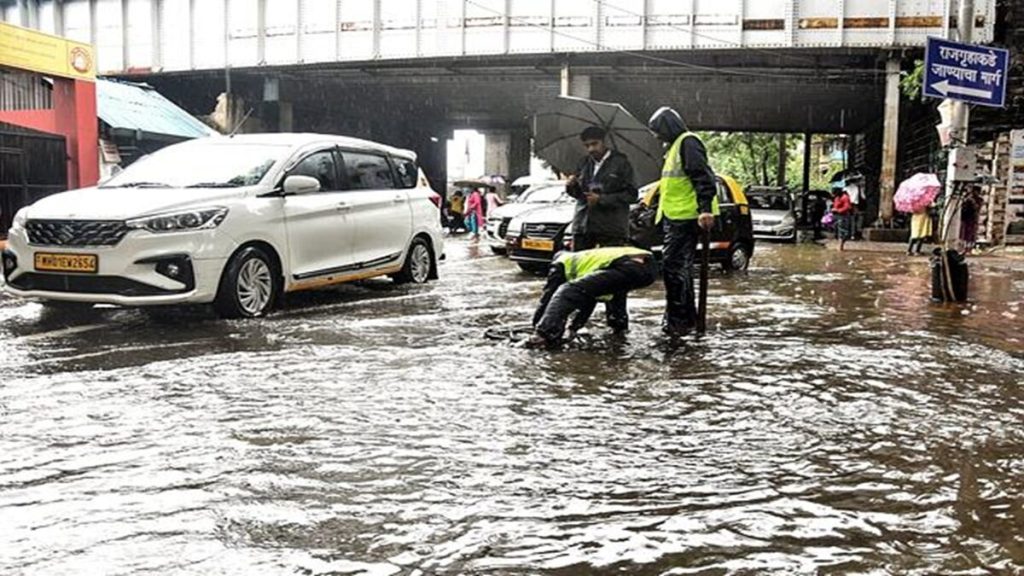

For any poor family, the impact of a flood does not end when the water recedes. They have to repair damaged homes, replace lost belongings and rebuild their savings. For many families, this can take months or even years. Wealthier households, however, find it easier to recover because they have savings, insurance and other financial support. This difference is evident in Mumbai.
According to a study by Oxfam International, lower-income households affected by floods had to spend an amount equal to 15 times their monthly income on repairing homes and replacing damaged belongings.
The findings are part of Oxfam International’s report, ‘Disaster Divide: How Climate Chaos Deepens Inequality and Enriches the Few’, published in October 2026. The report examines how climate disasters increase the gap between rich and poor and why low-income communities take longer to recover. It says the impact of floods and other extreme weather events depends not just on the disaster’s severity but also on a family’s ability to protect itself and recover from the damage.
Floods place a bigger financial burden on poorer families
The Mumbai example shows how differently rich and poor families deal with the aftermath of floods. Wealthier families can use their savings, insurance and other assets to recover from losses. Poorer families have to spend a large part of their monthly income on repairing their homes and replacing damaged belongings.
The report says people living in poverty usually have limited savings. Many also depend on household assets for their livelihoods. These assets are often not insured or properly documented.
Their housing conditions also make them more vulnerable. Many live in areas with poor infrastructure and homes that cannot withstand extreme weather. They also depend heavily on public services such as roads, water and electricity. When these services are disrupted, they have fewer alternatives. Wealthier families, on the other hand, can invest in stronger homes, reinforce roofs and foundations, hire private contractors to prepare for storms and buy insurance to cover possible losses.
Rising food prices add to the burden
It lists the rise in potato and onion prices in India in June 2024 as examples of climate-related price increases across countries. Extreme weather can affect agricultural production and reduce supplies, pushing up food prices. Poorer families are more affected by such increases because they spend a larger share of their income on food.
When food prices rise, families with limited incomes have little room to manage their expenses. They may have to cut spending on healthcare and education or buy less food and choose cheaper options. The report also points out that women and children can be affected more severely. When food or money becomes scarce, some families prioritise meals for men and children, leaving women with less to eat.
Small farmers face growing climate risks
The report also shows the difficulties faced by small farmers as weather patterns become less predictable. Farmers who depend on rainfall are more exposed to droughts, floods, soil damage and changes in seasonal patterns. Many do not have access to irrigation, crop insurance, loans and other resources that could help them deal with losses.
Small farmers are often located in dry, coastal and mountainous regions where farming depends heavily on weather conditions. Large agricultural businesses, in comparison, have more money to invest in irrigation, technology and other measures to protect their crops. Small farmers often cannot afford these facilities.
As a result, a failed harvest can have a much bigger impact on a small farmer. It can affect not only their income but also the food available to their family. Larger businesses are generally better placed to manage temporary losses. Oxfam also points to the growing concentration of agricultural land and resources among large businesses. It says bigger farms and agribusinesses have better access to technology, insurance, storage facilities and credit than small farmers.
Women face additional challenges
Climate disasters also increase the unpaid work done by women. When floods damage homes and disrupt public services, women often have to take on more responsibilities. These include arranging drinking water, cooking in difficult conditions, caring for children and elderly family members, and helping communities recover. The report says this work is important for families and communities but often goes unpaid and unrecognised. Women working in agriculture also face problems because of unequal access to land and other resources. Losing land or livelihoods after floods can further weaken their financial security and make it harder for them to recover.
Need to protect vulnerable communities
Oxfam says disaster response plans must give greater attention to communities that face the highest climate risks. The report calls for better public infrastructure, stronger flood protection, early warning systems and faster relief measures. It also recommends expanding social protection programmes and ensuring that affected families receive food assistance and financial support. It stresses the need to invest in infrastructure that can withstand climate-related disasters. This includes better facilities for water supply, transport, healthcare, education and sanitation.