



Indian consular officials in Vancouver have been subjected to audio and video surveillance, with their private communications intercepted, the Centre informed Parliament on Thursday. Minister of State for External Affairs Kirti Vardhan Singh confirmed these developments in a written reply to the Rajya Sabha, terming it a serious violation of diplomatic norms.
The Government of India lodged a formal protest with the Canadian High Commission in New Delhi on 2 November 2024. In a note verbale, it described the actions as a breach of diplomatic provisions, with Singh adding that the environment for Indian diplomats in Canada has been marked by extremism and violence.

The issue comes amid Canada’s National Cyber Threat Assessment for 2025-2026, which listed India under “Section 1 – Cyber threat from state adversaries.” The Ministry of External Affairs criticised the inclusion, calling it baseless and reflective of Canada’s “negative” approach to bilateral relations.
“By citing technicalities, the Canadian government cannot justify indulging in harassment and intimidation. Our diplomatic and consular personnel already operate in an environment of extremism and violence. This action by the Canadian government aggravates the situation and is incompatible with established diplomatic norms and practices,” Singh quoted an MEA spokesperson as saying, as reported by The Indian Express.
Also Read:‘Smear Campaign’: India slams Canadian report alleging PM Modi’s knowledge of Nijjar killing
Singh revealed that while Canadian authorities provide security for diplomatic properties, they recently cited an inability to safeguard Indian consular camps from attacks by extremist elements. This, he said, highlights the challenges posed by secessionist groups operating freely in Canada, with India repeatedly urging Canada to take strict action against such anti-India activities.
The Indian government has also raised concerns over threats to Indian leaders and diplomats, glorification of political assassinations, and campaigns for India’s fragmentation through “referendums.”
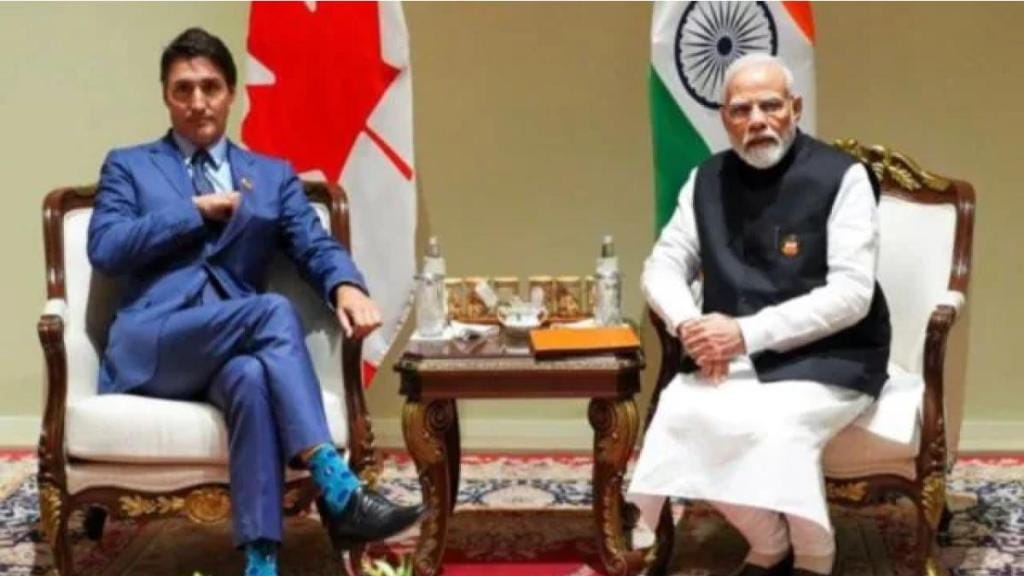
Ties between India and Canada have been strained since Canadian Prime Minister Justin Trudeau alleged Indian involvement in the killing of Khalistan extremist Hardeep Singh Nijjar last year. India has categorically denied these claims, dismissing them as “absurd.”
India continues to emphasise the safety of nearly 1.8 million Indo-Canadians and over 427,000 Indian students in Canada, reaffirming its commitment to ensuring their welfare despite escalating tensions.