



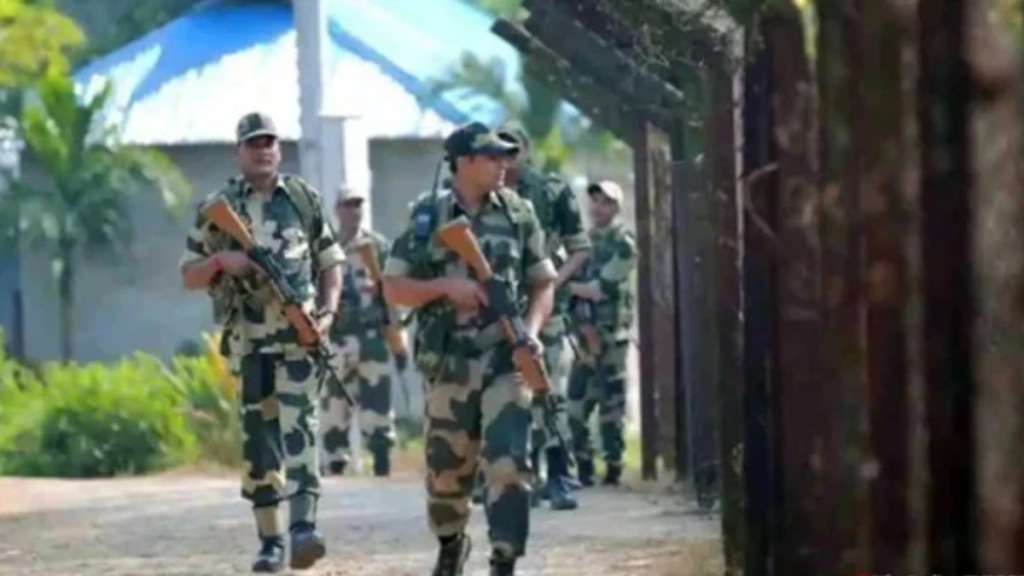
n a move that underscores the importance of border security, India summoned the Acting High Commissioner of Bangladesh, Md. Nural Islam, to the Ministry of External Affairs (MEA) on January 13, 2025, to discuss ongoing concerns regarding the security protocols along the India-Bangladesh border. During the meeting, India reaffirmed its commitment to securing the shared boundary through comprehensive measures, including fencing, border lighting, technical surveillance, and cattle fences.
The MEA statement, issued late on the evening of January 13, highlighted that India has consistently adhered to bilateral agreements with Bangladesh concerning border security. It emphasized that the Border Security Force (BSF) of India and the Border Guard Bangladesh (BGB) are working together to ensure that cross-border criminal activities—ranging from trafficking to smuggling—are effectively addressed. India also reiterated its expectation that Bangladesh would fully implement the previously agreed security measures to curb these issues, contributing to a more secure and stable border region.
This diplomatic exchange came as both countries continue to grapple with the complexities of border management while fostering cooperative relations.
Strategic Ties and Military Cooperation: A Message from India’s Army Chief
On the same day, General Upendra Dwivedi, India’s Chief of Army Staff, made significant remarks that further emphasized the strategic importance of India-Bangladesh relations. Speaking at the Indian Army’s annual press conference ahead of the 77th Army Day in Delhi, General Dwivedi stressed that the relationship between the two countries should remain free of animosity, as both nations benefit from their shared proximity and cooperation.
“Bangladesh is strategically important to India and vice versa. We are neighbors, and we must live together and understand each other. Any kind of animosity is not in the interest of either country,” General Dwivedi said. He further noted that communication with the Bangladesh Army remains strong, with regular exchanges, including a video conference with his counterpart on November 24, 2024.
While there have been some hiccups in the relationship, including a controversial statement made recently by the Bangladesh Army chief, General Waker-Uz-Zaman, General Dwivedi’s comments reflected India’s commitment to peace and mutual cooperation. He also clarified that while a joint military exercise had been temporarily postponed due to current circumstances, military cooperation between the two nations is ongoing.
The ‘Give and Take’ Relationship: A Diplomatic Tension
Amid these developments, diplomatic tension flared following comments by General Waker-Uz-Zaman, the Chief of Bangladesh’s Army, regarding the bilateral relationship. In a recent interview, General Waker-Uz-Zaman described the ties between India and Bangladesh as a “give and take” arrangement, highlighting the interdependence between the two nations.
“We buy a lot of goods from India, and a large number of Indians live and work in Bangladesh,” he said, acknowledging the importance of India’s stability to Bangladesh’s own. His remarks sparked debate, especially when he referred to India’s role in Bangladesh’s 1971 independence struggle, reminding both sides of the deep historical ties.
However, General Waker-Uz-Zaman also emphasized that Bangladesh would not take actions that could harm India’s strategic interests. “India is an important neighbor,” he concluded, suggesting that any relationship between the two nations must be based on fairness and mutual benefit.
Looking Ahead: A Balanced Approach to Security and Diplomacy
As both India and Bangladesh navigate the challenges of managing a shared border, the importance of effective communication and cooperation has never been more evident. India’s proactive stance on securing the border through technological and physical measures, coupled with the ongoing dialogue at the military level, underscores the desire to build a stable and secure environment for both nations. Despite occasional diplomatic setbacks, both sides seem committed to a future of collaboration, with the understanding that their mutual interests far outweigh any fleeting disagreements.