


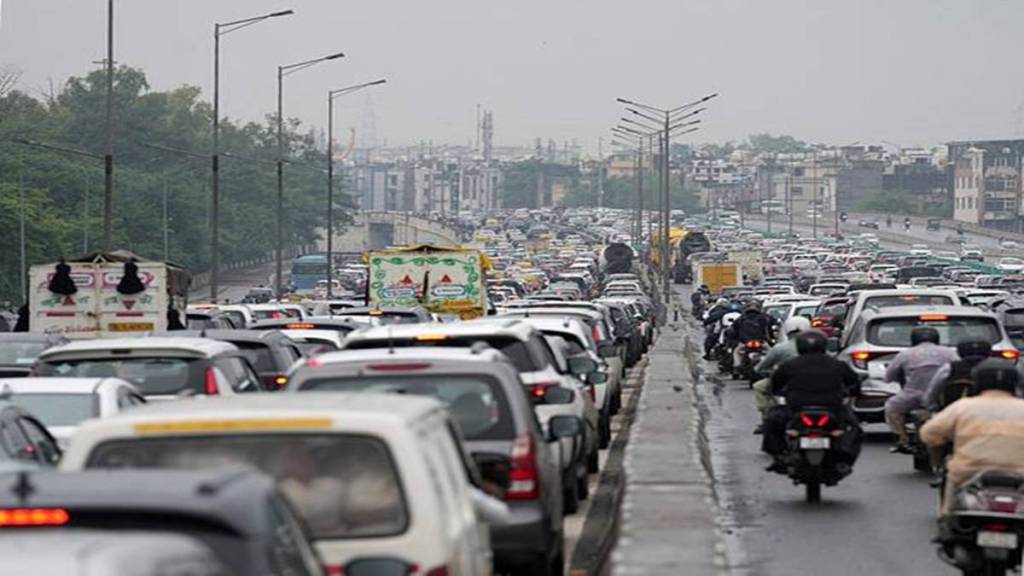

Planning to drive into Delhi from Noida, Ghaziabad, Gurugram or another city? Motorists should verify their vehicle’s emission standards and pollution certificate before travelling, as revised vehicle-entry restrictions under the Graded Response Action Plan (GRAP) will be implemented from November 1, 2026.
In its official advisory post on X, Delhi Traffic Police stated, “From 1 November 2026, vehicle entry into Delhi will be restricted under the revised GRAP rules.” The curtailment is based on the revised GRAP issued by the Delhi government’s Environment Department on June 23, 2026. They comprise vehicles below BS-VI emission standards, certain interstate buses, goods vehicles, and vehicles that are without valid pollution certificates.
However, BS-VI-compliant, CNG, electric and officially exempted vehicles may be allowed to enter Delhi, subject to applicable conditions.
Delhi vehicle ban: What’s not allowed from November 1?
As per the Delhi Traffic Police advisory, the following restrictions will be applicable:
Vehicles below BS-VI emission standards: Vehicles that do not meet BS-IV emission standards will face entry restrictions. However, CNG, electric and officially exempted vehicles may run under the applicable rules.
Interstate diesel buses below BS-VI standards: Diesel buses that are entering from other states and do not meet BS-VI emissions standards will not be allowed to enter Delhi.
Vehicles without valid pollution certificates: Motorists must have a valid Pollution Under Control Certificate (PUCC). Even BS-VI compliant vehicles will not be allowed to enter Delhi without a valid certificate.
Trucks passing through Delhi: Goods vehicles whose destination is not Delhi should use the Eastern Peripheral Expressway, Western Peripheral Expressway or other alternative routes instead of entering the capital.
Tractors and jugaad vehicles: The entry of tractors and jugaad vehicles will also be banned in accordance with applicable norms.
What’s allowed? Check permitted vehicle categories
Delhi Traffic Police stated, “Allowed: BS-VI, CNG, electric and exempted vehicles subject to applicable rules.”
Here is the breakdown of the vehicle categories covered by the advisory:
| Vehicle category | Entry status |
| BS-VI-compliant vehicles | Allowed, subject to applicable rules and valid PUCC |
| CNG vehicles | Allowed, subject to applicable conditions |
| Electric vehicles | Allowed, subject to applicable conditions |
| Officially exempted vehicles | Allowed under relevant exemptions |
| Vehicles below BS-VI standards | Restricted, subject to exemptions |
| Vehicles without valid PUCC | Not permitted |
| Interstate diesel buses below BS-VI | Not permitted |
| Goods vehicles not destined for Delhi | Must use alternative routes |
| Tractors and jugaad vehicles | Subject to applicable restrictions |
Special restrictions for vehicles registered outside Delhi
The advisory clearly mentions a restriction period from November 1, 2026, to January 31, 2027, for covered vehicles registered outside Delhi. During this period, the entry and operation of such vehicles will be restricted, except for those meeting BS-VI emission standards, operating on CNG or electricity, or covered by applicable exemptions.
This is especially crucial for motorists travelling from neighbouring cities like Noida, Gurugram and Ghaziabad. Drivers will need to check their vehicle’s eligibility before entering the national capital.
What should motorists check before travelling?
Delhi Traffic Police has appealed to drivers to verify their vehicles’ eligibility and follow official traffic advisories. Before moving out, motorists should ensure that their vehicles meet the applicable emission standards, carry a valid PUCC where needed and abide by any relevant exemptions or restrictions.
For assistance, drivers can contact the Delhi Traffic Police helpline at 011-25844444 or 1095. Commuters can also call 112 for immediate police support. The restrictions are slated to take effect on November 1, 2026. Motorists should check the latest official notifications for any changes or additional instructions.
The restrictions are scheduled to take effect on November 1, 2026. Motorists should check the latest notifications for any changes or additional updates.