



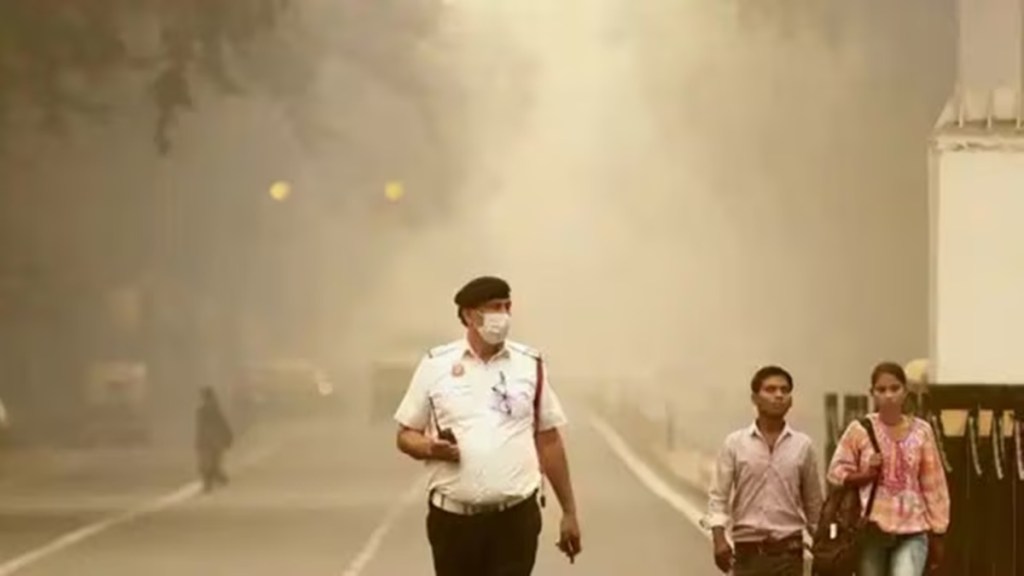
Delhi Environment Minister Gopal Rai announced a comprehensive 21-point Winter Action Plan on Wednesday, designed to tackle air pollution as the city braces for winter.
A key highlight is the use of drones for real-time monitoring of pollution hotspots. “For the first time, we have decided to use drones to monitor the hotspots. Until last year, this was done manually. This year, there will be real-time monitoring to identify the source and cause of air pollution,” Rai stated.
Also Read:BJP demands accountability from AAP ahead of Delhi Assembly session, raises concerns
The Winter Action Plan includes:
- Drone-based real-time monitoring of pollution hotspots
- Formation of a special task force to oversee pollution control
- Increased measures to curb dust pollution
- Deployment of mobile anti-smog guns
- Initiatives to address:
- Vehicular pollution
- Waste burning
- Stubble burning
- Industrial emissions
- Establishment of a green war room and utilization of the Green Delhi app
- Real-time source apportionment studies
- Creation of an e-waste eco-park
- Expansion of green areas and enhancement of public participation
- Firecracker bans and ongoing collaboration with the Central Government and neighboring states
- Implementation of the Graded Response Action Plan (GRAP) and introduction of the Hari Ratna Award
- Encouragement of work-from-home options and voluntary vehicle restrictions
- Preparations for the odd-even vehicle scheme
- Exploration of artificial rain as a pollution control measure
The special task force will include six members from the Environment, Transport, Revenue, and Traffic Police departments, focusing on monitoring pollution across the national capital.
To combat dust pollution, water sprinkling activities will increase from one to three times daily during the high-pollution months of November and December. The plan also includes deploying 85 road-sweeping machines, 500 water sprinklers, and 200 mobile anti-smog guns, with an anti-dust campaign launching on October 7.
A unique feature of this year’s plan is the introduction of the Hari Ratna Awards, which will honour individuals and agencies making significant contributions to air pollution control. The theme, “Mil kar chale pradhushan se ladein” (united we shall fight pollution), highlights the importance of public participation.
Public awareness initiatives include an e-vehicle parade, anti-pollution marches, and the ‘Red light on, gaadi off’ campaign, part of the larger ‘Jan-Jagrukta Abhiyan.’ To address stubble burning, which has already been reported this year, Rai announced plans to meet with ministers from neighbouring states to explore solutions like bio-decomposer spraying, which successfully covered 83.8% of the 5,000-acre target last year.
These initiatives aim to significantly reduce air pollution and improve Delhi’s air quality this winter.