


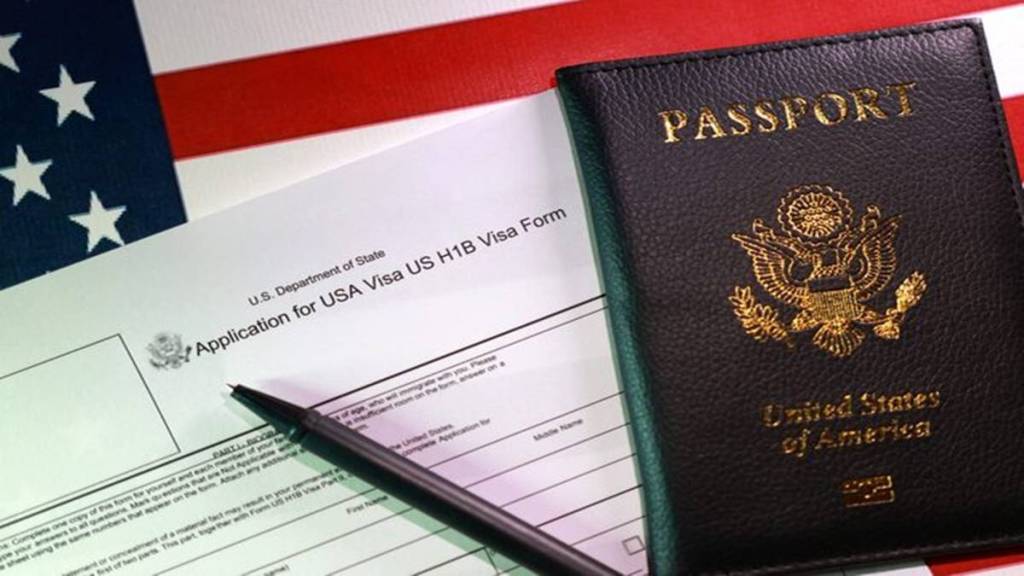

Representative Beth Van Duyne introduced the H–1B Visa Fraud Crackdown Act on October 1, 2026, along with five co-sponsors, including Texas Representative Brandon Gill.
The bill has been referred to the House Judiciary Committee. It doesn’t touch visa caps, wages, or grace periods. Instead, it goes straight after the penalties employers face when they are found to have violated H-1B program rules, and the numbers it proposes are a steep jump from where they stand today.
This new bill aimed at H-1B employers has landed in the House, and it could reshape how much employers pay when they are caught violating H-1B rules.
What the bill actually proposes
The bill amends Section 212(n)(2)(C) of the Immigration and Nationality Act, the section that governs penalties for H-1B violations found during Department of Labor investigations.
For the first tier of violations, the fine would rise from $5,000 to $100,000, a twentyfold increase. The debarment period, the time an employer is barred from filing new visa petitions, would stretch from a minimum of 2 years to a minimum of 5 years.
For more serious violations, where an employer is found to have displaced a US worker or committed willful violations, the fine jumps from $35,000 to $250,000. Debarment goes from a minimum of 3 years to a minimum of 10 years.
The bill also amends Section 274C(d)(3), which covers document fraud penalties tied to immigration petitions. First-offense fines would rise from a range of $250 to $2,000, to a new range of $1,000 to $10,000. For repeat or more serious document fraud, the range jumps from $2,000 to $5,000, up to $20,000 to $50,000.
In short, the bill doesn’t change who qualifies for an H-1B. It changes what it costs to get caught breaking the rules.
Why this bill isn’t coming out of nowhere
This proposal arrives on top of a year of escalating enforcement activity, not as a standalone move.
Unannounced site visits, a tool USCIS has used since 2009 through its Fraud Detection and National Security office, have picked back up under the current administration. Investigators show up at H-1B worksites without notice to confirm that the employee is actually doing the job described in the petition.
Back in November 2025, in order to protect American jobs and guarantee the employment of vital foreign workers in the United States, the Department of Labor launched 175 investigations into possible abuses of the H-1B visa program.
In July 2026, the Department of Labor’s Office of Inspector General, led by Anthony D’Esposito, announced what it called its first major investigation into H-1B and PERM visa fraud.
Separately, the Labor Department’s Project Firewall, launched under Secretary Lori Chavez-DeRemer, has driven a 48% jump in H-1B investigation caseloads, with site visits and data-driven audits becoming routine for employers who were rarely checked on before.
This isn’t the first bill trying to rewrite H-1B rules
Congress has seen multiple attempts this year to overhaul the program, and this bill is narrower than most of them.
The End H-1B Visa Abuse Act of 2026, introduced by Representative Eli Crane, proposed suspending new H-1B visas for three years, cutting the annual cap from 65,000 to 25,000, and setting a $200,000 minimum salary requirement. It would also have ended OPT and blocked H-1B holders from bringing dependents.
In the Senate, the End H-1B Abuse Act (S.5097), introduced by Senator Tim Sheehy, proposed a similar three-year pause, while also trying to permanently codify a $100,000 per-petition fee into law.
That fee has its own backstory. President Trump’s September 2025 proclamation had already imposed a $100,000 fee on new H-1B petitions, but a federal judge in Massachusetts struck it down in June 2026, ruling the administration lacked authority to impose what amounted to a tax without Congress.
None of these bills, including this one, have passed. Most immigration bills introduced in Congress don’t make it out of committee. But taken together with the enforcement activity already underway, they point in the same direction: tougher penalties, more audits, and a program under more active scrutiny than it has faced in years.
Disclaimer: This article is for general informational purposes only and does not constitute legal, immigration, or tax advice. The H-1B Visa Fraud Crackdown Act is a proposed bill and has not become law. The penalties described above reflect the bill’s proposed changes and could change during the legislative process. Its introduction or referral to committee does not mean the measures will take effect.