


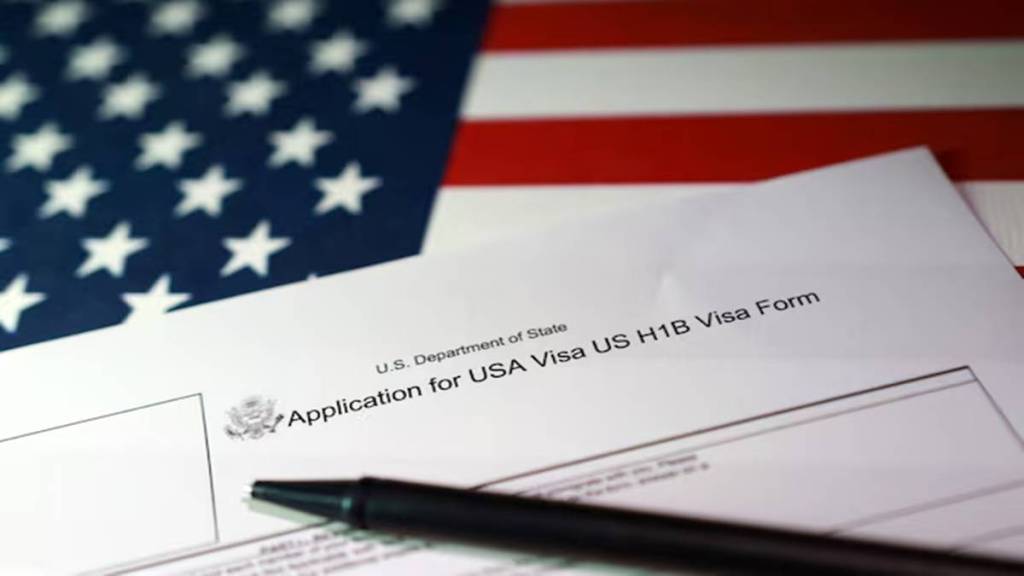

The US Department of State has expanded its online presence review to more visa categories, and this time it’s asking certain new categories of applicants to make their social media profiles public.
Who’s Affected From October 1
Effective October 1, the review will now cover applicants for I visas (foreign media representatives), along with TN and TD visas issued to USMCA professionals and their dependents. All applicants in these categories are instructed to set the privacy settings on their social media profiles to “public” or “open” so the vetting process can review them.
Members of the press, radio, film, and print industries are among the foreign media representatives who are eligible for media (I) visas.
In order to perform their job, the media representative must be temporarily visiting the United States. The person is only permitted to take part in educational or informational activities that are necessary for the foreign media function.
When using a media (I) visa, one must conduct activities in the US on behalf of a media organization that has a home office outside of the US. In the US, activities must be informative in character and typically related to the process of gathering news and reporting on current affairs.
The TN nonimmigrant classification permits qualified Canadian and Mexican citizens to seek temporary entry into the United States to engage in business activities at a professional level. The TD visa is for spouses and unmarried, minor children.
A Widening Net Since Last Year
This isn’t the first expansion. The vetting standard applies to various visa categories, including diplomatic visas (A-3, C-3), student visas (F-1, M-1), temporary worker visas (H-1B), exchange visitor visas (J-1), fiancé visas (K-1), cultural exchange (Q), religious worker visas (R-1), and specific categories for witnesses and victims (S, T, U).
The review initially included H-1B, H-4, F, M, and J visa applicants, but expanded in March 2026 to encompass diplomats, trainees, fiancés, cultural exchange visitors, religious workers, and humanitarian visa applicants. The update in October extends the review further.
Why the Department Says This Matters
The State Department emphasizes that it uses all available information for visa screening to identify potentially inadmissible applicants who may threaten national security or public safety.
It believes that every visa adjudication is inherently a national security decision, and officials are vigilant in ensuring applicants do not intend harm and can demonstrate genuine intent to comply with visa terms.
Receiving a US visa, it noted, remains a privilege granted at the government’s discretion, not an entitlement.
What This Could Mean for Applicants
Employers and individual applicants in the newly added categories should expect the same effects seen with earlier expansions: longer processing timelines, increased scrutiny during interviews, and the possibility of administrative processing delays.
Disclaimer: This article is based on an official announcement from the U.S. Department of State dated September 18, 2026, and prior related updates. Visa rules and effective dates are subject to change; readers should verify current requirements on the official Department of State website before applying.