


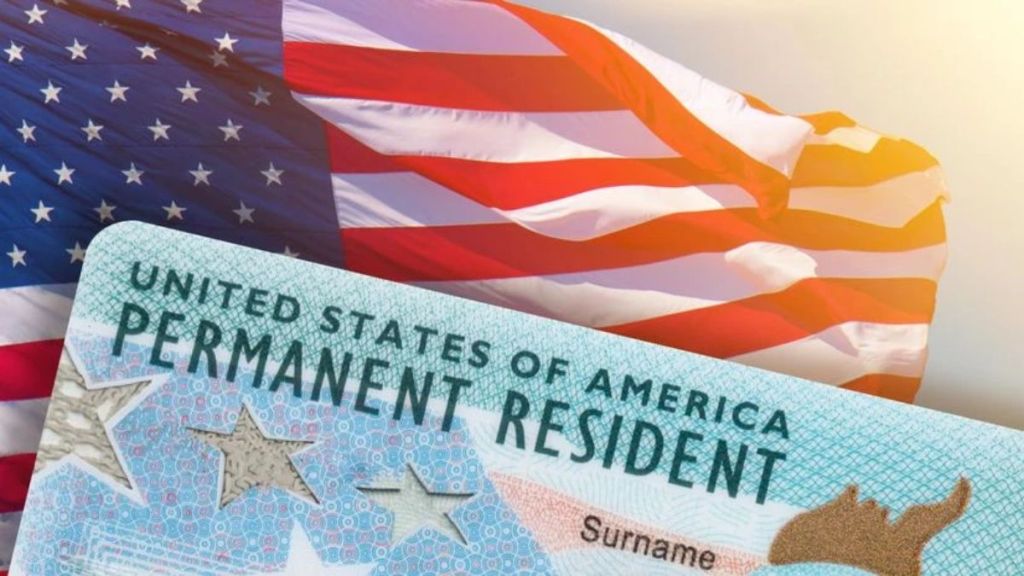

A coalition of 22 US states and cities led by New York Attorney General Letitia James is legally challenging a new Department of Homeland Security (DHS) “public charge” rule. It expands federal authorities’ discretion to deny green cards, visas, or entry into the country to foreign nationals relying on government aid for healthcare, housing, food, and other basic needs. The revision is set to go into effect this Friday, September 18, in the United States.
Once the new rule is implemented, all immigration-related applications postmarked or electronically filed on or after September 18 will be subject to heightened scrutiny. This will allow officials to set new standards while discerning who should be considered a “public charge.”
Branding it a “catastrophic new Trump administration policy,” Letitia James argued the rule would allow immigration officials to punish immigrants for lawful use of public benefits, according to an official press release published by her office on Monday (US time). The states’ lawsuit challenging the rule—which would give immigration officers sweeping power to deny Green Cards (permanent residence) over any use of public benefits—was filed alongside a separate lawsuit led by New York City Mayor Zohran Mamdani over the rule’s harm to local governments.
Both lawsuits name the US Department of Homeland Security, DHS Secretary Markwayne Mullin, US Citizenship and Immigration Services (USCIS), and USCIS Director Joseph B. Edlow as defendants.
And so, the states’ coalition is urging the US District Court for the Southern District of New York (SDNY) to block what they call an “unlawful measure.” State officials believe that this rule’s implementation would instill fear in people that seeking help now could “jeopardise” their, or their family’s, immigration status in the future. Consequently, immigrant families would be forced to choose between seeking such benefits and seeking legal status.
Who is suing the Trump administration over the ‘public charge’ rule?
The attorneys general of the following states/cities are legally contesting the new immigration rule in the lawsuit led by NY Attorney General James:
- New York
- California
- Colorado
- Connecticut
- Michigan
- Minnesota
- Nevada
- New Jersey
- New Mexico
- Oregon
- Rhode Island
- Vermont
- Virginia
- Washington
- Wisconsin
- District of Columbia (capital city Washington DC)
- + the governor of Pennsylvania
Meanwhile, the other lawsuit, also filed in federal court in Manhattan and led by New York City Mayor Mamdani, also lists Chicago, San Francisco, Santa Clara, Seattle, and Martin Luther King Jr. County as plaintiffs.
Issues raised by those challenging the new rule
Speaking at a news conference in City Hall alongside Mamdani, James said that the new rule “preys” on immigrant families’ fear and counts on them forfeiting food assistance, health care coverage and other benefits. The NYC mayor added to the argument, saying that the provision would have a “chilling effect” on both immigrants seeking legal status in the country and other residents of NYC.
“The new public charge rule seeks to push immigrant families away from the programs that have kept people fed and healthy for decades,” Mamdani said. “New Yorkers will be afraid to see a doctor or ask for help they are legally entitled to. That fear will not stop at the families that the federal government is targeting.”
Trump had originally planned to impose this rule during his first term, but it was overturned once Democratic leader Joe Biden succeeded him as the US president. The two new lawsuits now demand the “arbitrary and capricious” rule, which violates the Administrative Procedure Act (APA), be vacated, claiming it exceeds DHS’ statutory authority.
Originally enacted in 1946, the APA governs how federal agencies develop and issue regulations, requiring most rules to have a 30-day delayed effective date. As a result, it requires that notices of proposed and final rulemaking be published in the Federal Register so the public has the opportunity to comment on them.
By building this argument, the suing states and cities point out that immigration officials have refrained from specifying which programs could lead to an applicant’s disqualification. Official text offered alongside the new rule’s announcement simply states officials “using good judgment and discretion” will make “individualised, fact-specific public charge inadmissible determinations, based on a totality of the alien’s circumstances.”
New York AG Letitia James said that for over a century the US has defined a “public charge” as a person who is likely to become primarily dependent on the government for long-term subsistence. Four years ago, a fresh rule was issued, limiting public charge determination to cash assistance for income maintenance or long-term institutionalisation at government expense, the NY AG’s website stated.
She now asserts that the “public charge” rule’s implementation would allow immigration officers to list nearly any public benefit, which may have been used for any length of time, against a Green Card hopeful, who may even be a US citizen’s family member. It could ultimately pose a threat to a parent’s green card application just because their American citizen child availed state-offered health insurance or was associated with a school’s free lunch program, James contended.
How is DHS responding?
Homeland Security slammed the arguments, saying, “Let’s get this straight, sanctuary states are terrified they will lose federal funds because hundreds of thousands of illegals and noncitizens might remove themselves from American welfare programs. We’re shaking in our boots over this supposedly terrible outcome,” the Associated Press reported.
The new rule is one of many policy overhauls the Trump administration has relied on to amplify its immigration crackdown, including restricting legal pathways into the country. When initially proposing the rule, the administration underscored that the effort sought to ensure foreign nationals coming into the country are “self-sufficient” and don’t become a burden on US taxpayers or taxpayer-funded government benefits.
Disclaimer: This article is intended for informational purposes only and is based on publicly available immigration guidance. Rules and deadlines are subject to change; readers should verify current requirements directly with USCIS or consult a qualified immigration attorney before making decisions based on this information. Financial Express is not responsible for any decisions made based on this information.