


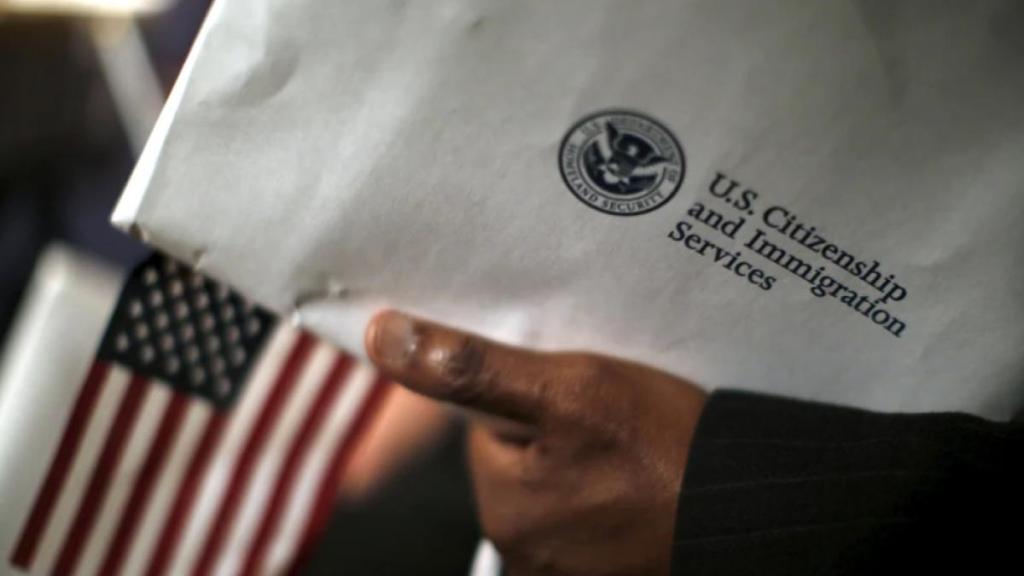

The US Department of Homeland Security (DHS) has made permanent a rule ending automatic extensions of work permits for many immigrants who apply to renew them on time.
The rule means that many applicants will have to wait for US Citizenship and Immigration Services (USCIS) to approve their renewal applications before they can continue working beyond the expiry date of their current Employment Authorisation Document (EAD).
The final rule is published in the Federal Register. It adopts, without any changes, an interim final rule introduced in 2025, which ended the automatic extensions that had allowed eligible immigrants to continue working while their renewal applications were pending.
H-4 visa spouses, green card applicants waiting through the adjustment-of-status process and other affected EAD holders may have to stop working if their existing work authorisation expires before USCIS approves their renewals and they have no other basis to work legally.
DHS said the change would allow immigration officials to check applicants’ eligibility again and complete security checks before allowing them to continue working.
Why has the US ended automatic work permit extensions?
USCIS had earlier allowed eligible applicants who filed their Form I-765 work permit renewal applications on time to continue working while their applications were being processed.
The policy was particularly important when processing delays left people waiting for months to receive renewed work permits. To help prevent workers from losing their jobs because of these delays, the government had extended the automatic work permit extension period to as long as 540 days for eligible applicants.
However, DHS ended the 540-day automatic extension period through an interim final rule issued in 2025. The department has now made that decision permanent through the final rule.
What changes under the new work permit rule?
Under the final rule, most eligible immigrants who file work permit renewal applications on or after October 30, 2025, will no longer receive automatic extensions simply because their applications are pending.
Applicants will generally have to wait for USCIS to approve their renewal applications before receiving a new period of work authorisation. This means that filing a renewal application on time will no longer, by itself, allow many workers to continue working after their existing EAD expires.
However, automatic extensions granted under the earlier rules will remain valid for eligible applications filed before the policy change.
According to the department, USCIS must first establish that an applicant remains eligible and complete the required updated security and background checks.
Thousands of applicants could face gaps in work authorisation
The change could create problems for immigrants whose work permits are close to expiring but whose renewal applications have not yet been approved.
USCIS reported that, as of June 30, 2026, more than 432,000 work permit renewal applications had been pending for at least six months. Of these, more than 91,000 had been waiting for over 18 months.
The delays are a concern because most applicants cannot submit their renewal applications more than 180 days before their existing work permits expire.
If USCIS does not approve an application before the current EAD expires, an applicant who is not covered by an applicable extension or other work authorisation may have to stop working until the renewal is approved.
The rule could therefore affect H-4 spouses, people waiting for green cards through adjustment of status, certain asylum applicants and other immigrants who depend on EADs to work legally in the US.
Employers could also face disruptions
The end of automatic extensions could create difficulties for employers who depend on workers whose employment authorisation must be renewed.
Companies may face temporary staffing shortages if employees are forced to stop working while waiting for USCIS to approve their applications. Some workers may need to take leave or remain away from their jobs until their work authorisation is restored.
Employers may also have to monitor employees’ work permit expiry dates more closely and review their employment eligibility documents to ensure they comply with federal Form I-9 requirements.
The changes could make workforce planning more difficult, particularly for companies employing H-4 spouses and other immigrants whose ability to work depends on timely EAD renewals.
H-4 visa holders challenge the policy in court
The policy has already faced legal challenges from H-4 visa holders.
Earlier in 2026, a group of H-4 visa holders filed a lawsuit challenging the 2025 interim final rule. They argued that DHS had failed to follow the procedural requirements of the Administrative Procedure Act, the US law that governs how federal agencies make rules.
In September 2026, a federal court in California issued a limited injunction blocking enforcement of the interim final rule against the plaintiffs involved in the case while the legal proceedings continue.
The court order applies to the plaintiffs covered by the injunction and does not amount to a nationwide suspension of the policy.
Although the lawsuit is still ongoing, DHS is scheduled to bring the final rule into effect upon its publication in the Federal Register on October 14, 2026.