


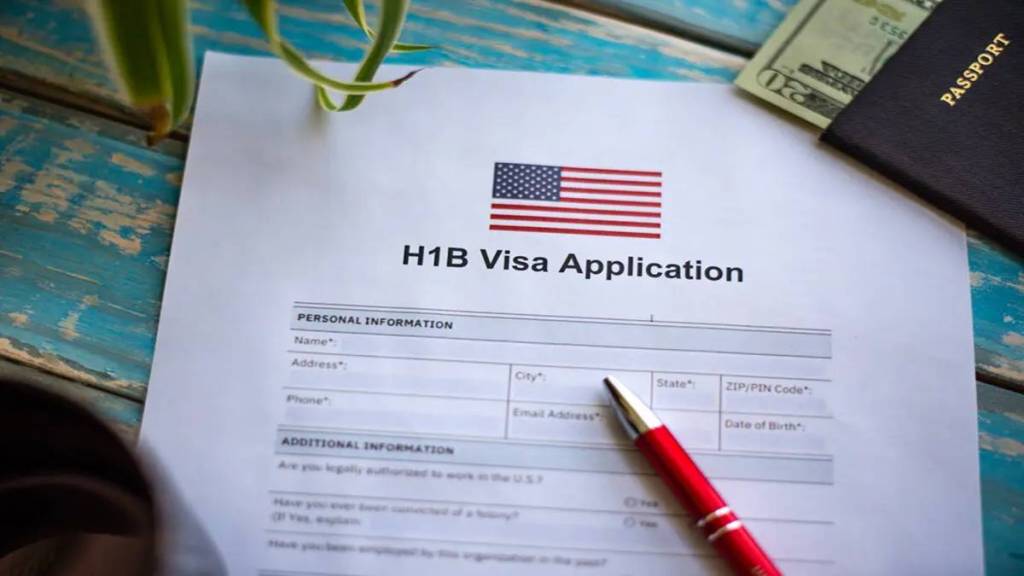

Starting September 9, the cost of employing H-1B and L-1 workers has increased for US firms. While the fee amount remains unchanged, the scope of who must pay it has widened.
Even if foreign employees are simply extending their stay with the same company, the cost burden may now fall on the employer, a cost that did not exist before.
What Exactly Has Changed?
The Department of Homeland Security (DHS) has released a final regulation that expands the conditions under which some employers must pay the ‘9-11 Response and Biometric Entry-Exit Fee’ for H-1B and L-1 applications.
Currently, all eligible or ‘covered’ companies must pay the 9-11 Biometric Fee for H-1B and L-1 petitions, particularly for new employment or changes of employer. Going forward, it will apply to all previously covered H-1B and L-1 petitions. The rule was published in the Federal Register on August 10, 2026, and becomes effective September 9, 2026.
Who Counts as a ‘Covered Employer’?
The concept of ‘covered employers’ is central here. It applies to companies with 50 or more US employees, specifically those where over half of their US workforce holds H-1B or L-1 visas. Smaller or less visa-dependent companies are not classified this way and remain exempt.
The new rule does not increase the 9-11 Biometric charge. It only widens the types of petitions that must pay it. The fees remain set at $4,000 for H-1B applications and $4,500 for L-1 petitions.
Employers use the H-1B program to hire nonimmigrant workers in specialty occupations that need specialized expertise, while the L-1 visa includes L-1A for managers and executives, and L-1B for employees with specialized knowledge during intracompany transfers.
Same-Employer Extensions Lose Their Exemption
The 9-11 Biometric Fee will now apply to all extension of status requests filed by ‘covered employers,’ regardless of whether an additional fee, known as the Fraud Prevention and Detection Fee, is also required.
Previously, DHS only charged this cost when the Fraud fee also applied, which typically meant brand new petitions or extensions due to a change of employer. Extensions for employees who just stayed with the same employer were free from this fee. That exemption no longer exists. Same-employer extensions will now be charged too.
What This Means for Large Employers
Large firms that rely heavily on H-1B and L-1 workers will now be required to pay this cost on practically every extension of status petition, including those filed by the same employer. This is a significant change from before. Earlier, the fee was primarily applied during the initial hiring process or when a person changed jobs.
Previously, an employer could extend the same H-1B or L-1 employee’s status indefinitely without paying the 9-11 Biometric Fee, as long as the employee remained with the same organization. Starting September 9, each of these petitions will now come with a cost.
Additionally, an H-1B petition fee of $100,000 has already been introduced, though it is undergoing court challenges, while another $103,265 H-1B fee has been proposed by DHS. Combined, the cost to US firms of employing foreign labor on an H-1B visa may effectively double. At the same time, the Trump administration is making every effort to make the H-1B visa program less appealing to foreign workers.
Disclaimer: This article is for general informational purposes only and does not constitute legal, immigration, or tax advice. Immigration laws and government policies are subject to frequent change without notice. Immigration rules and fee structures are subject to change, and readers should consult official DHS/USCIS sources or a qualified immigration attorney before making decisions based on this content. Financial Express is not responsible for any decisions made based on this information.