


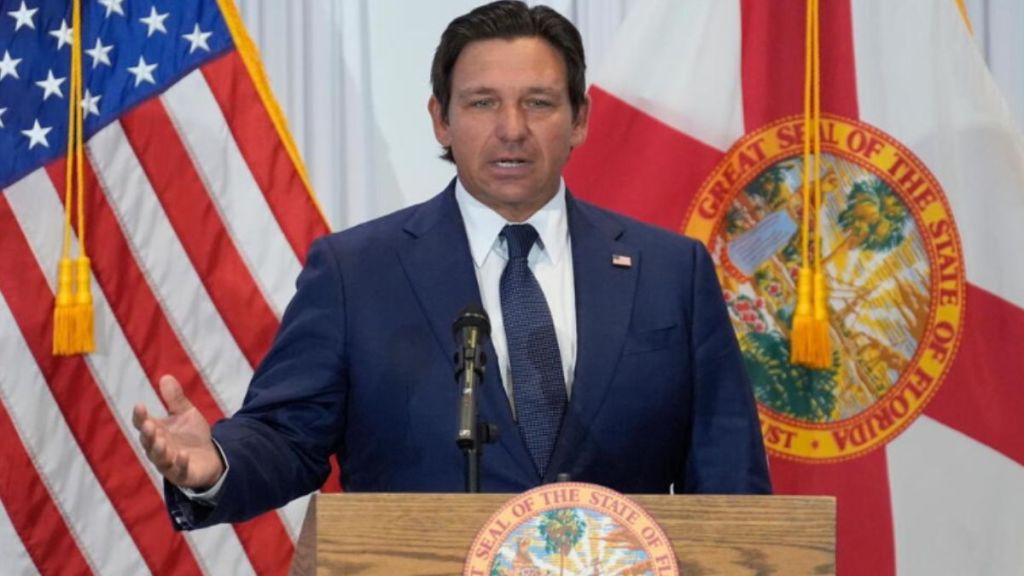

Earlier this week, the Florida Board of Education banned undocumented students from enrolling in career and technical education (CTE) programs as Rule 6A-10.0246 was approved. Marking the reversal of a longstanding practice, the rule change follows Florida’s State University System Board of Governors unanimously blocking students without legal immigration status in the United States from attending the state’s 12 public universities.
Florida bans undocumented migrants from CTE
As another step taken by the state to ensure that only students who are citizens of the country or are legally present in the US may enroll in adult education programs, the ban will likely affect thousands of people. According to the Higher Ed Immigration Portal, about 8,000 students without legal status graduate from Florida high schools each year.
The Department of Education offers CTE programs across middle schools, high schools, district technical colleges, and for Florida College System students. For years, this student-centred approach to teaching and learning has integrated academic, technical, and employability skills to prepare learners for career and college success. This model encompasses a wide range of careers, including information technology, health sciences, STEM fields, manufacturing and human services, among others, and equips participants with valuable skills that help them enter the job market while minimising the need for extensive training on the job.
Critics of similar policies have said in the recent past that the changed rule approved during Wednesday’s Board of Education meeting will severely undermine access to education for students from immigrant families, the state’s local news outlet Tampa Bay Times reported.
Florida’s immigration crackdown expands
Beyond the education system’s latest hit against undocumented immigrants, Florida’s Governor Ron DeSantis has repeatedly taken aim at the H-1B work visa program. Like US President Donald Trump, he has argued that it has been “abused” to replace American workers with “cheap foreign labour.”
Back in March, the Florida Board of Governors approved a yearlong pause on H-1B hiring in state universities. The rule, effective until January 5, 2027, comes after Governor DeSantis pushed the board to “pull the plug” on the work visas in October 2025, as he stressed that US universities were “importing foreign workers on H-1B visas instead of hiring Americans who are qualified and available to do the job.”
According to data released by US Citizenship and Immigration Services (USCIS), UF dominates the H-1B hiring practice among state universities. In FY25, the university approved 253 H-1B visas, followed by Florida State University with the second-largest number of approvals (110). Overall, more than 600 beneficiaries were approved for these visas by the 12 Florida schools last year.
The Department of Labor (and the Trump administration at large) has proposed major overhauls to the H-1B programs. As part of Project Firewall, an enforcement initiative launched in September 2025, the department’s Inspector General Anthony D’Esposito recently confirmed during a televised segment that the crackdown was no longer limited to the technology sector, with the widened scope also putting alleged fraud in healthcare and other industries under scrutiny.
Disclaimer: This article is intended for informational purposes only and is based on publicly available immigration guidance. Rules and deadlines are subject to change; readers should verify current requirements directly with USCIS or consult a qualified immigration attorney before making decisions based on this information. Financial Express is not responsible for any decisions made based on this information.