


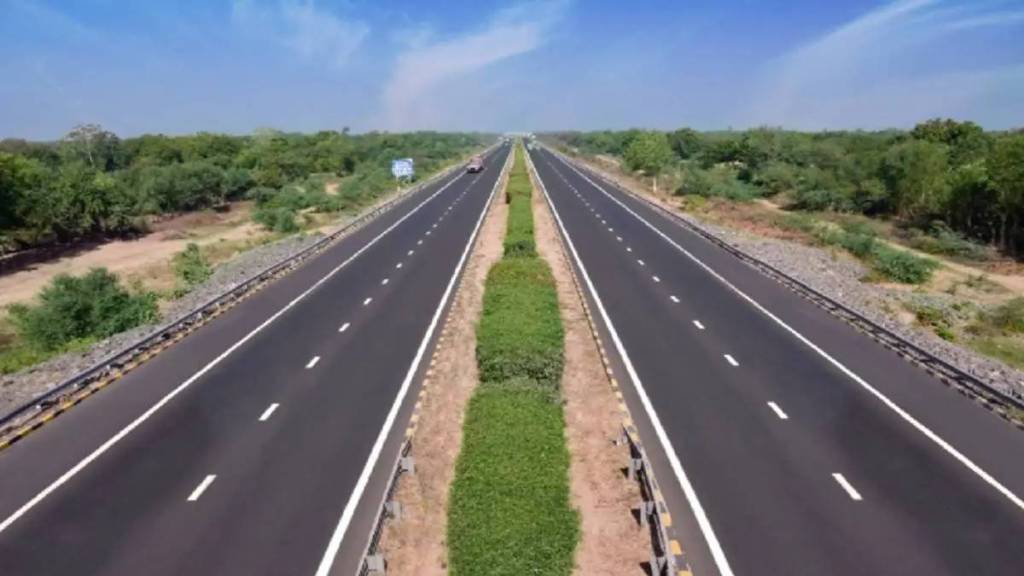

A key stretch of NH-10 in Sikkim is set for an infrastructure upgrade, with ₹993.64 crore approved for the development of the Rangpo-Ranipool section.
The road will be upgraded into a two-lane highway with paved shoulders, along with several structures and safety measures suited to the region’s difficult terrain.
Union Road Transport and Highways Minister Nitin Gadkari announced the approval in a post on X. The project will include tunnels, viaducts, bridges and other structures, along with measures to deal with vulnerable sliding and sinking zones.
📢 Sikkim 🛣️
In Sikkim, we have approved ₹993.64 crore for the development of NH-10 from Rangpo to Ranipool into a 2-lane highway with paved shoulders, including the construction of tunnels, viaducts and treatment of vulnerable sliding and sinking zones.
The project will provide safer, faster and more resilient connectivity to Gangtok and across Sikkim, with tunnels, viaducts, bridges, cut-and-cover sections and comprehensive slope-protection measures suited to the challenging Himalayan terrain.
The upgraded corridor will boost tourism, agriculture, horticulture and the movement of essential goods, while strengthening strategic connectivity for the movement of defence personnel and supplies and contributing to Sikkim’s overall socio-economic development.
#PragatiKaHighway #GatiShakti
@PMOIndia @PSTamangGolay @IndraHangSubba1 @DRThapaBJP @BJP4Sikkim
— Nitin Gadkari (@nitin_gadkari) October 7, 2026
What is planned on the Rangpo-Ranipool stretch?
The project will involve more than just upgrading the existing road. Tunnels and viaducts will be constructed at suitable locations, while bridges and cut-and-cover sections will also form part of the corridor.
The highway will also have paved shoulders. In areas prone to landslides or sinking, comprehensive slope-protection measures will be taken to improve the stability of the road.
These engineering works are particularly important for a highway passing through the Himalayan terrain, where steep slopes and vulnerable sections challenge road construction and maintenance.
Better road access to Gangtok and Sikkim
The upgraded NH-10 corridor is expected to provide safer and faster movement towards Gangtok and other parts of Sikkim. The project is also aimed at making the route more resilient, particularly at sections affected by sliding and sinking.
For motorists and other road users, the development of tunnels, bridges and viaducts will help address difficult sections of the existing route while providing a more robust highway corridor.
NH-10 is also important for moving essential goods into and across Sikkim. Improving the route can therefore support the regular movement of supplies as well as everyday travel.
Tourism and agriculture likely to benefit
The project is expected to support sectors that depend heavily on road transport, including tourism, agriculture and horticulture.
Sikkim attracts tourists throughout the year, while agricultural and horticultural products need dependable road links for transportation. A stronger highway network can make the movement of both people and goods easier across the state.
The improved corridor is also expected to contribute to Sikkim’s wider socio-economic development by strengthening its links with the rest of the region.