


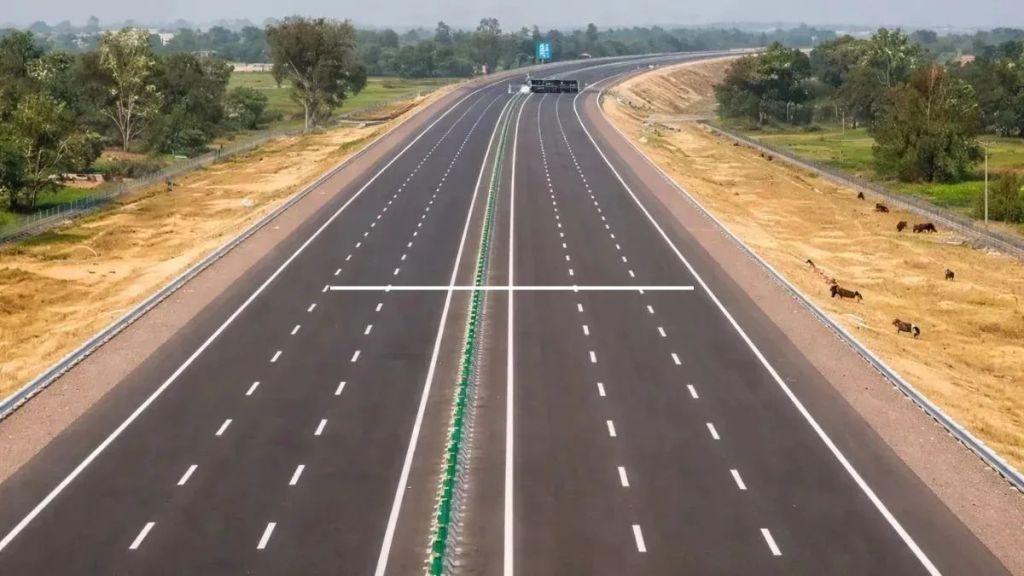

Vehicles travelling through Jaunpur city in Uttar Pradesh could get a smoother route once the proposed four-lane bypass on National Highway 135A is completed.
The new road is planned to provide an alternative route for through-traffic, allowing vehicles to avoid densely populated parts of the city and reducing pressure on existing roads.
The project is also expected to improve access to other national highways in the region, making journeys more convenient for commuters and vehicles travelling between neighbouring areas.
Jaunpur Bypass: Route, length and cost
The upcoming Jaunpur Bypass will be a 29-km-long, four-lane greenfield road on the Jaunpur-Akbarpur section of National Highway 135A in Uttar Pradesh. The project, estimated to cost Rs.1,894 crore, is planned to provide an alternative route around Jaunpur city.
Latest update: MoRTH floats R.980 cr tender for Package I
To take the project forward, MoRTH has invited bids for Package I of the Jaunpur Bypass. The tender covers a 27.56-km stretch from Km 80.220 to Km 107.780 on the Jaunpur-Akbarpur section of NH-135A.
The estimated cost of this package is Rs.980 crore, and the construction work will be executed under the Hybrid Annuity Mode (HAM). The tender was published on October 29, 2026, with November 30 set as the last date for bid submission. The technical bids are scheduled to open on December 1, 2026.
Jaunpur Bypass to improve connectivity with key highways
The proposed bypass is expected to strengthen road links with National Highway 128A, NH-731 and NH-31.
These connections are aimed at improving access to important road corridors around Jaunpur and making travel between different parts of the region more convenient.
Better access to these highways could also support the movement of commercial vehicles and goods, apart from improving road journeys for regular commuters.
How will the bypass ease traffic congestion in Jaunpur?
Traffic congestion in densely populated parts of Jaunpur city is one of the key issues the bypass is intended to address. At present, local traffic and vehicles passing through the city use several of the same busy road stretches.
Once developed and opened to traffic, the bypass will provide an alternative for vehicles travelling through the region.
This could reduce the number of through-vehicles entering the city, ease pressure on existing roads and help improve traffic movement for local commuters.