


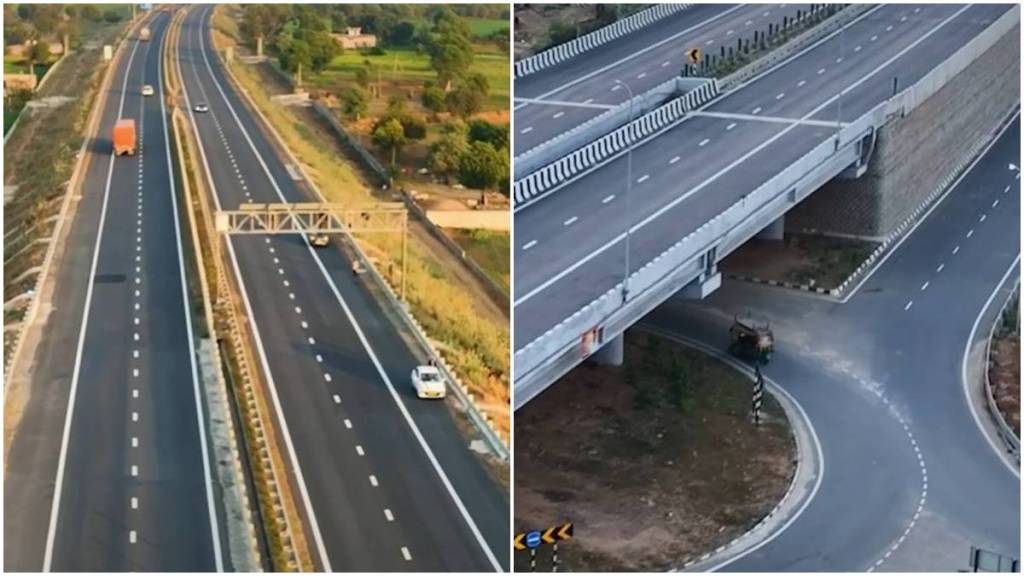

Motorists shuttling between Delhi and Jaipur can use the 67-km Jaipur-Bandikui Expressway, a four-lane, access-controlled corridor interlinking Rajasthan’s capital with the Delhi-Vadodara Expressway network. The National Highways Authority of India (NHAI) has underlined the road’s infrastructure, traffic-monitoring systems and potential benefits for commuters, businesses and farmers.
In a post on X, NHAI stated the expressway is designed to support “faster freight movement, smoother daily commutes, and improved access to Jaipur’s market and logistics hubs.”
The authority also shared a video detailing the corridor’s construction, safety arrangements and measures taken to manage local access and wildlife-related concerns.
Jaipur-Bandikui Expressway: How does it connect Delhi and Jaipur?
The approximately 67 km greenfield expressway connects Jaipur to the Delhi-Vadodara corridor near Bandikui in Rajasthan’s Dausa district. As an access-controlled road, it allows vehicles to enter and exit through designated interchanges, lessening the interruptions from nearby roads.
The link also provides an alternative to sections of the existing Delhi-Jaipur road network.
What infrastructure has NHAI developed?
As per the NHAI’s latest update, the expressway comprises several structures to support traffic movement and connectivity.
Key features of the Jaipur-Bandikui Expresswaysmall vehicular underpasses
67 km: Four-lane, access-controlled greenfield corridor
29 underpasses: 11 vehicular and 18 small vehicular underpasses.
6 interchanges: Connections for vehicles entering and exiting the expressway
Bridges: One railway overbridge, two major bridges and six minor bridges
NHAI stated that these structures aim to support efficient traffic flow and enhance connectivity across the region.
What safety features should motorists know about?
NHAI underlined several technology-based management arrangements. Camera surveillance has been provided at approximately one-kilometre intervals, whereas speed-monitoring cameras are also placed at intervals of around 10-15 km.
Variable message signboards have also been installed at approximately 10-km intervals. The authority further highlighted round-the-clock monitoring to support traffic management and road safety. These systems aim to help monitor vehicle movement, identify traffic-related issues and communicate important information to motorists.
How were wildlife and construction challenges addressed?
The video pointed out the challenges faced during the construction near the Jamwa Ramgarh wildlife area. As per the NHAI, the height of 10 structures was raised from three metres to five metres following permission from the wildlife department.
Near Pagarana village, the authority stated that 265 structures were removed with support from the administration and police to facilitate construction of an interchange.
How could the expressway benefit farmers and businesses?
NHAI also mentioned that the corridor has strengthened road access to Jaipur’s commercial centres and logistics hubs. Potential benefits for farmers in Dausa, Alwar, Karauli and surrounding areas because of improved connectivity with larger markets, including Delhi.
For freight operators, the expressway offers connectivity between Jaipur and the wider expressway network. Motorists planning to use the corridor should check their entry and exit points, applicable toll charges and prevailing traffic conditions.