


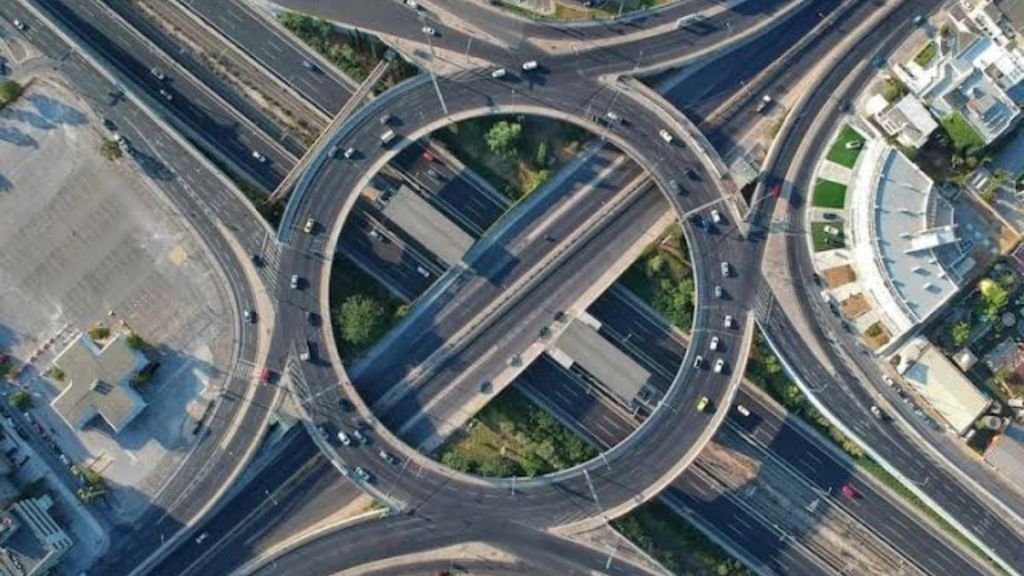

The Amaravati region in Andhra Pradesh is set to see a major expansion of its road network with a new outer ring road planned around the capital region.
The six-lane access-controlled road is expected to provide an alternative route for traffic travelling through the area and improve connections between Amaravati, Vijayawada, Guntur and Tenali.
The project is also planned to improve links with major highways, Vijayawada Airport and important economic centres in the region.
As work on different parts of the project moves forward, the road is now entering another important stage.
NHAI floats 3 tenders worth Rs 8,668 cr for project
The National Highways Authority of India (NHAI) today floated three tenders for construction of different sections of the Amaravati Outer Ring Road. The three packages have a combined tender value of around Rs 8,668 crore.
The tenders were opened on October 2, 2026, and the last date for submitting bids is November 18, 2026. All three sections will be developed under the Hybrid Annuity Mode (HAM).
| Package | Section | Tender value |
| Package 1 | Kanchikacherla to Nandigama | Rs 2,975 crore |
| Package 2 | Nandigama to Davuluru | Rs 2,864 crore |
| Package 3 | Kolavennu to Korneypadu, including Narakoduru spur | Rs 2,827 crore |
The third package also includes a 5.3-km Narakoduru spur. The fresh tenders cover a substantial part of the planned ORR and mark further progress on the project.
Amaravati Outer Ring Road – All you need to know
The Amaravati Outer Ring Road is being developed as a greenfield, six-lane and access-controlled road around the Amaravati region.
The main ORR is around 189.93 km long, while the wider project, including the planned spur sections, is around 195.13 km.
The road is planned to improve connectivity around Amaravati, Vijayawada, Guntur and Tenali, while providing an alternative route for vehicles travelling through the region.
The project is also expected to help move through-traffic away from busy urban roads and improve links with major highways and other important destinations.
How the ORR will help traffic
One of the key aims of the ring road is to take through-traffic away from urban areas.
Traffic travelling between different parts of the region will have an alternative route around the main built-up areas instead of passing through city roads. This is expected to reduce traffic pressure and make longer-distance journeys more direct.
The Ministry of Road Transport and Highways has said the project could help reduce travel time by around 30–40%, based on its assessment.
Better connectivity to airport, highways and ports
The Amaravati ORR is also being planned to improve connections with other major transport infrastructure in the region.
According to the government, the project will have dedicated interchanges providing access to Vijayawada Airport. It will also connect with several national highways and other important roads.
The government has highlighted the potential for better road links between Machilipatnam and Krishnapatnam ports and inland urban and industrial centres.
The project has also been planned with scope for future rapid-transit integration.
What the project means for the Amaravati region
Beyond easing traffic on existing roads, the ORR is expected to support the movement of people and goods across the wider Amaravati region.
By creating a separate route around the main urban areas, the road can provide better access between different parts of the region without requiring all long-distance traffic to pass through city roads.
Its planned connections with highways, the airport and ports are also expected to strengthen links between Amaravati and nearby economic centres.
The government has estimated that the project could improve travel efficiency across the region, while its access-controlled design is intended to support smoother movement on the main corridor.