


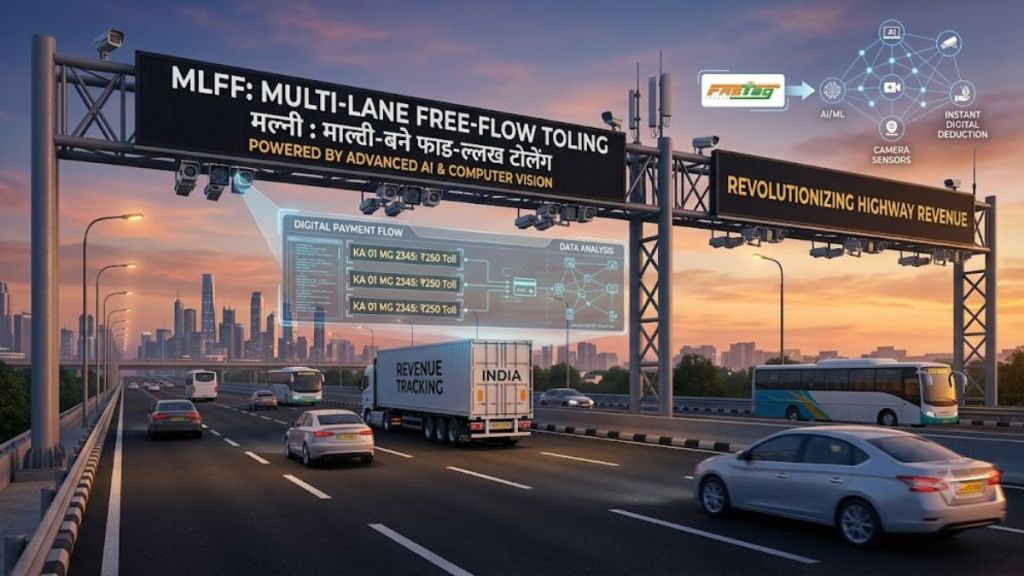

Road safety and traffic management on National Highways in Karnataka and Andhra Pradesh are set to get a technology upgrade.
The government has approved the installation of Advanced Traffic Management Systems (ATMS) across 4,285 km of highways in the two states, with a total investment of ₹927 crore.
Union Minister for Road Transport and Highways Nitin Gadkari shared this update on X, highlighting the government’s efforts to make National Highways safer and improve traffic management through technology.
The initiative aims to improve highway monitoring, help detect road incidents faster and support quicker emergency response.
AI-powered cameras to monitor highway traffic round the clock
The proposed ATMS will include Pan-Tilt-Zoom (PTZ) cameras for 24×7 surveillance of highway stretches. These cameras will help authorities monitor traffic conditions and keep track of incidents on the roads.
The system will also use AI-enabled Video Incident Detection and Enforcement Systems (VIDES). This technology will help identify road incidents and support enforcement activities, allowing authorities to respond to potential safety issues more efficiently.
Real-time alerts on speed, accidents and weather conditions
The ATMS will also include radar-based speed display systems (VASD) and Variable Message Signs (VMS). These facilities will provide motorists with important information about road conditions and traffic movement.
The digital message boards will display real-time alerts related to accidents, weather conditions and traffic diversions. Radar-based speed displays will help motorists remain aware of their vehicle speeds while driving along these highway stretches.
Such information can help drivers make timely decisions, particularly during adverse weather conditions, traffic disruptions or emergencies.
Integrated command centres for faster emergency response
Another important feature of the system will be integrated command centres, which will coordinate highway monitoring and traffic management.
These centres will bring together information collected through cameras, incident detection systems and other monitoring equipment. This will help authorities track road conditions, identify emergencies and coordinate responses more quickly.