


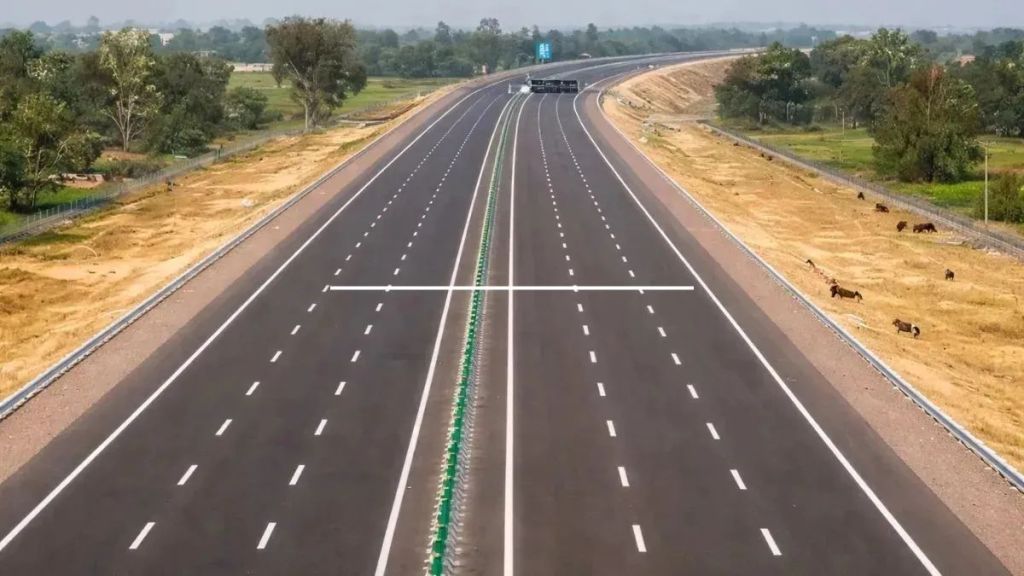

Road connectivity in Rajasthan is set to improve with the upgradation of a stretch of National Highway-25.
Union Minister for Road Transport and Highways Nitin Gadkari shared details of the project in a post on X, stating that the 19.22-km stretch will be upgraded to four lanes at a cost of ₹485.88 crore.
The project is expected to improve traffic movement, make road travel safer and provide better access to key industrial and commercial areas in the region.
It will also strengthen links with major highways and freight corridors, supporting the movement of goods.
NH-25 upgradation: Route, length and cost
The project covers a 19.22-km section of NH-25, starting from Pachpadra Bypass and ending at Patau Interchange in Balotra district. The existing road will be upgraded to four-lane standards at a cost of ₹485.88 crore.
The upgraded highway will also include grade-separated structures, or multi-level road structures, at major intersections.
These are designed to allow traffic to move more smoothly by reducing conflicts between vehicles crossing or joining the highway.
Better traffic flow and safer road travel
The four-laning of this section is expected to improve traffic flow and reduce congestion, particularly as vehicle movement in the region increases in the coming years.
Grade-separated structures at important junctions will help minimise traffic bottlenecks and make movement along the highway more convenient.
For road users, the improved infrastructure is expected to bring better travel quality, save time and reduce vehicle operating costs.
The upgraded road will also improve safety by providing better road infrastructure for vehicles travelling along this stretch.
Improved access to refinery and industrial areas
The project is also important for industrial connectivity in the region. The upgraded stretch will connect with National Highway-754A, which links to the Amritsar-Jamnagar Expressway, at Patau Interchange.
This connection will improve access to the HPCL Pachpadra Refinery, RIICO industrial areas and regional markets. It will also strengthen links with major freight routes, including the Western Dedicated Freight Corridor (WDFC).
With improved highway connectivity, the transportation of minerals, industrial products and other goods is expected to become more efficient. This could support industrial activity in the region while making it easier for businesses to move goods to markets and freight networks.