



Indian Railways has deployed an artificial intelligence-based system to speed up freight wagon inspections and strengthen the monitoring of doors, locks and seals on goods trains, reported The Indian Express.
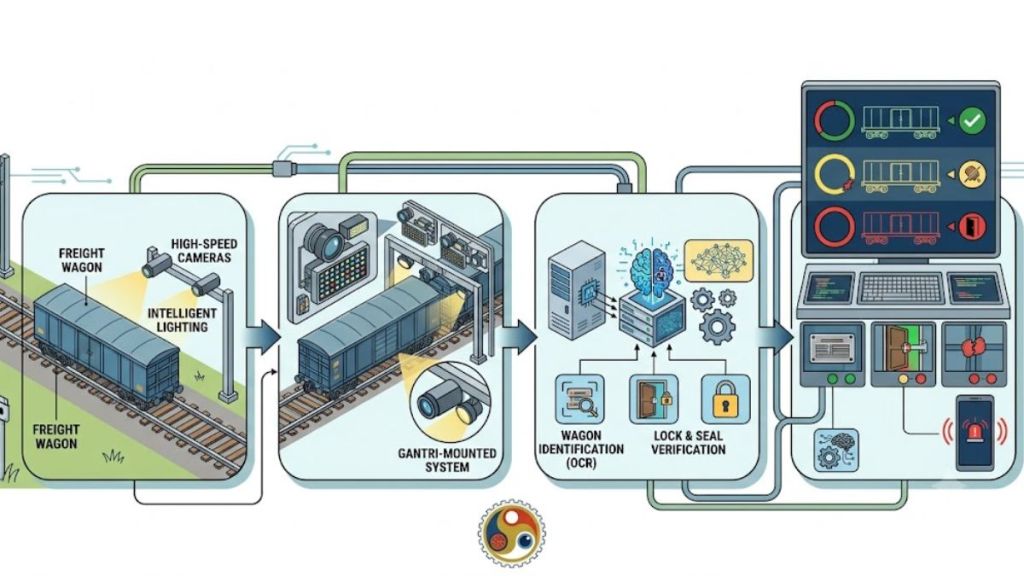
Developed by Northeast Frontier Railway (NFR) in collaboration with IIT Guwahati, Project DRISHTI combines AI, high-speed cameras, intelligent lighting and secure communication networks to inspect freight wagons as trains pass through designated monitoring points.
What is Project DRISHTI?
The system is designed to capture and analyse images of freight wagons in motion. It can identify wagon numbers and examine whether doors, locks and seals are properly secured.
According to Kapinjal Kishore Sharma, Chief Public Relations Officer of NFR, the technology is intended to automate a task that has traditionally depended heavily on physical inspection by railway staff.
As wagons pass through a monitoring point, cameras record the relevant portions of each wagon. The AI system then processes the images to identify the condition of doors, locks and seals. Inspection results can also be stored digitally, enabling railway personnel to review information and flag possible irregularities.
Why AI-based freight inspection matters
Freight trains transport essential commodities as well as raw materials and finished goods used by industries, agriculture and supply chains. Ensuring that wagon doors remain closed and seals and locks are intact is an important part of protecting consignments during transit.
For NFR, which operates across areas with difficult terrain and challenging weather conditions, freight movement is particularly important. Manual inspection of wagons can also become more difficult at night or when visibility and weather conditions are poor.
Project DRISHTI is aimed at making these checks faster and more consistent by reducing the need for railway staff to inspect every wagon manually.
How it could support frontline railway staff
The system is expected to assist personnel involved in freight monitoring, including railway protection and commercial teams. Faster identification of a damaged seal, unsecured door or other irregularity could allow the issue to be examined sooner and help avoid unnecessary delays in freight movement.
“The technology-enabled monitoring is expected to help safeguard consignments, reduce delays and facilitate the work of frontline railway personnel, including RPF and commercial staff. By enabling faster identification of possible irregularities, the system is expected to strengthen freight monitoring while reducing the dependence on manual inspection alone,” Sharma said, reported The Indian Express.
By digitising the inspection process, Project DRISHTI could also create a more consistent record of wagon-condition checks and provide railway personnel with information that can be acted upon more quickly.
The NFR-IIT Guwahati initiative is part of the Railways’ wider use of technology to improve freight operations, with the focus on quicker inspections, stronger monitoring and more efficient handling of goods traffic.